What This Document Is
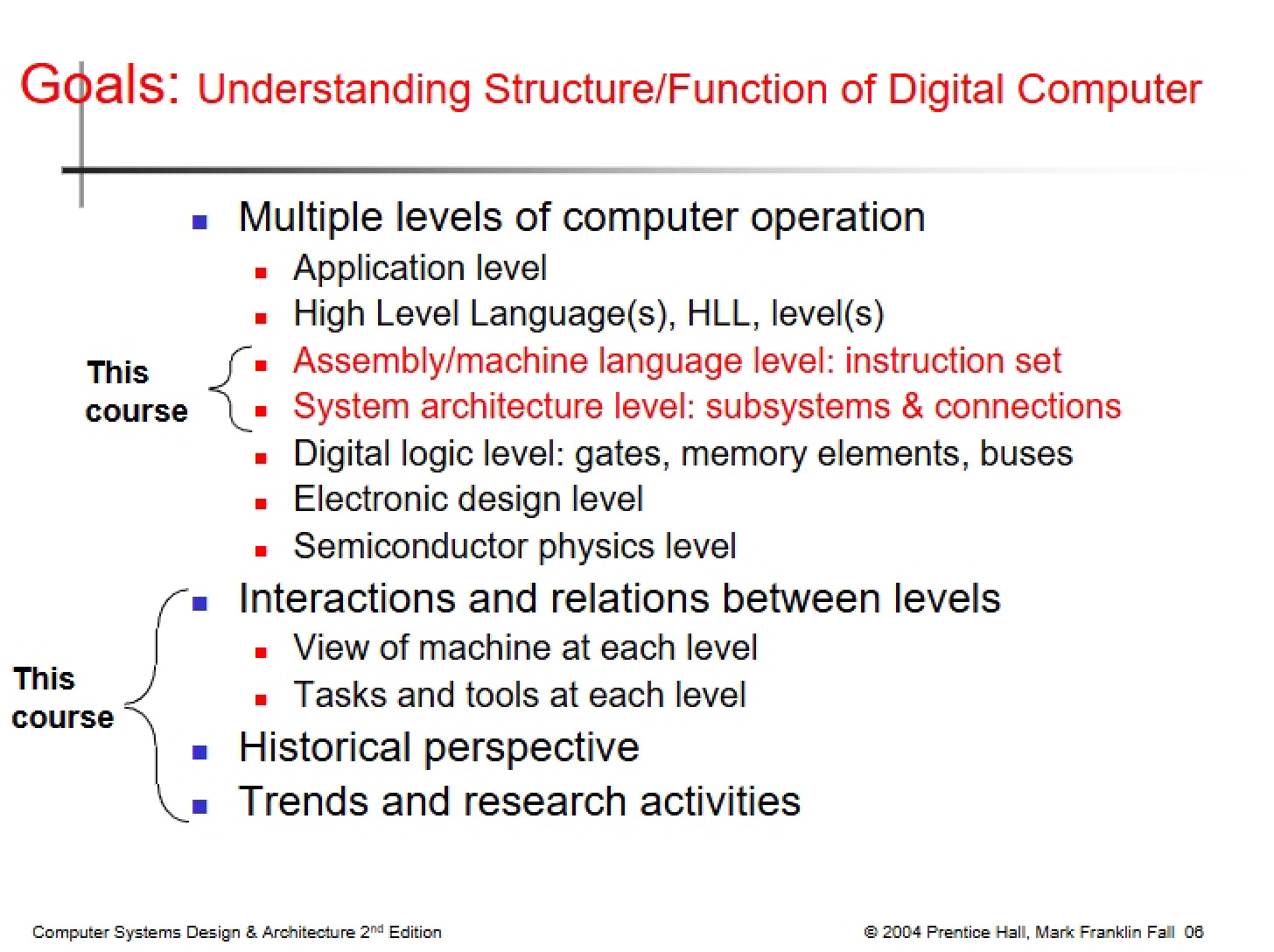
This document serves as an introductory overview for CSE 362M: Digital Computers II: Architecture, a course offered at Washington University in St. Louis. It’s essentially a syllabus and foundational guide, outlining the core concepts and trajectory of the course. It delves into the fundamental principles underpinning how computers are designed and operate, moving beyond basic functionality to explore the architectural decisions that impact performance and efficiency. The material bridges the gap between software and hardware, examining the interplay between them.
Why This Document Matters
This resource is invaluable for prospective students considering enrollment in the course, as well as those who have registered and want a clear roadmap of the topics covered. It’s particularly helpful for students with a background in computer science or electrical engineering who are looking to specialize in computer architecture. Understanding the course structure and key themes beforehand will allow you to prepare effectively and identify areas where you might need to strengthen your foundational knowledge. It’s also useful for anyone seeking a high-level understanding of the core components and design considerations within modern computing systems.
Common Limitations or Challenges
This document provides a broad overview of the course’s scope and objectives. It does *not* contain the detailed lecture notes, specific problem sets, or in-depth explanations of the concepts. It won’t provide solutions to practice problems or a complete walkthrough of the design projects. Access to the full document is required to gain a comprehensive understanding of the course material and successfully complete assignments. It also doesn’t cover the specifics of the VHDL components or assembly language programming exercises.
What This Document Provides
* An outline of the fundamental questions driving the study of computer architecture.
* A categorization of essential computer components and their roles.
* An overview of key architectural concepts, including instruction set design and memory hierarchies.
* An introduction to performance evaluation techniques and models.
* A preview of topics related to improving performance through pipelining and parallelism.
* A glimpse into the exploration of system-level considerations like mass storage and error correction.
* An introduction to Amdahl’s Law and its implications for parallel processing.