What This Document Is
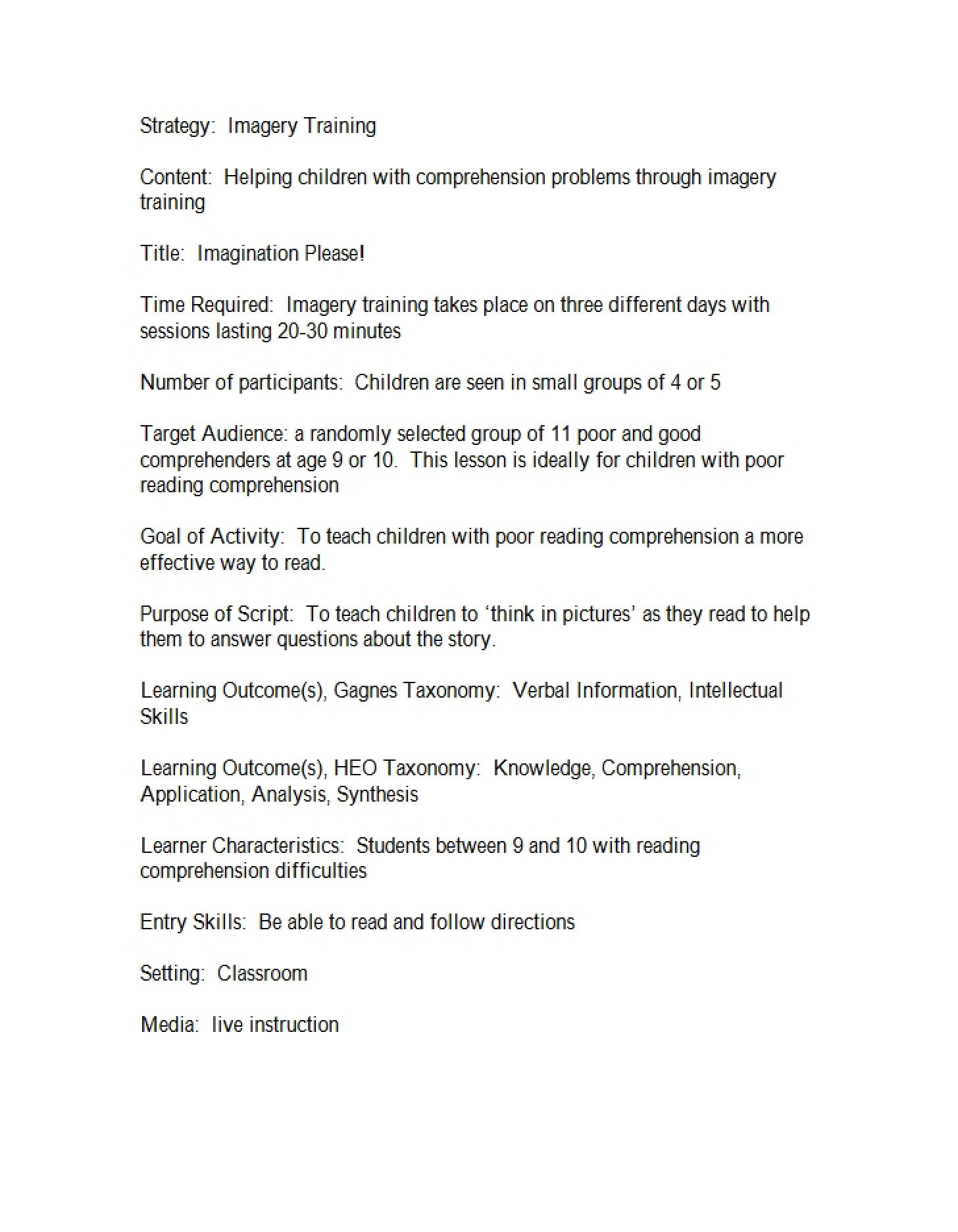
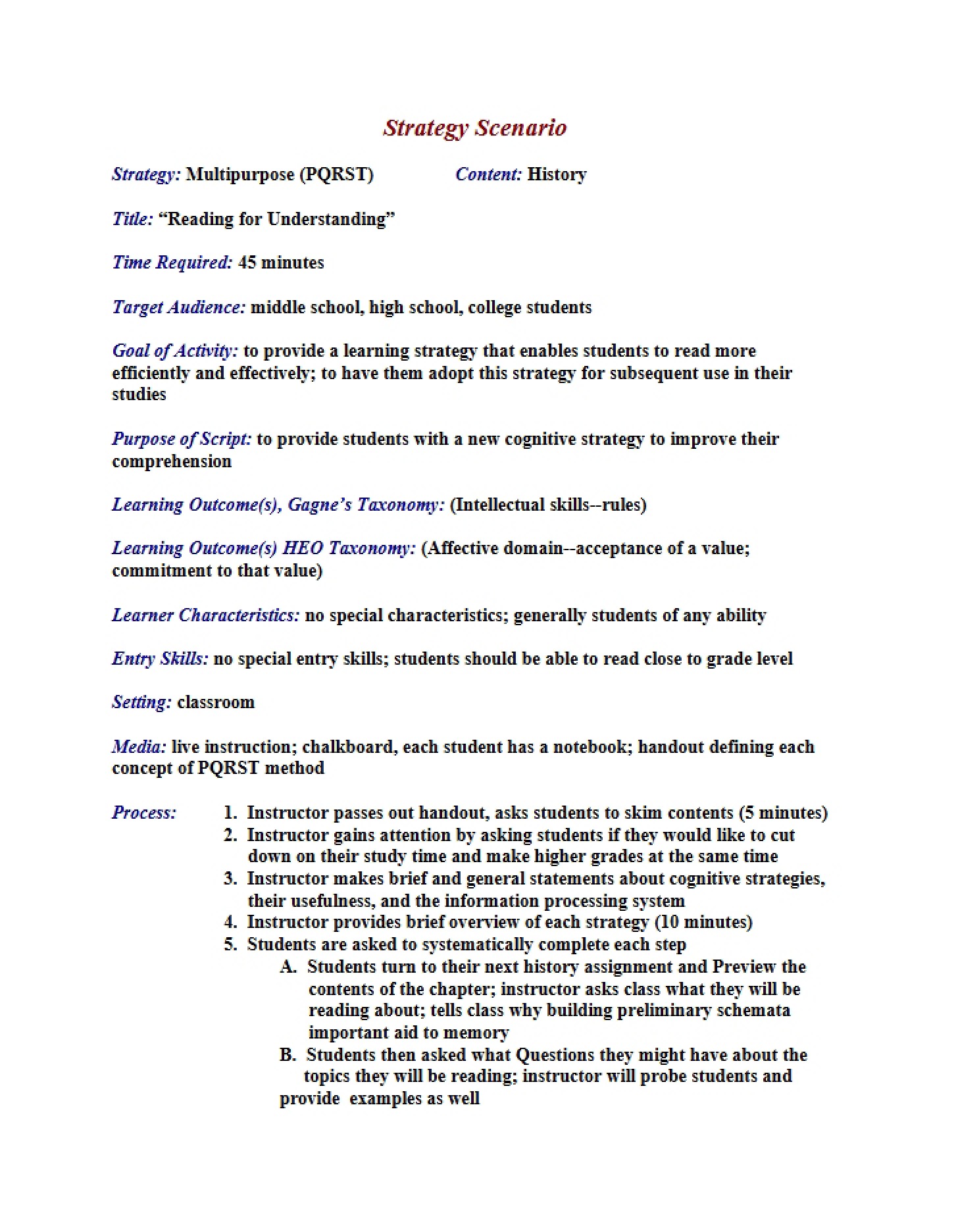
This is a detailed scenario outlining the application of a specific instructional strategy – Imagery – within a preschool learning environment. It’s a practical case study developed for students in an Instructional Systems Design course, focusing on how to facilitate learning for very young children. The scenario centers around preparing students for a real-world experience, and demonstrates a focused approach to achieving a defined learning objective. It’s presented as a complete, self-contained instructional plan created by a fellow student, Ken Gates, as part of his coursework.
Why This Document Matters
This resource is ideal for students studying instructional design, early childhood education, or anyone interested in applying cognitive principles to learning. It’s particularly valuable when you need to see a strategy implemented in a concrete situation, rather than just learning about it in theory. Aspiring instructional designers can analyze this scenario to understand how to select appropriate strategies based on learner characteristics, define measurable goals, and consider the learning environment. It’s also helpful for educators seeking inspiration for engaging preschool activities.
Common Limitations or Challenges
This scenario provides a single, focused example. It does *not* offer a comprehensive overview of all imagery techniques, nor does it explore alternative strategies for the same learning goal. The scenario is tailored to a very specific age group and context – two and three-year-old preschool students – and may require significant adaptation for other learners. It also doesn’t include detailed assessment *results*, only the proposed assessment methods. Access to the full document is required to understand the complete implementation details.
What This Document Provides
* A clearly defined learning goal appropriate for preschool-aged children.
* Identification of relevant learning theories (Gagne’s Intellectual Skills & Bloom’s Taxonomy) informing the strategy.
* A description of the target audience and their existing knowledge/skills.
* Details regarding the learning setting and necessary media.
* A proposed plan for implementing the chosen instructional strategy over multiple days.
* Suggested methods for assessing the effectiveness of the strategy.
* A list of references used to inform the instructional design.