What This Document Is
This is a problem set key designed to reinforce understanding of core principles in population genetics and evolutionary biology. Specifically, it focuses on applying mathematical equations to analyze allele and genotype frequencies within a population. It’s geared towards students in an upper-level Ecology and Evolution Laboratory course, building on concepts typically introduced in lectures. The material centers around Hardy-Weinberg equilibrium and scenarios where equilibrium conditions are not met.
Why This Document Matters
Students enrolled in BIOL 301L at the University of South Carolina will find this resource particularly helpful when reviewing concepts related to microevolution. It’s ideal for self-assessment after completing related assignments or preparing for quizzes and exams. Individuals who struggle with translating theoretical population genetics principles into practical calculations will benefit from working through the detailed solutions. This key can help identify areas where further study is needed and solidify a strong foundation for more advanced topics in evolutionary biology.
Common Limitations or Challenges
This resource is a *key* to a problem set – it doesn’t provide the original problems themselves. Therefore, it’s most effective when used in conjunction with the original assignment. It assumes a base level of understanding of population genetics terminology and the underlying principles of Hardy-Weinberg equilibrium. It does not offer extensive conceptual explanations *beyond* what is needed to understand the solutions presented. It focuses on applying existing formulas rather than deriving them.
What This Document Provides
* Detailed walkthroughs addressing scenarios involving allele and genotype frequency calculations.
* Applications of key equations related to population genetics, including those for equilibrium and non-equilibrium conditions.
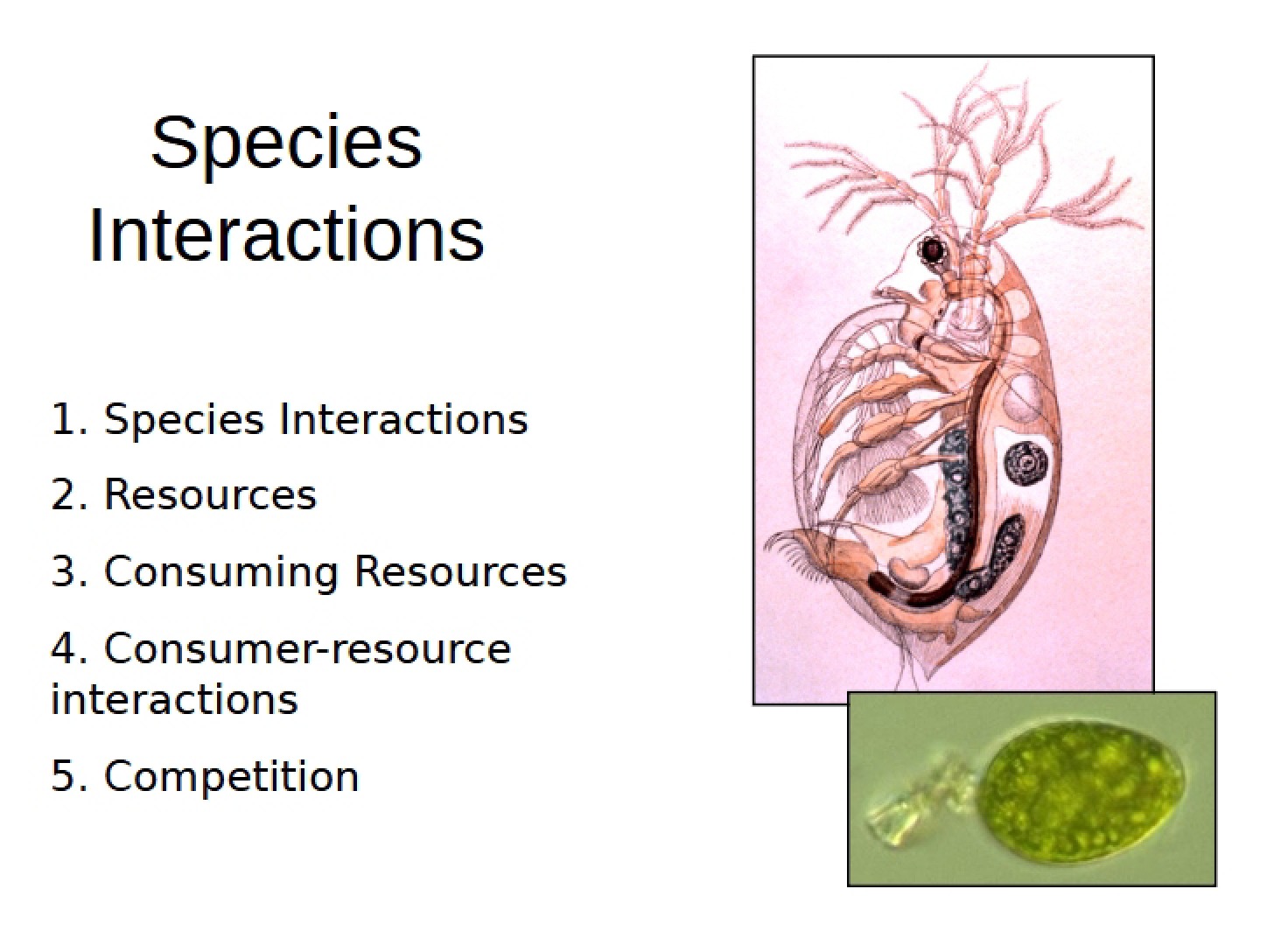
* Illustrative examples using hypothetical populations of organisms (like *Daphnia* and dragonflies).
* Clarification on interpreting the relationship between genotype frequencies and allele frequencies.
* Step-by-step reasoning for solving problems involving selection pressures and their impact on genetic variation.
* Guidance on applying the Hardy-Weinberg principle to determine genotype and allele frequencies from observed phenotypic data.