What This Document Is
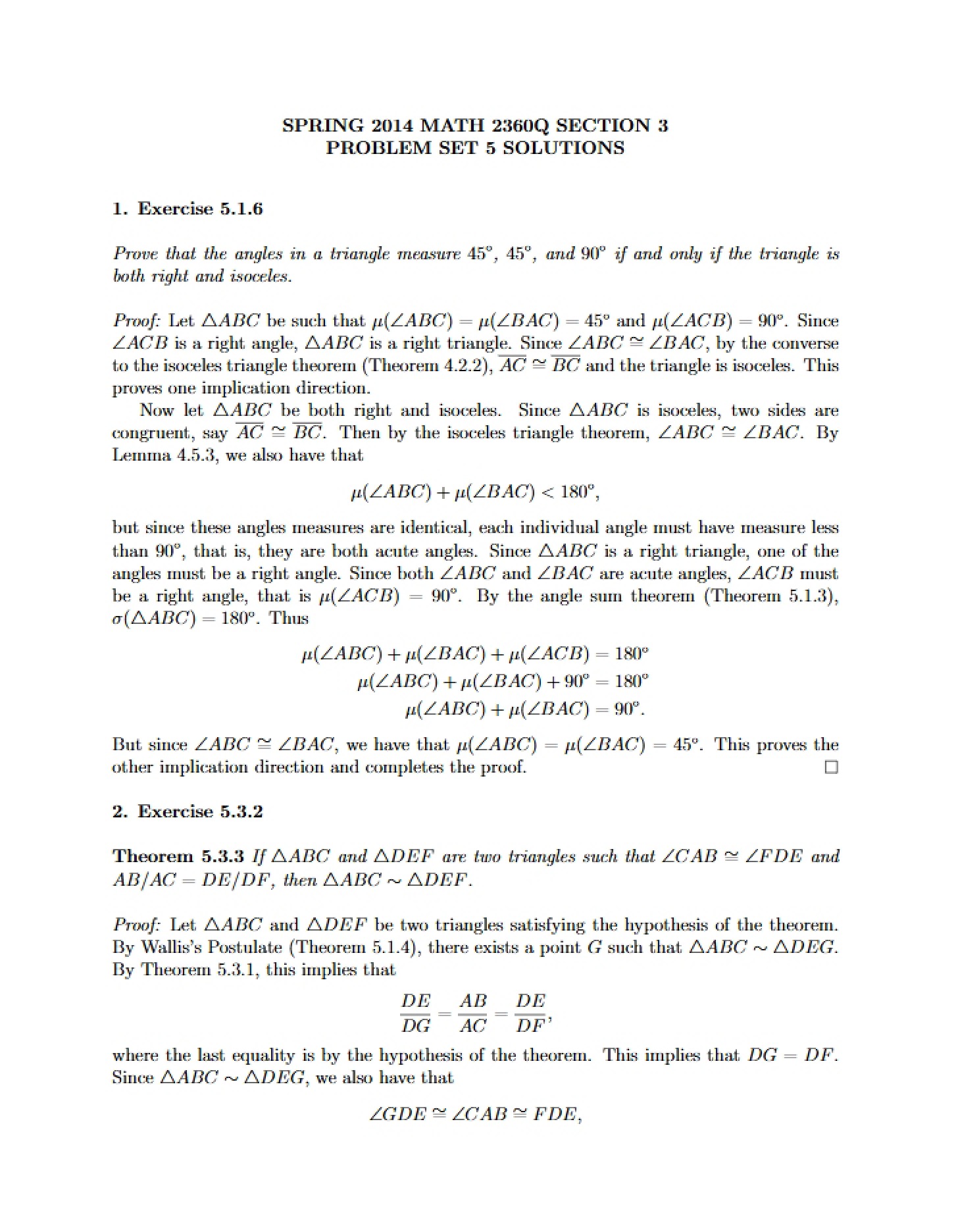
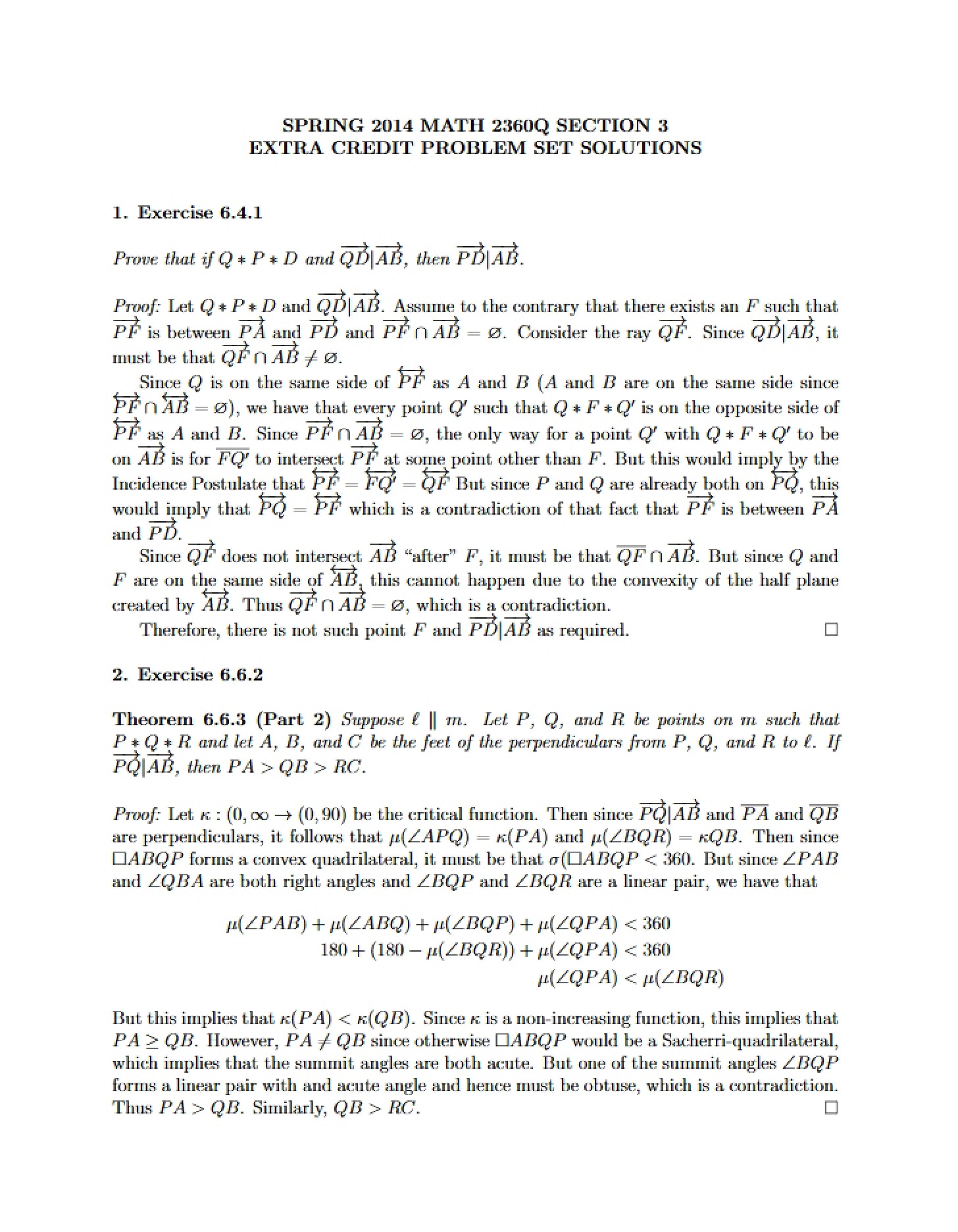
This document is a key for Midterm Exam 1 for MATH 2360Q, a Geometry course at the University of Connecticut, offered in Spring 2014. It’s designed to reflect the scope and style of questions students can expect on the exam, covering both in-class and take-home portions. The key provides insight into the types of geometric reasoning and proof-writing skills assessed in the course.
Why This Document Matters
This resource is invaluable for students currently enrolled in or preparing for a similar Geometry course. It’s particularly helpful for those wanting to understand the level of rigor expected, the types of problems emphasized, and the specific areas of focus for the first midterm. Reviewing this key can help you identify strengths and weaknesses in your understanding of foundational geometric principles *before* taking a graded assessment. It’s best used as a study aid alongside your textbook, notes, and completed assignments.
Topics Covered
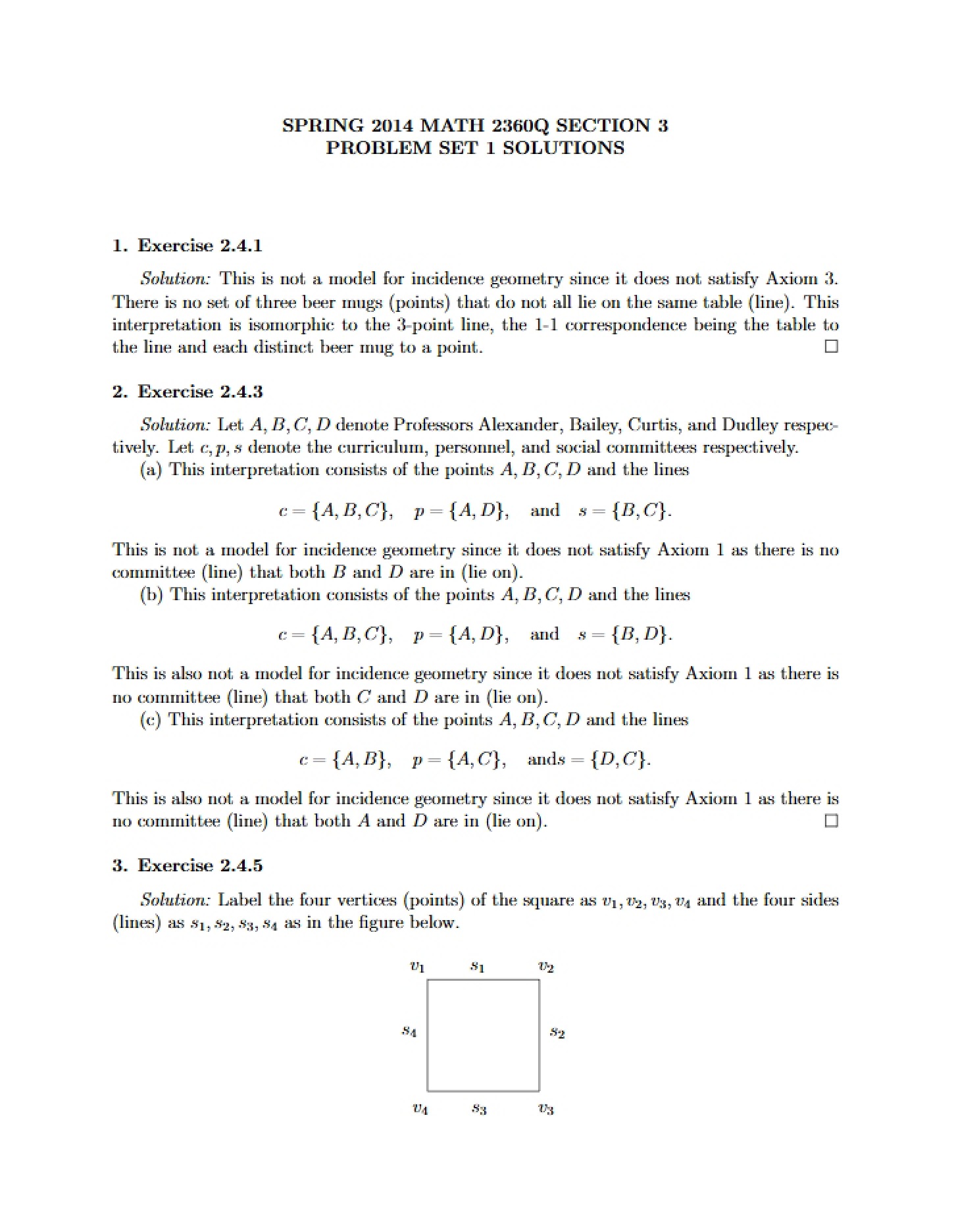
* Incidence Geometry – foundational axioms and their applications
* Logical Reasoning – statement forms, hypothesis, and conclusions
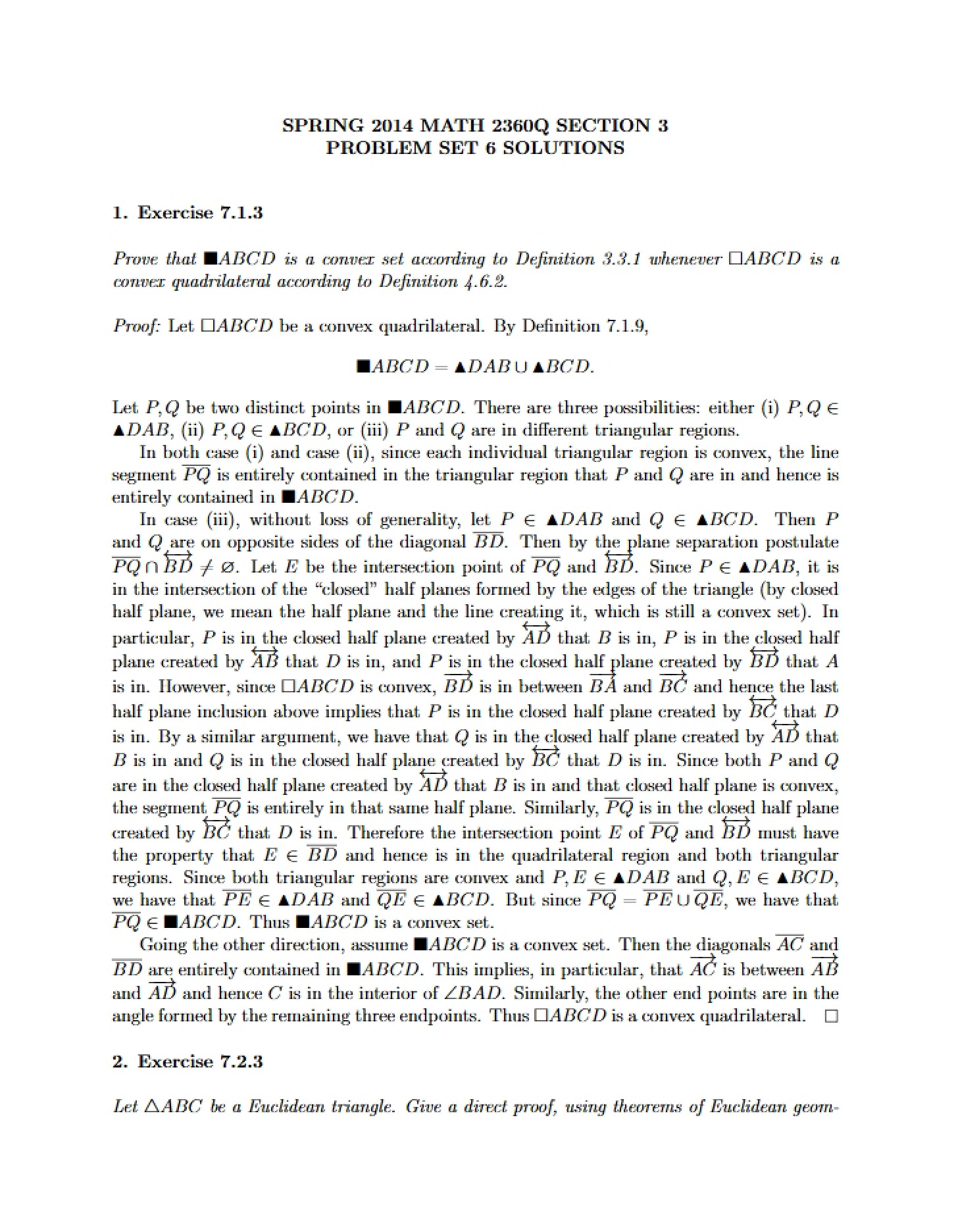
* Geometric Proofs – constructing logical arguments to demonstrate geometric truths
* Neutral Geometry – the core axioms without a specific parallel postulate
* Axiomatic Systems – understanding the building blocks of geometric systems
* Geometric Relationships – exploring connections between points, lines, and planes
What This Document Provides
* A representative set of exam questions, divided into in-class and take-home sections.
* Illustrative examples of the types of diagrams expected for geometric constructions.
* Exploration of fundamental geometric postulates and their implications.
* A framework for understanding how to approach geometric proofs.
* A connection between logical statements and their geometric interpretations.
* A glimpse into the expectations for demonstrating understanding of geometric axioms.