What This Document Is
This document represents a lecture from the Statistics for Engineers (EE 517) course at the University of Southern California, specifically Lecture 03 delivered on January 30, 2015. It delves into the foundational principles of probability and random variables, building upon earlier concepts in the course. The lecture focuses on theoretical underpinnings and mathematical properties related to probability distributions, setting the stage for more complex statistical analysis used in engineering applications. It’s a core component of understanding statistical modeling and inference.
Why This Document Matters
This lecture is crucial for engineering students who need a solid grasp of probability to analyze random phenomena inherent in their fields. Students in electrical engineering, computer engineering, and related disciplines will find this material particularly relevant. It’s best utilized *during* the course, alongside attendance in lectures and completion of associated homework assignments. Reviewing this material before exams or when tackling projects involving uncertainty and data analysis will also prove highly beneficial. A strong understanding of these concepts is essential for success in subsequent statistics courses and real-world engineering problem-solving.
Common Limitations or Challenges
This lecture provides a theoretical framework and does not include step-by-step solutions to practical engineering problems. It assumes a foundational understanding of calculus and basic probability concepts. While the lecture establishes key theorems and properties, it doesn’t offer extensive computational examples or software implementations. It’s important to note that this is a single lecture within a larger course; therefore, it builds upon previously covered material and anticipates future topics. Access to the full lecture content is required for a complete understanding.
What This Document Provides
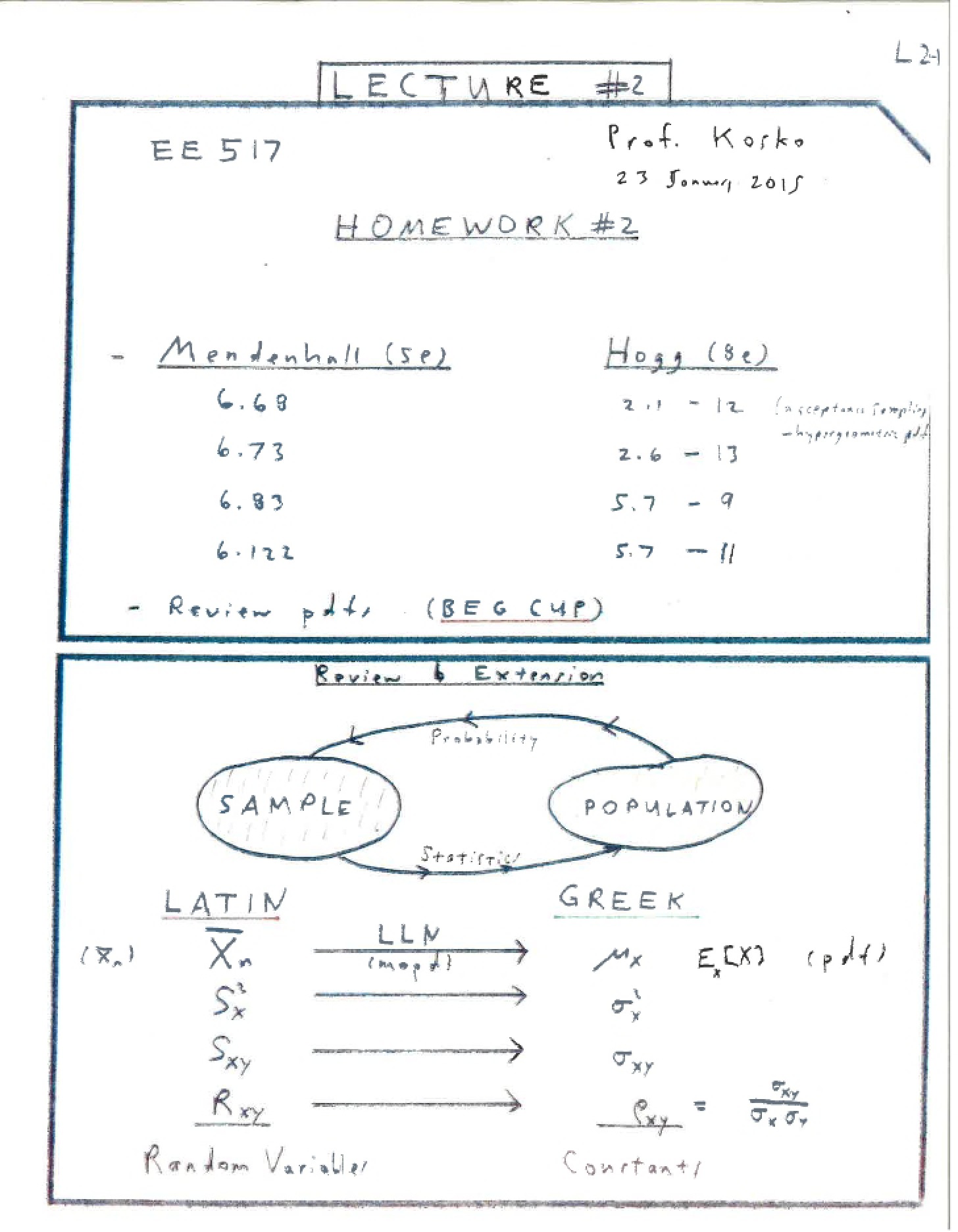
* An exploration of fundamental concepts related to random sampling.
* Discussion of probability density functions (pdfs), specifically the Gamma pdf.
* Examination of key properties of random variables, including expected value and variance.
* Presentation of theorems concerning the behavior of sums of independent random variables.
* Introduction to the moment generating function (MGF) and its applications.
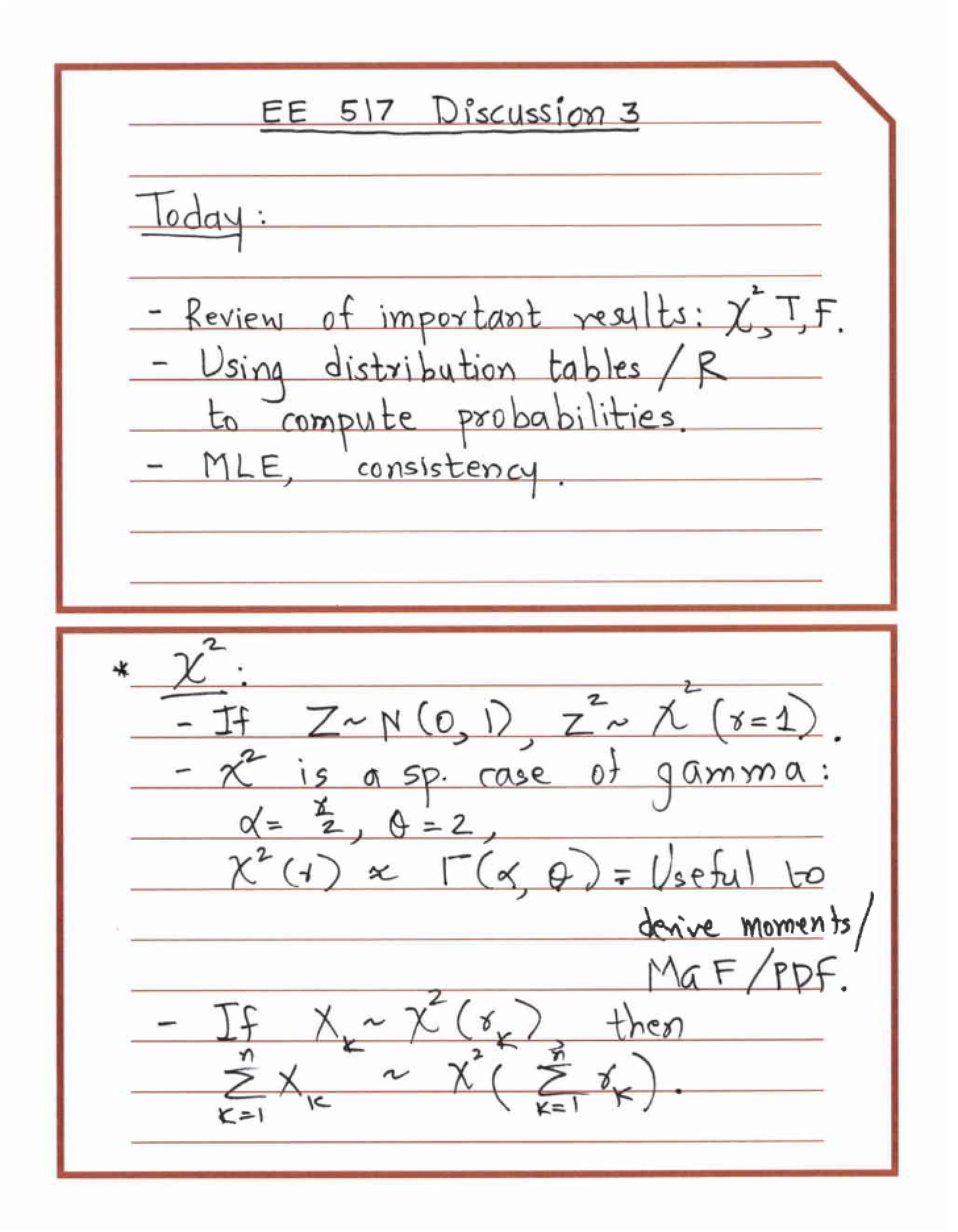
* Discussion of specific probability distributions, including Chi-Square.
* Tables for quick reference of distribution values.