What This Document Is
This lecture material delves into the complex relationship between sea level fluctuations and sedimentary processes, illustrated through a case study focused on the geological formations of New Zealand. Specifically, it explores how changes in sea level impact sedimentation patterns and the development of various sedimentary environments, with a particular emphasis on carbonate systems. The lecture connects theoretical concepts of sedimentary petrology with real-world observations from a field-based study.
Why This Document Matters
This resource is ideal for students enrolled in advanced sedimentary geology or petrology courses. It’s particularly beneficial for those seeking to understand how large-scale geological events, like sea level changes, influence the formation and characteristics of sedimentary rocks. Students preparing for fieldwork or those interested in paleoenvironmental reconstruction will find the New Zealand case study especially valuable. It’s best utilized *alongside* core course textbooks and after foundational concepts of sedimentary facies and sea level curves have been established.
Common Limitations or Challenges
This lecture provides a focused exploration of a specific geographic location and its sedimentary history. It does not offer a comprehensive overview of all sea level change events throughout Earth’s history, nor does it cover every type of sedimentary environment. The material assumes a pre-existing understanding of basic geological principles and sedimentary terminology. Detailed analytical data and specific methodologies used in the New Zealand study are not fully presented here – access to the full lecture is required for that level of detail.
What This Document Provides
* An examination of the interplay between tectonic settings, stratigraphy, and sea level change.
* Discussion of different sedimentary rock types found in a specific geological setting (New Zealand).
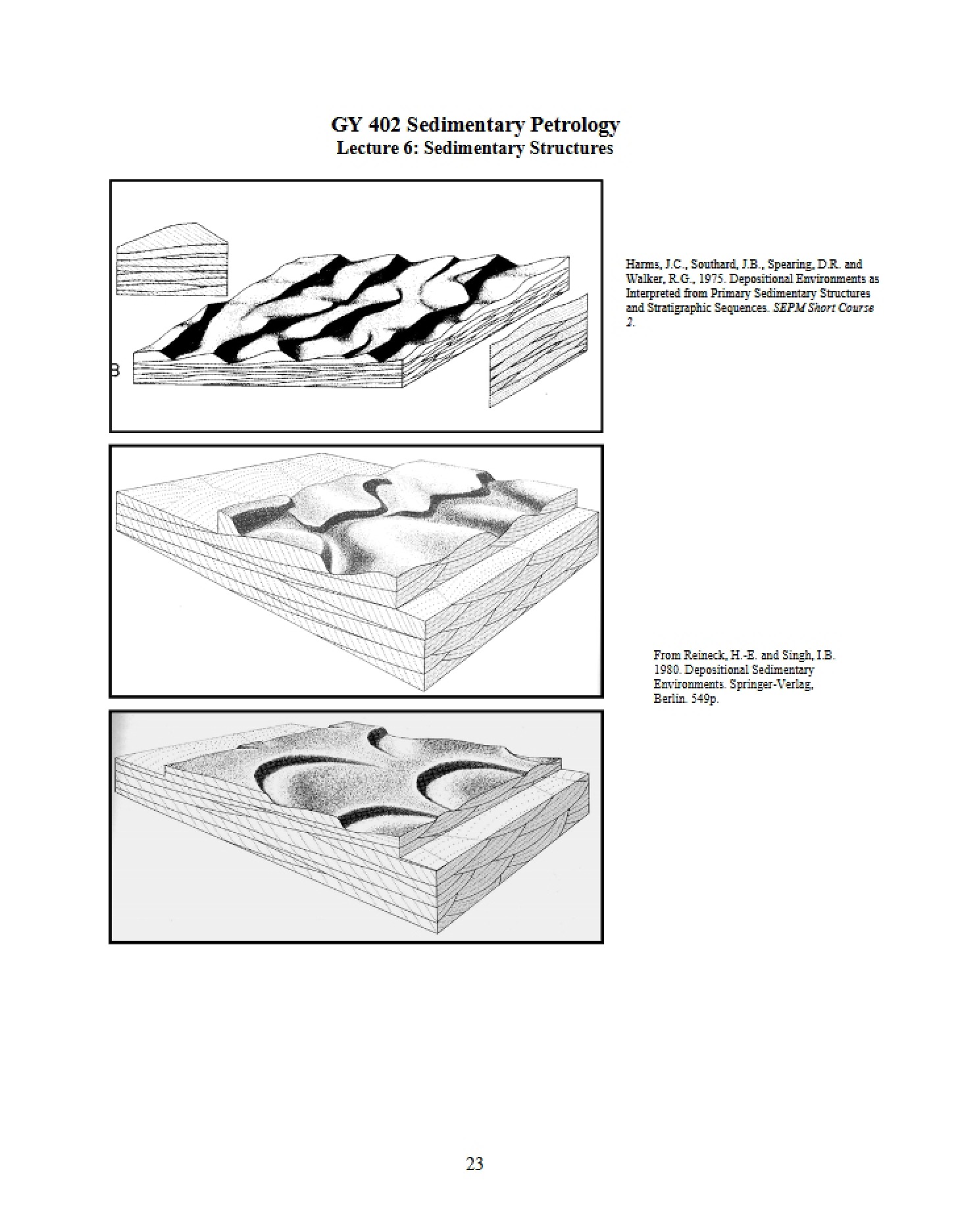
* An overview of key sedimentary structures and their relationship to depositional environments.
* Exploration of the characteristics and development of carbonate platforms and reefs.
* Introduction to the concept of cyclothems and their connection to sea level cycles.
* Visual aids illustrating geological formations and stratigraphic relationships.