What This Document Is
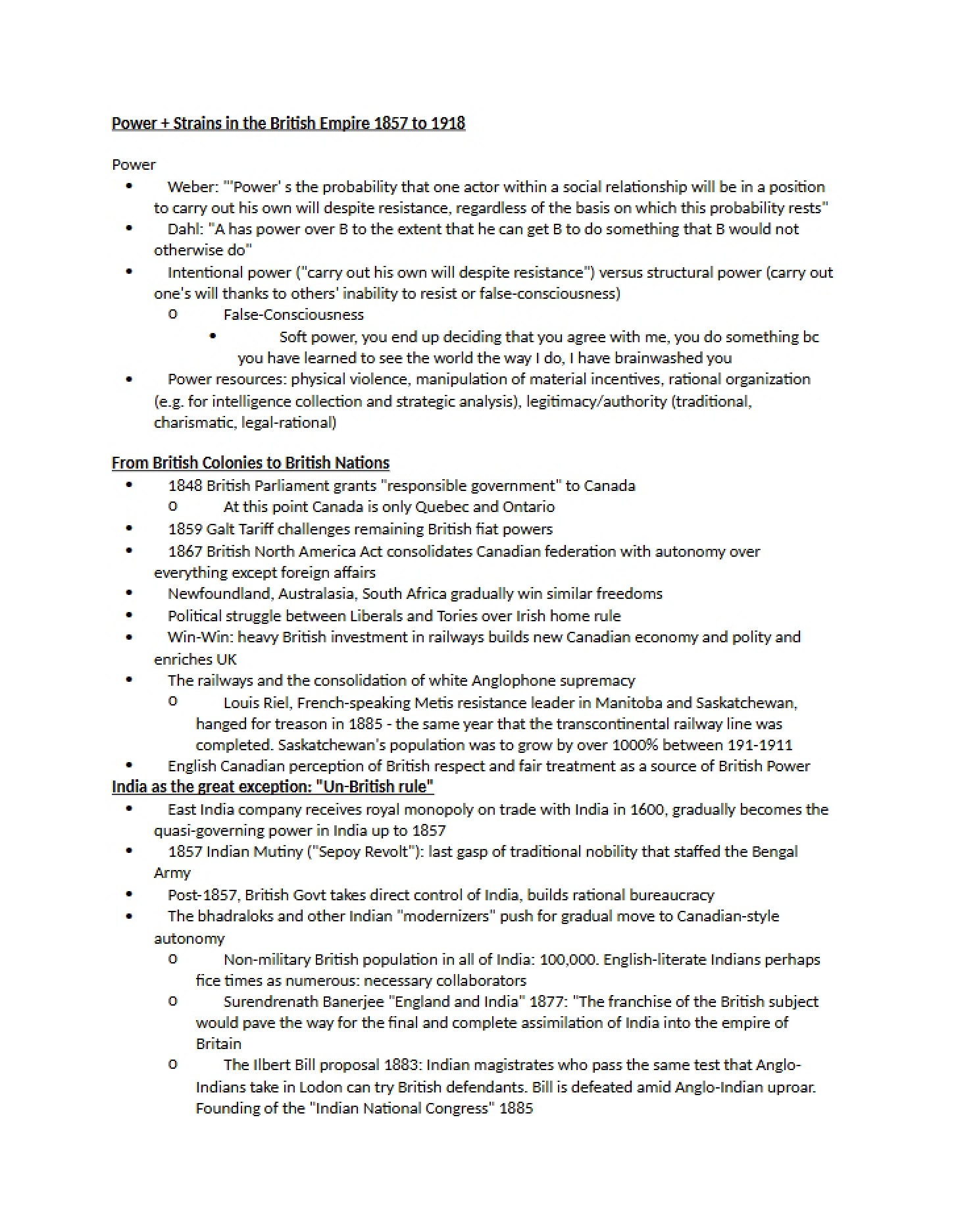
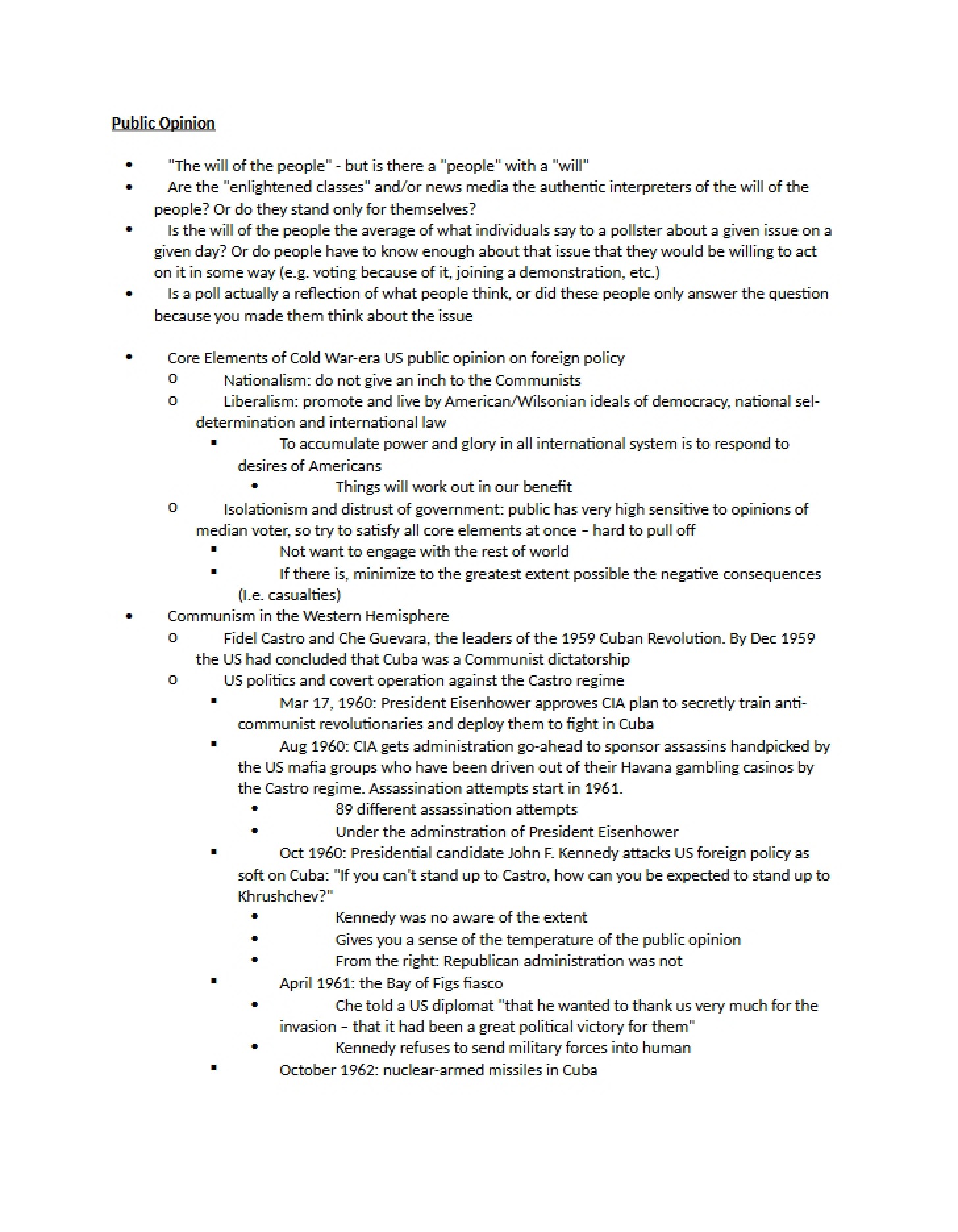
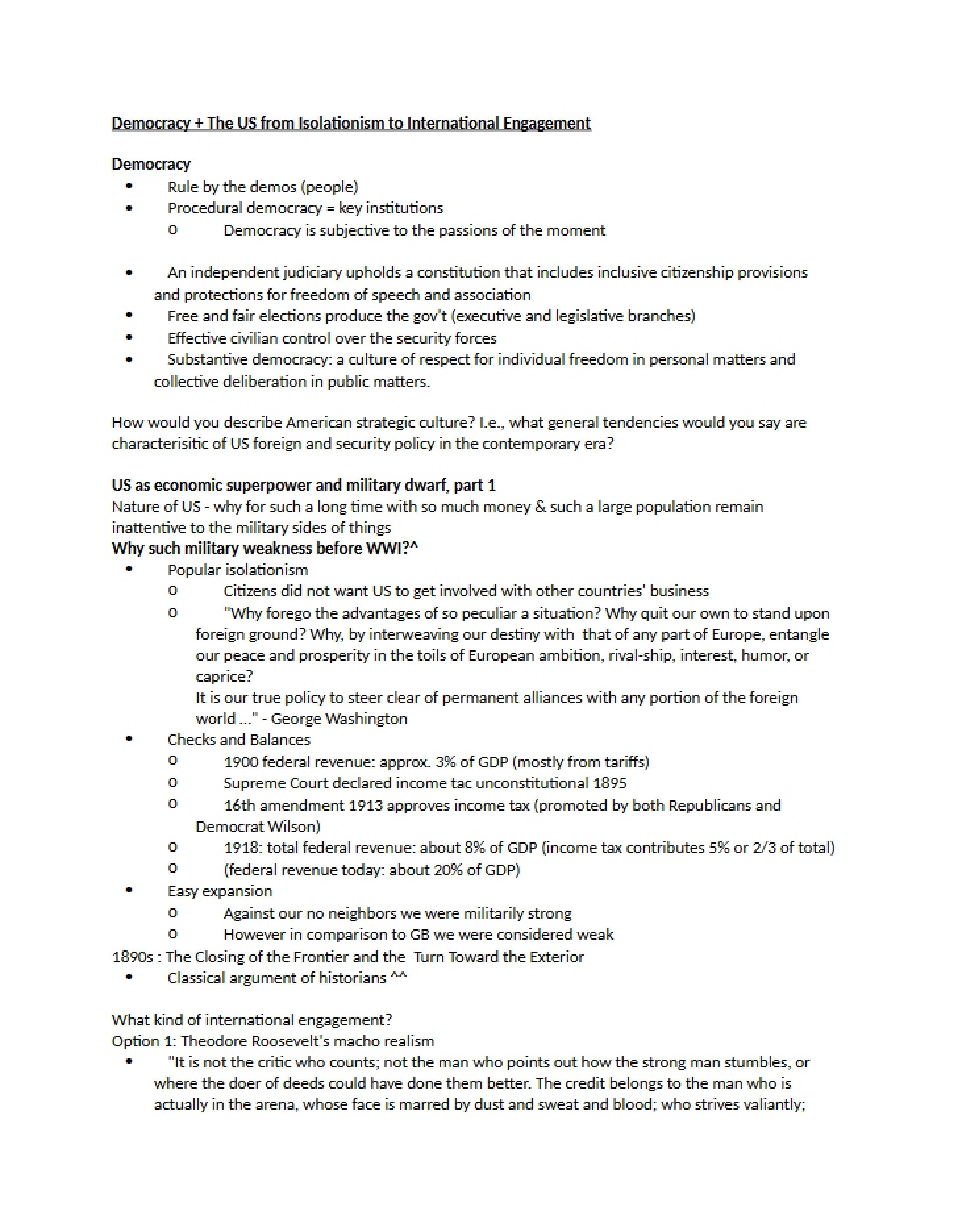
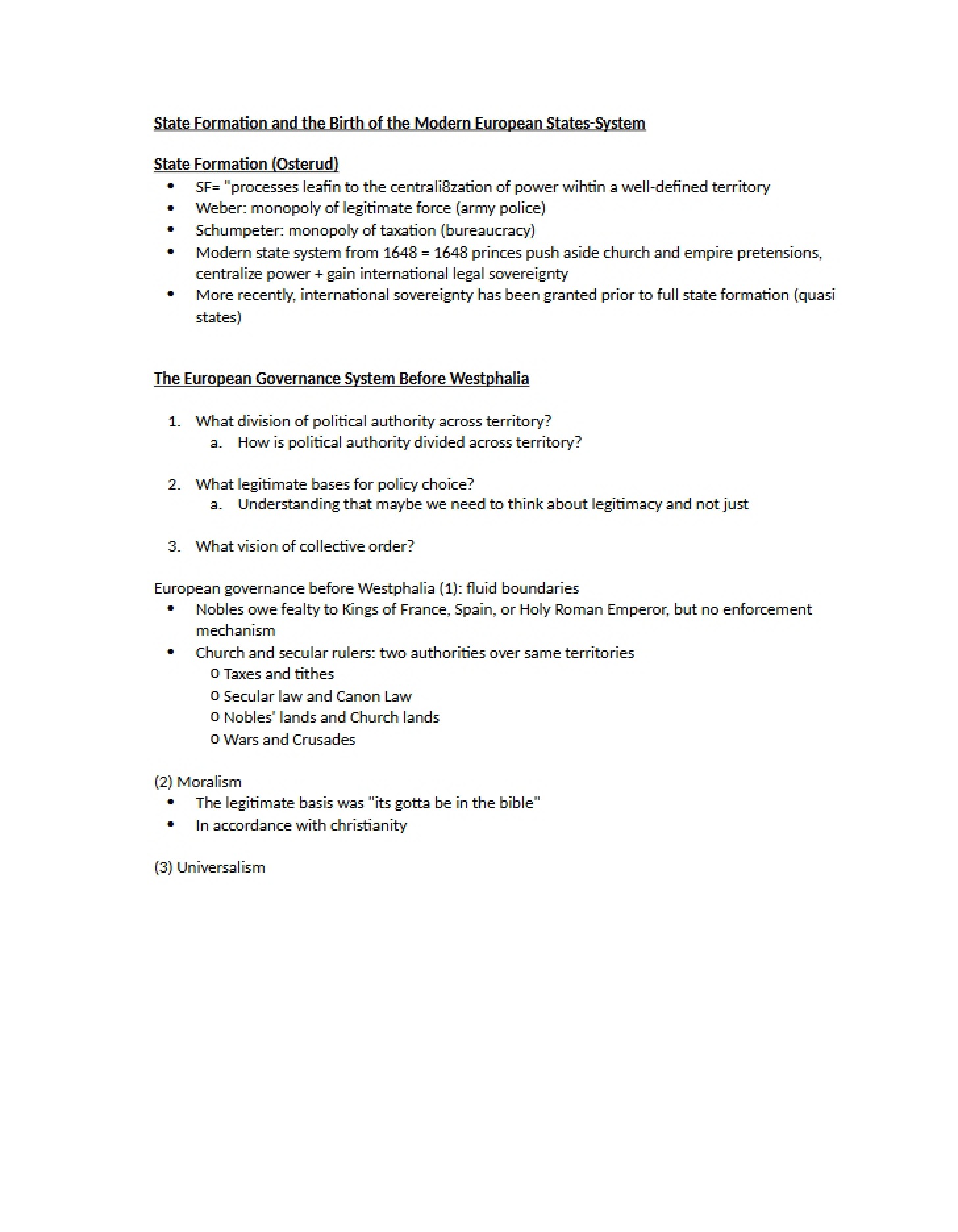
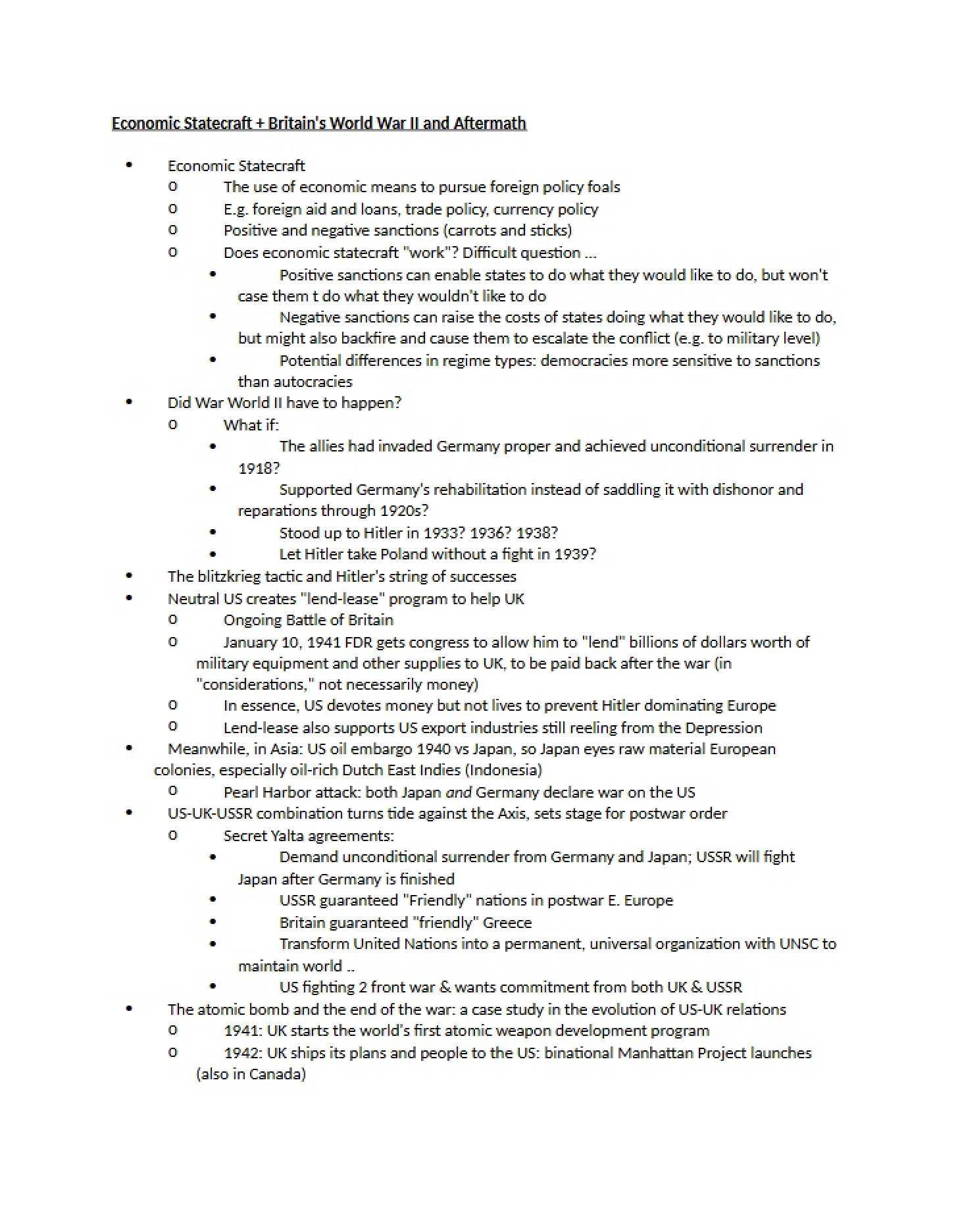
This material comprises lecture notes from IR 212, Historical Approaches to International Relations at the University of Southern California. It delves into the theoretical underpinnings of how international order emerges and is maintained, focusing specifically on the concept of “International Regimes.” The lecture explores differing perspectives from major schools of thought within International Relations – Realism, Liberalism, and Constructivism – regarding the origins and function of these regimes. It then traces the historical evolution of attempts to establish lasting peace and stability in Europe, beginning with the challenges posed by expansionist powers and culminating in the post-Napoleonic order.
Why This Document Matters
Students enrolled in IR 212, or those studying International Relations more broadly, will find this resource invaluable. It’s particularly useful for understanding the historical context behind contemporary international institutions and the ongoing debates surrounding cooperation, conflict, and power dynamics. This material is best reviewed *before* and *after* related lectures to solidify comprehension and prepare for coursework. It’s also helpful for anyone seeking a deeper understanding of the intellectual foundations of the field.
Common Limitations or Challenges
This material represents a single lecture’s content and does not constitute a comprehensive overview of all historical approaches to IR. It focuses on specific case studies and theoretical arguments, and doesn’t offer a complete analysis of every relevant historical event or scholar. It’s designed to be a starting point for further exploration, not a substitute for independent research and critical thinking. Access to the full material is required for a complete understanding of the arguments presented.
What This Document Provides
* An examination of the definition and core components of “International Regimes.”
* Comparative analyses of Realist, Liberal, and Constructivist explanations for the formation of international regimes.
* Historical case studies illustrating the application of these theoretical frameworks.
* Discussion of key concepts like state sovereignty, balance of power, and the role of ideology in international politics.
* An overview of pivotal historical moments, including the rise of Napoleon and the Congress of Vienna.