What This Document Is
This study guide consists of detailed lecture notes covering a pivotal period in the study of International Relations. Specifically, it delves into the application of economic tools in foreign policy – often referred to as economic statecraft – and connects this to the historical context surrounding the Second World War and its immediate aftermath. The notes explore the complexities of power dynamics, strategic decision-making, and the evolution of international alliances during a period of immense global upheaval. It also examines the shifting relationship between major world powers in the post-war era.
Why This Document Matters
Students enrolled in IR 212 – Historical Approaches to International Relations – will find these notes particularly valuable. They are designed to supplement lectures and provide a focused resource for understanding the historical precedents that continue to shape contemporary international politics. These notes are most useful when preparing for exams, crafting research papers, or seeking a deeper comprehension of the forces that drove 20th-century global events. Individuals interested in the historical roots of modern foreign policy strategies will also benefit from this resource.
Common Limitations or Challenges
These notes represent a specific interpretation of the lecture material and should not be considered a substitute for attending lectures or completing assigned readings. They focus on the key themes and arguments presented, but do not offer a comprehensive overview of *all* historical details. Furthermore, the notes are designed to aid understanding, not to provide definitive answers or fully resolve complex historical debates. They are a starting point for further investigation and critical thinking.
What This Document Provides
* An exploration of the theory and practice of economic statecraft, including the use of both positive and negative incentives.
* A historical examination of alternative pathways that could have altered the course of World War II.
* Insights into the development and implications of the Lend-Lease program during WWII.
* An analysis of the factors contributing to the attack on Pearl Harbor and the subsequent entry of the United States into the war.
* Details regarding post-war agreements and the formation of the United Nations.
* A discussion of the evolution of the US-UK relationship, particularly concerning the development and use of atomic weapons.
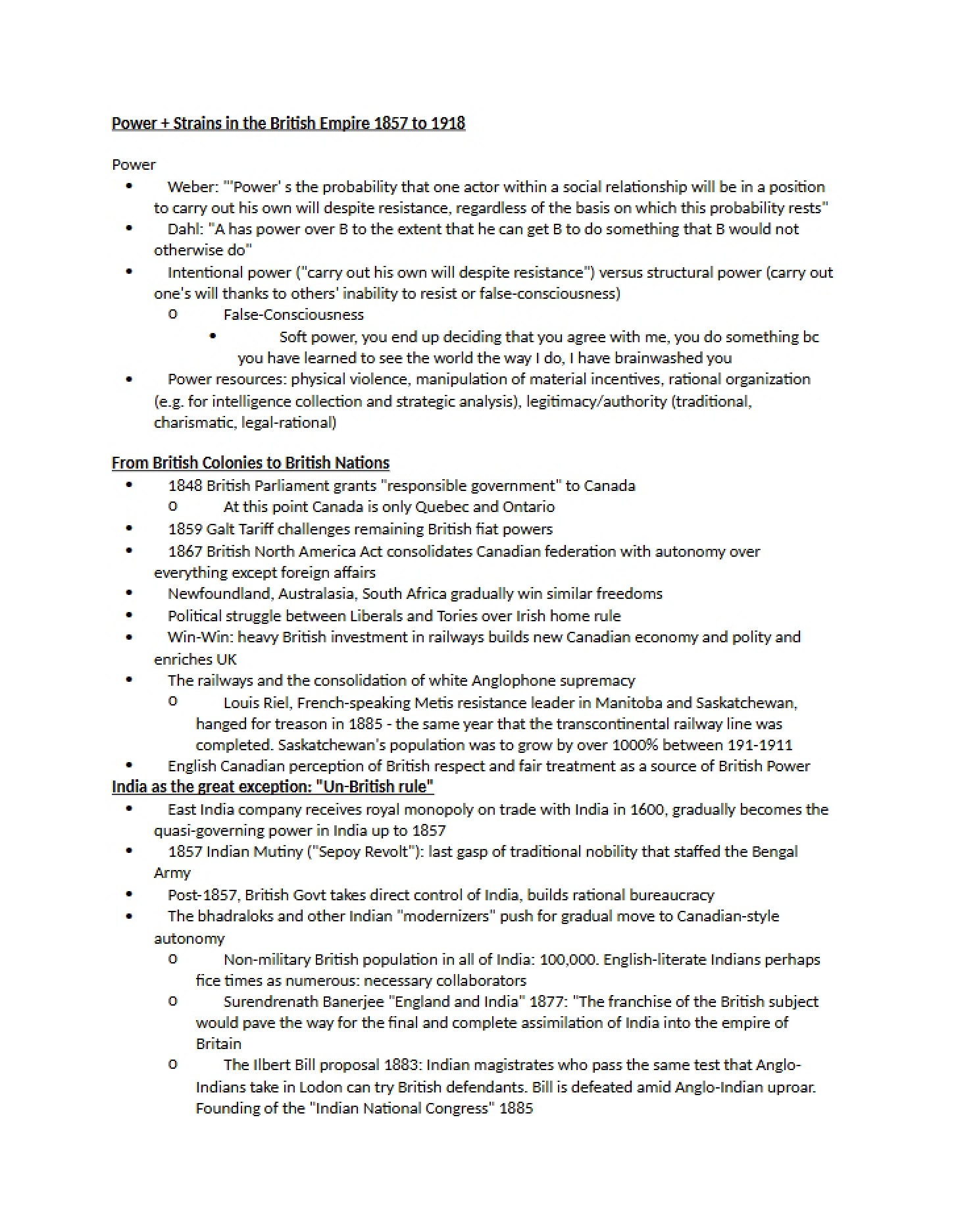
* An overview of Britain’s post-war challenges and its evolving role on the world stage, including the process of decolonization.