What This Document Is
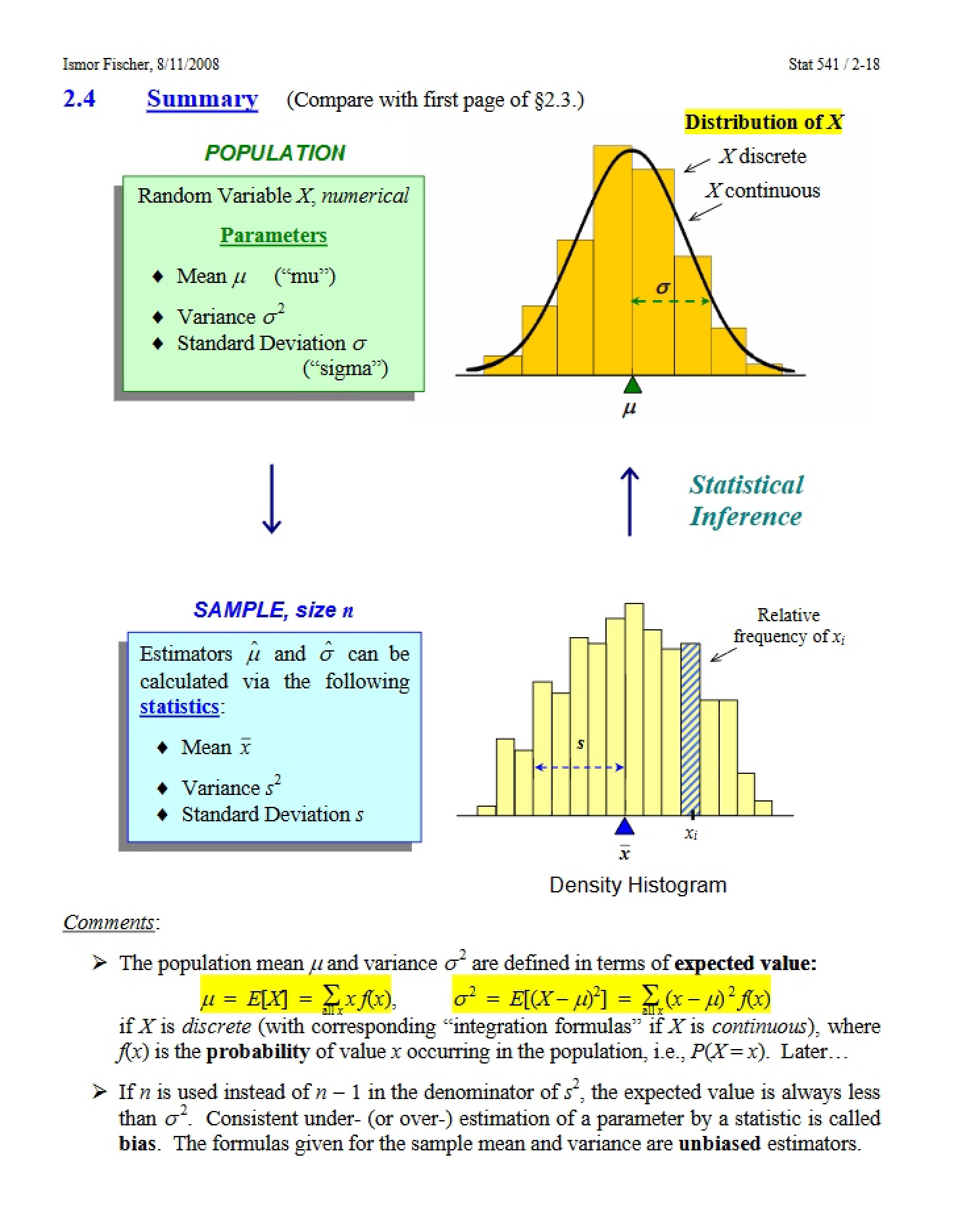
This material represents lecture content from STAT 541, an introductory course in Biostatistics offered at the University of Wisconsin-Madison. It lays the foundational groundwork for understanding statistical analysis within the context of biomedical and health-related research. The core focus is on bridging the gap between complex biological systems and the rigorous application of statistical principles to draw meaningful conclusions from data. It explores the fundamental reasoning behind distinguishing genuine effects from random variation in scientific study.
Why This Document Matters
This resource is invaluable for students beginning their journey into the world of biostatistics, particularly those in public health, medicine, biology, or related fields. It’s most beneficial when used as a companion to lectures, providing a structured overview of key concepts. Researchers and professionals needing a refresher on the core principles of statistical inference and its application to health sciences will also find it useful. Understanding these concepts is crucial for critically evaluating research findings and designing effective studies.
Common Limitations or Challenges
This material presents a high-level overview of biostatistical concepts and does not offer step-by-step instructions for performing specific calculations or using statistical software. It’s designed to build conceptual understanding, not to serve as a standalone guide for data analysis. Access to additional resources, such as textbooks, software tutorials, and practical exercises, will be necessary for full competency. It does not include practice problems or worked examples.
What This Document Provides
* An overview of the role of statistics in the health sciences.
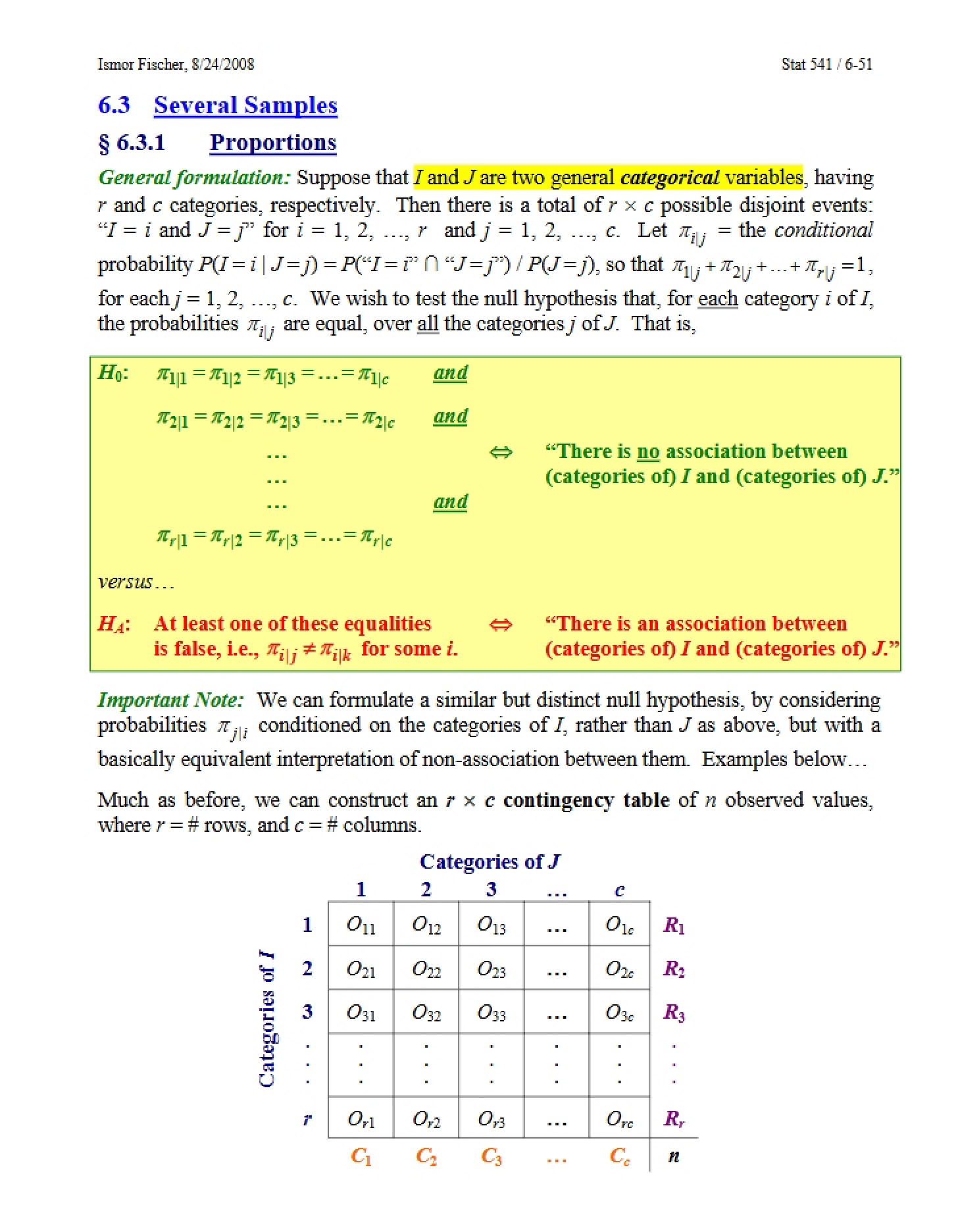
* A framework for formulating testable hypotheses.
* Discussion of different experimental designs used in biomedical research.
* An introduction to the core steps of the classical scientific method as applied to statistical analysis.
* Key areas of focus within the course, including exploratory data analysis, probability theory, statistical inference, regression modeling, and survival analysis.
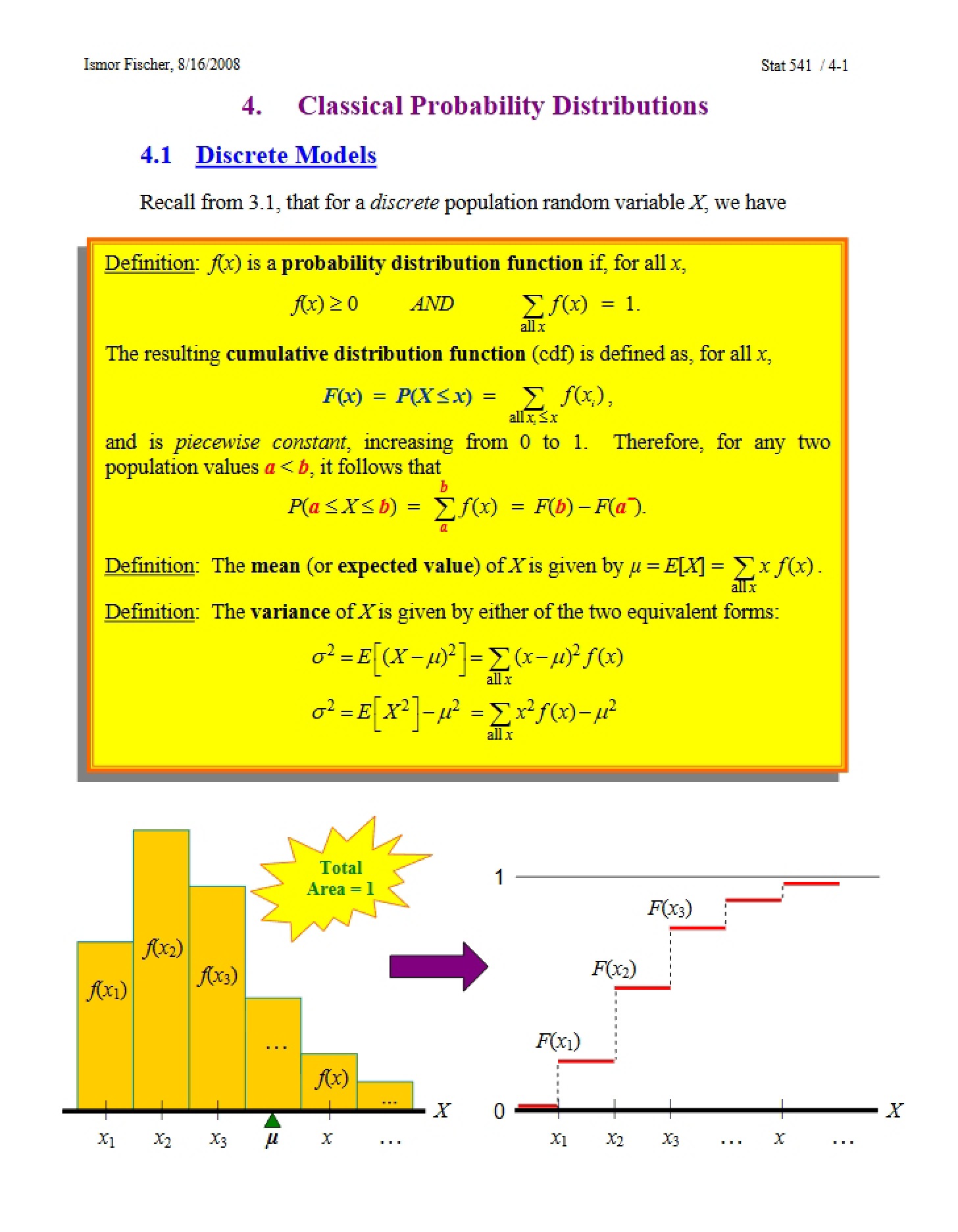
* An exploration of how statistical principles help interpret variation in measurable quantities.