What This Document Is
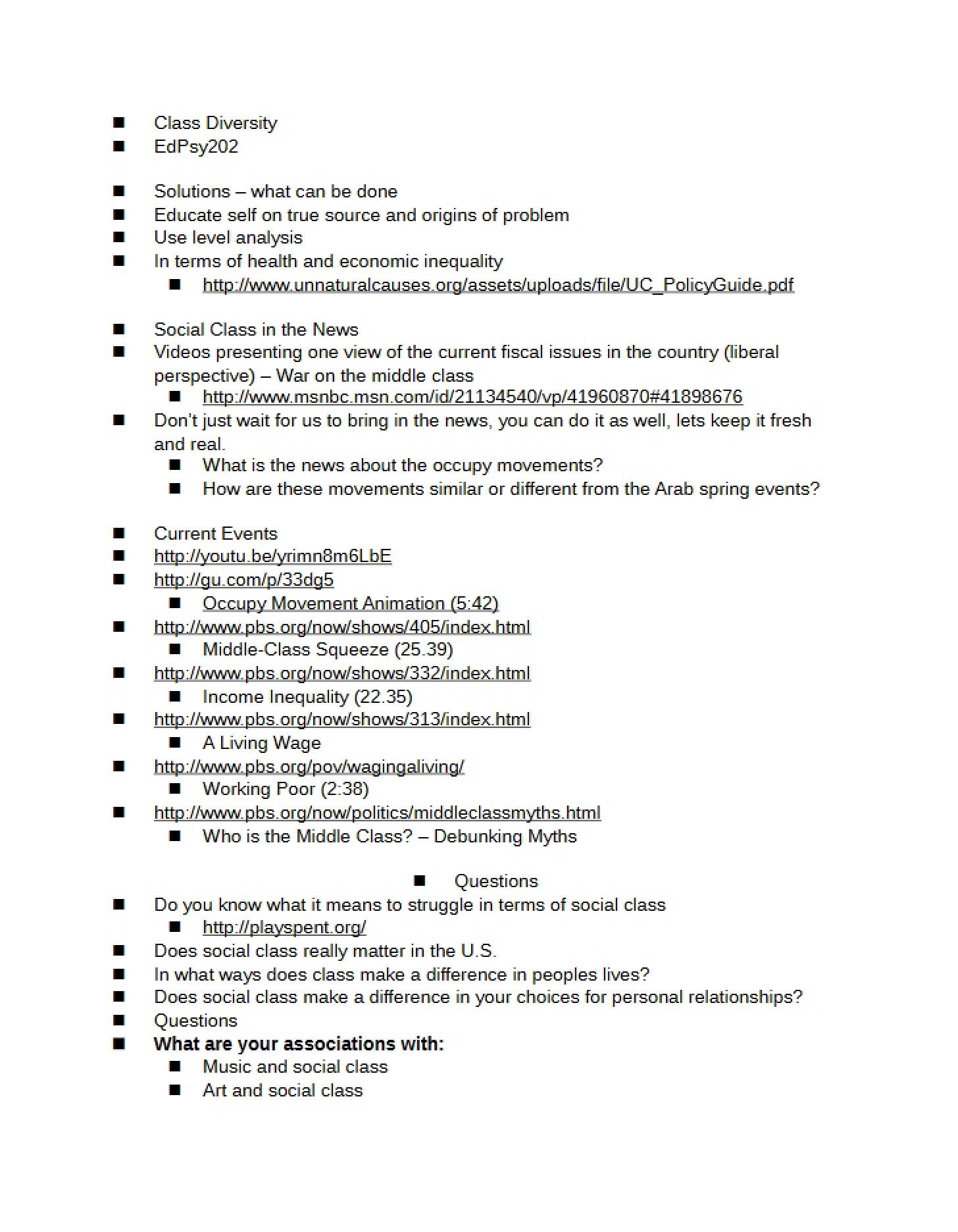
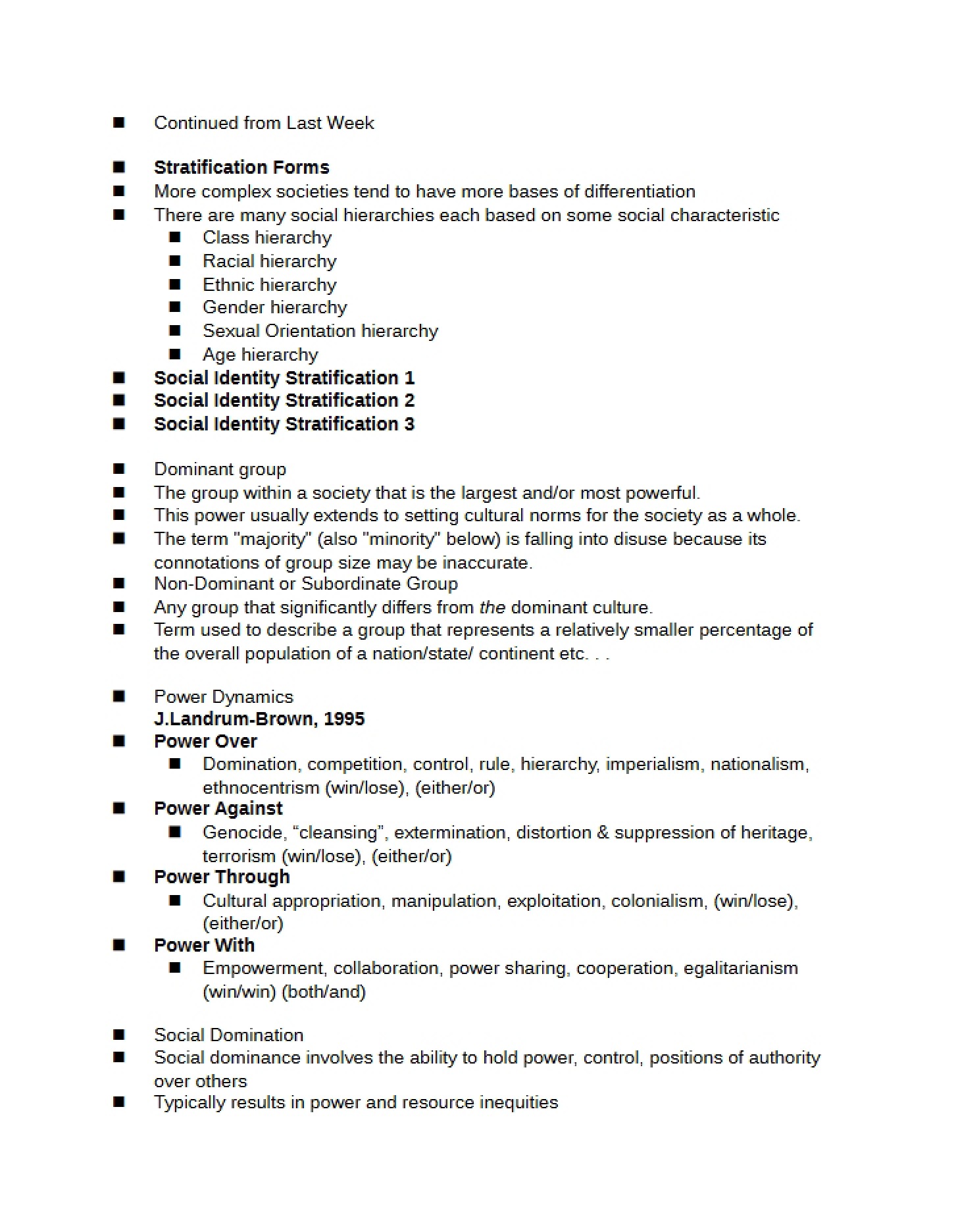
This document comprises lecture notes from Exploring Cultural Diversity (EPSY 202) at the University of Illinois at Urbana-Champaign, specifically Lecture Note 04. It delves into the complex interplay between societal structures and individual experiences of difference, focusing on understanding various forms of discrimination and their impact. The material explores theoretical frameworks for analyzing inequality and conflict, and encourages critical examination of underlying assumptions and ideologies. It aims to provide a foundational understanding of how historical and social contexts shape intergroup relations.
Why This Document Matters
Students enrolled in courses on cultural diversity, sociology, psychology, or related fields will find these notes particularly valuable. They are ideal for reinforcing concepts presented in lectures, preparing for class discussions, and building a strong base for more advanced study. Anyone seeking to understand the systemic nature of inequality and the roots of intergroup conflict will benefit from engaging with this material. These notes are best utilized *alongside* course readings and active participation in class.
Topics Covered
* Levels and layers of discrimination – examining individual, institutional, and structural forms.
* The role of standardized testing and meritocracy in access to opportunities.
* Ideological frameworks and their influence on perception and critical thinking.
* Historical and social contexts of intergroup issues and conflicts.
* Themes related to interethnic conflict, including perceived differences and power dynamics.
* Concepts of social inequality, differentiation, and stratification.
* The impact of cultural boundaries and representation.
* The role of religion in shaping cultural understanding and conflict.
What This Document Provides
* A multi-layered framework for analyzing discrimination.
* Key terminology and definitions related to inequality and social stratification.
* Points for reflection and critical self-assessment regarding personal ideologies.
* A foundation for understanding the historical roots of contemporary social issues.
* A structured overview of concepts related to conflict resolution and cultural understanding.
* References to external resources for further exploration of specific topics.