What This Document Is
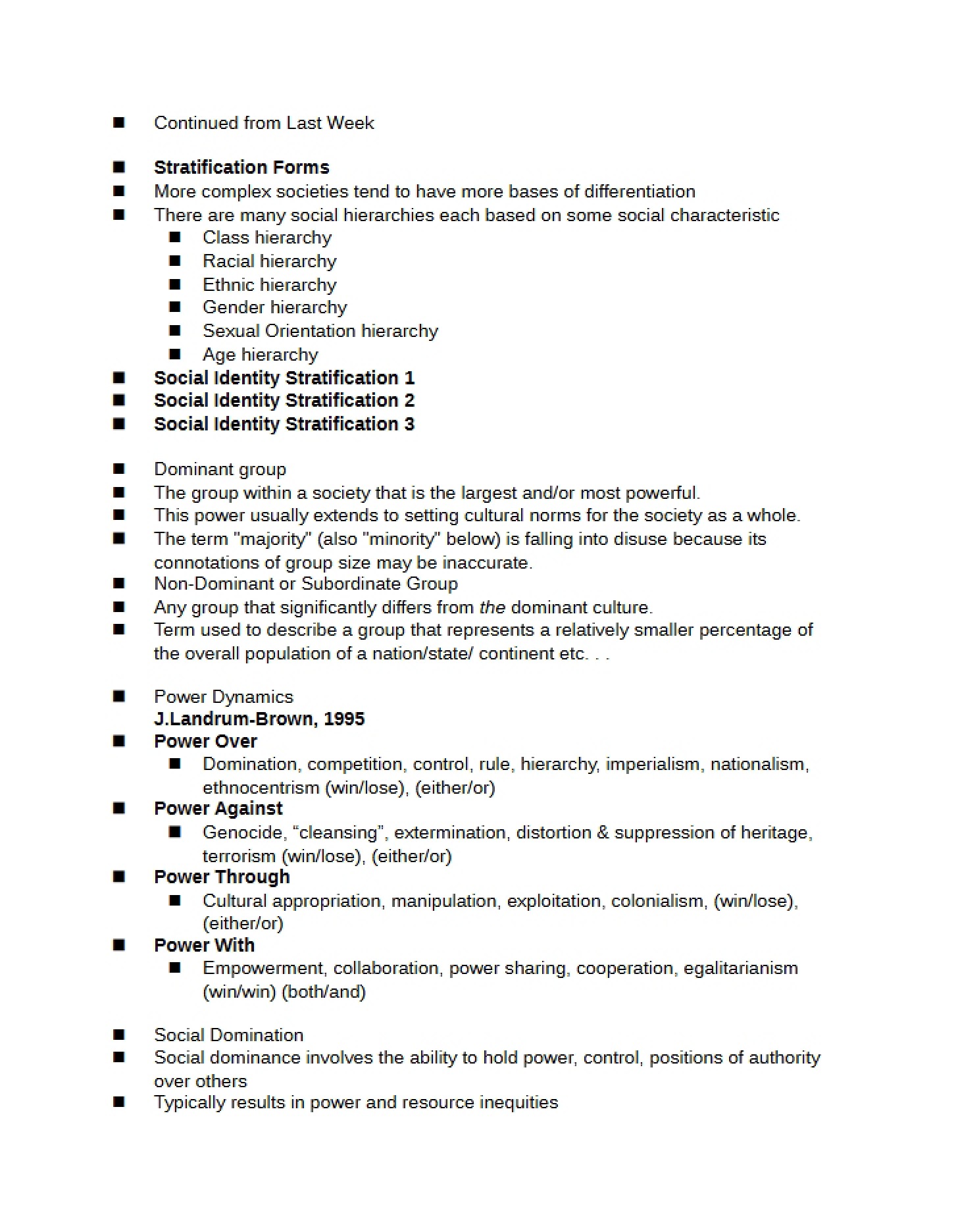
This document comprises lecture notes from EPSY 202: Exploring Cultural Diversity at the University of Illinois at Urbana-Champaign, specifically focusing on Lecture Note 07. It delves into the complex topic of social class and its multifaceted impact on individuals and society. The material presents a comprehensive overview of class dynamics, moving beyond simple economic definitions to explore cultural, lifestyle, and systemic implications. It’s designed to encourage critical thinking about societal structures and personal experiences.
Why This Document Matters
Students enrolled in courses related to sociology, psychology, education, or cultural studies will find this resource particularly valuable. It’s ideal for those seeking a deeper understanding of the influences shaping social inequalities and the lived experiences of individuals from diverse socioeconomic backgrounds. This material can be used to supplement textbook readings, prepare for class discussions, or build a foundation for research projects examining social stratification. It’s especially helpful when analyzing current events through a sociological lens.
Topics Covered
* The multi-dimensional nature of social class (beyond income)
* The relationship between social class and various aspects of life (e.g., education, lifestyle, speech)
* Exploration of class privilege and its implications
* Historical and contemporary issues related to wealth and income inequality
* The intersection of class with other forms of social stratification, including race
* Key definitions and concepts related to class structure and classism
* Analysis of current events related to economic disparity and social movements
What This Document Provides
* A collection of relevant links to external resources, including news articles, videos, and interactive tools for self-reflection.
* Definitions of key terms related to social class, such as “classism,” “class identity,” and “class hierarchy.”
* A framework for analyzing the different strata within a class-based society (e.g., ruling class, middle class, working class).
* Points for consideration regarding personal experiences and family discussions related to class and privilege.
* A starting point for exploring the complexities of poverty, including white poverty, and the racial wealth gap.