What This Document Is
These materials represent a lecture session focused on search algorithms within a foundational computer science course. It delves into techniques used to navigate problem spaces and find optimal solutions, building upon previously established concepts. The session explores both uninformed and informed search strategies, and introduces a new category of problem-solving approaches. It utilizes illustrative examples to demonstrate the practical application of these methods.
Why This Document Matters
This resource is invaluable for students seeking a deeper understanding of search algorithms – a core component of many areas within computer science. It’s particularly helpful for those currently enrolled in a foundational artificial intelligence or algorithms course. Reviewing these materials before or after lectures, or while working on related assignments, will solidify comprehension and improve problem-solving skills. Individuals preparing to implement search algorithms in projects will find the conceptual overview particularly beneficial.
Common Limitations or Challenges
This lecture session focuses on the theoretical underpinnings and comparative analysis of different search strategies. It does *not* provide fully worked-out code implementations or detailed proofs of algorithm correctness. The materials assume a basic understanding of data structures like queues and graphs. While examples are used, they serve to illustrate concepts and won’t necessarily cover every possible scenario or edge case. Access to the full materials is required for a complete understanding of the detailed steps and nuances of each algorithm.
What This Document Provides
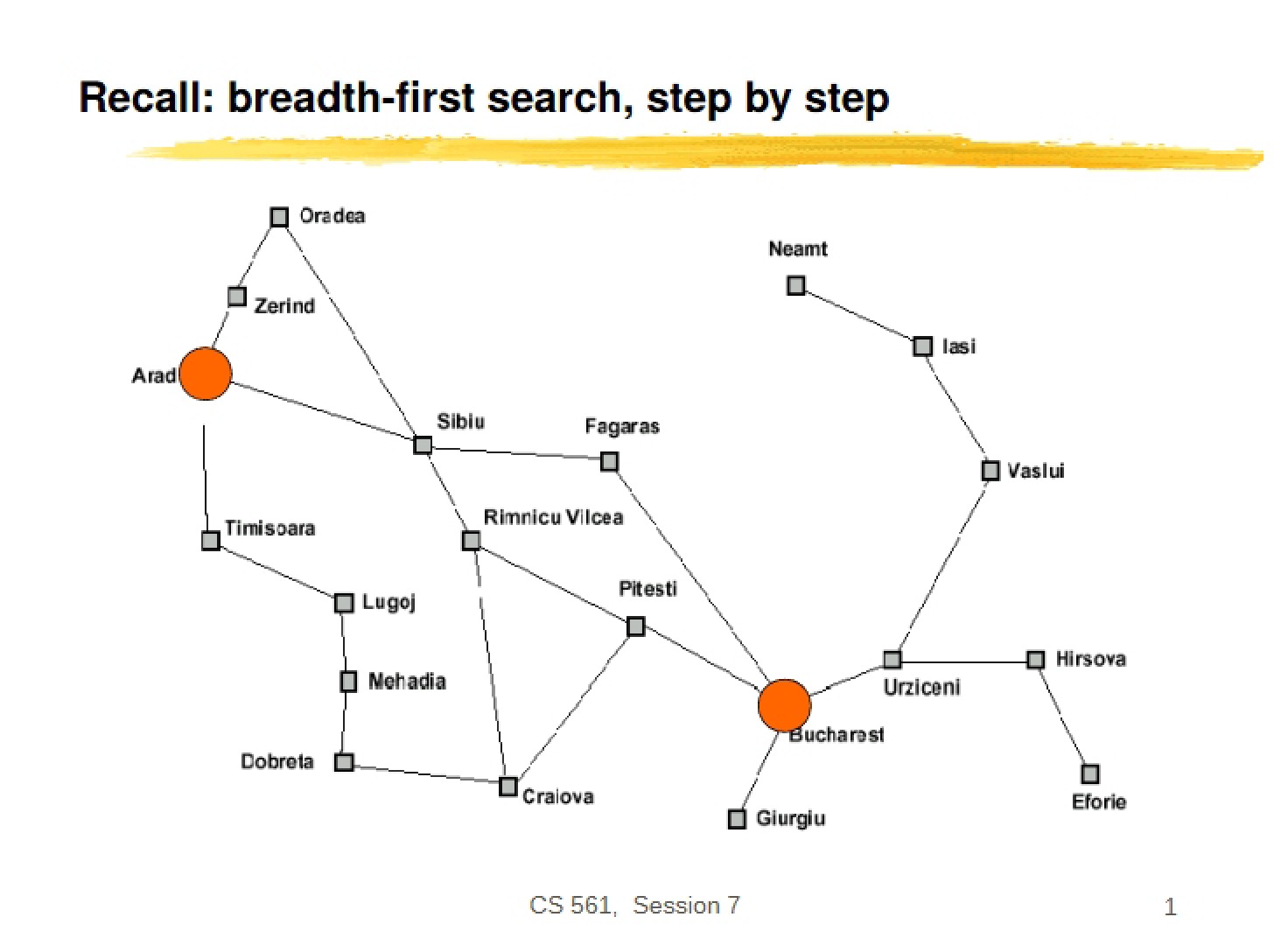
* A review of fundamental search concepts, including breadth-first and depth-first search.
* A comparative analysis of uninformed search strategies.
* An introduction to informed search techniques and their advantages.
* An overview of iterative improvement algorithms as a distinct approach to problem-solving.
* Discussion of scenarios where the path to a solution is less important than the solution itself.
* Exploration of challenges related to search spaces, such as cyclic excursions.