What This Document Is
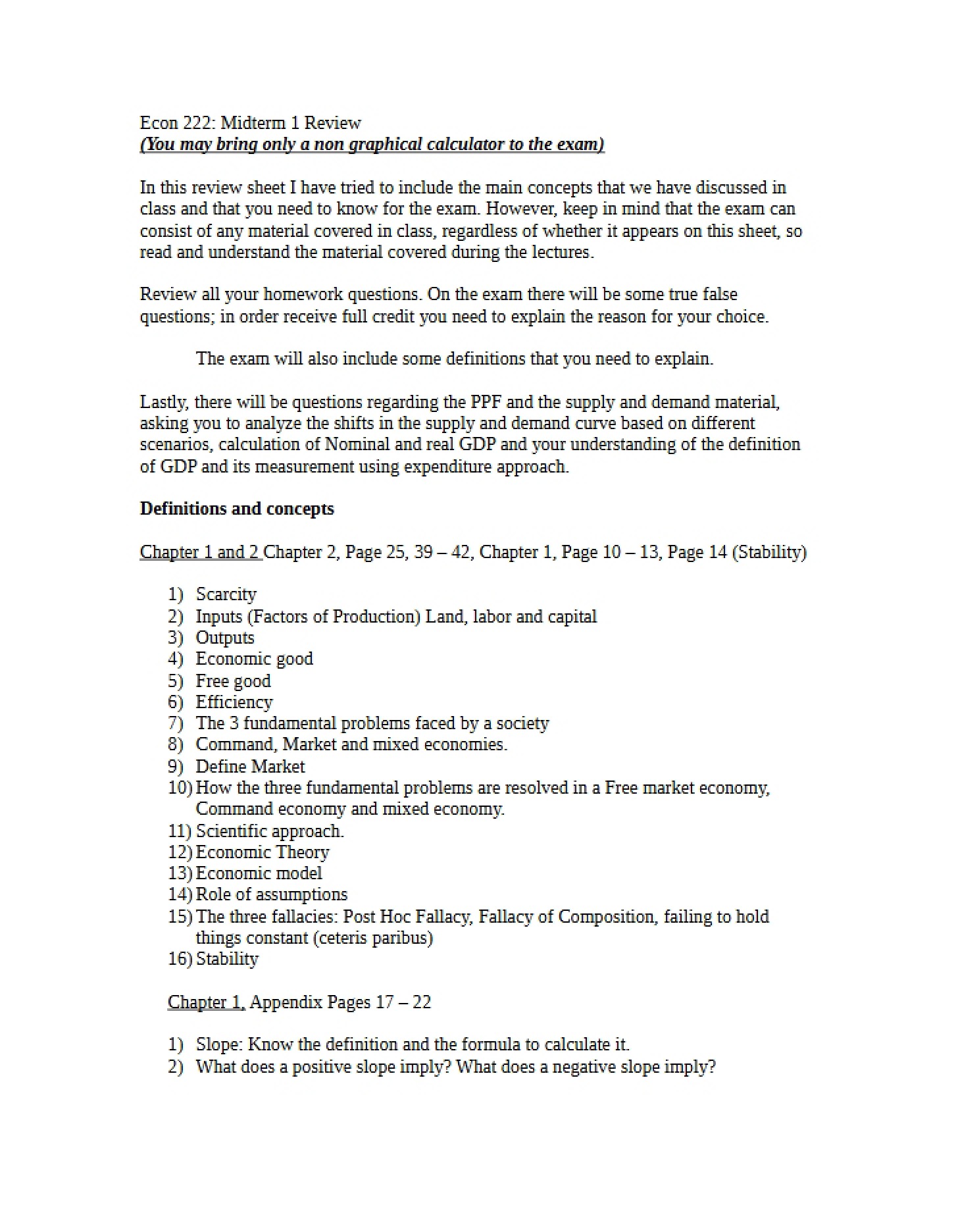
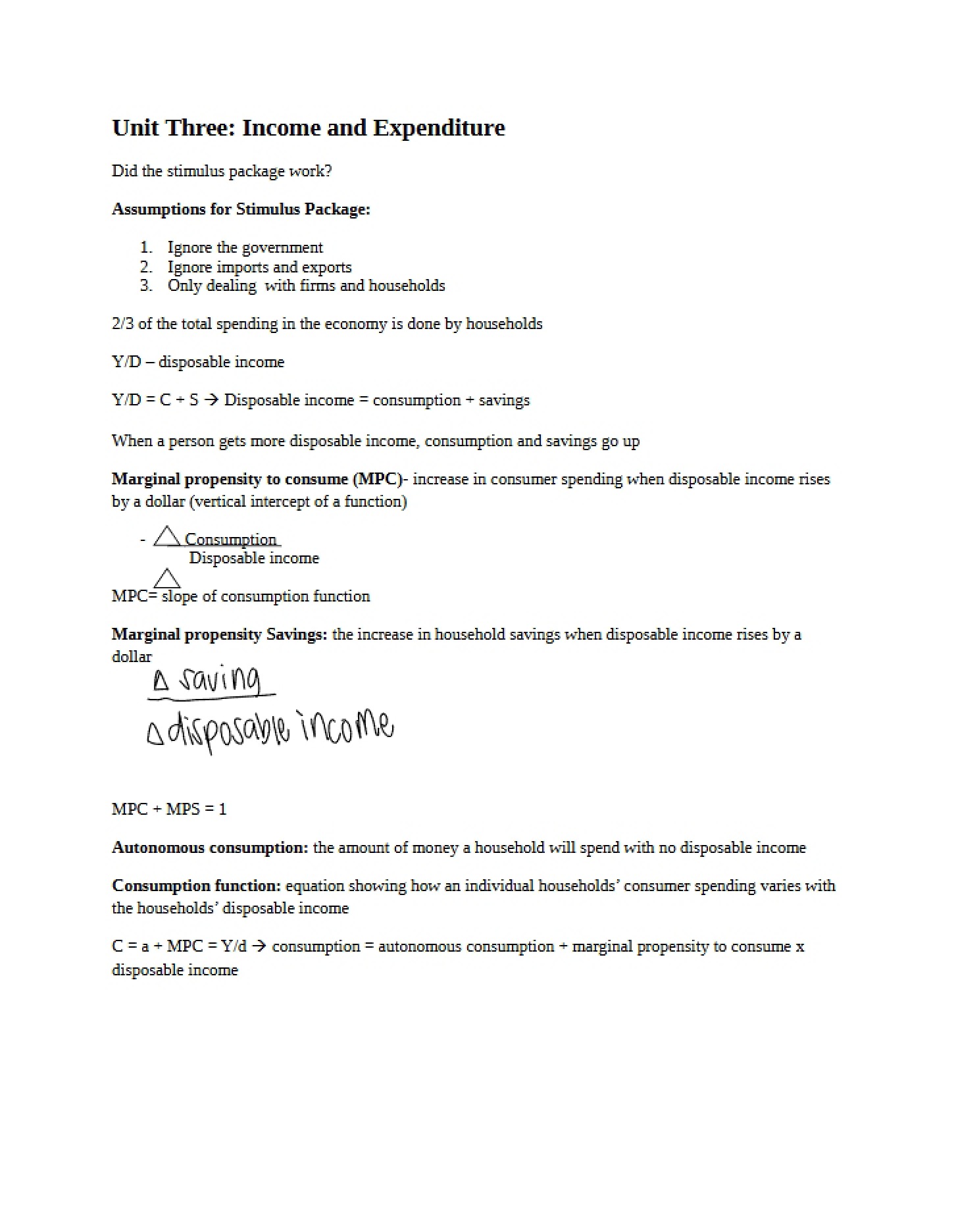
This resource is a comprehensive list of concepts and key terms central to understanding Principles of Macroeconomics (ECON 222) at the University of South Carolina. It serves as a glossary, defining the fundamental vocabulary used throughout the course. The document focuses on the language of macroeconomics – the study of the economy as a whole – and provides a foundational understanding of how economists analyze national and global economic phenomena. It’s designed to help students build a strong base for more complex topics.
Why This Document Matters
This list is invaluable for students new to macroeconomics, or those needing a refresher on core principles. It’s particularly helpful when tackling readings, lectures, and assignments where precise definitions are crucial. Students preparing for quizzes and exams will find this resource beneficial for solidifying their understanding of key terminology. It’s also a useful reference for anyone seeking to understand economic news and analysis, providing context for discussions of national output, employment, and price levels.
Common Limitations or Challenges
This document focuses *solely* on defining terms. It does not offer in-depth explanations of economic models, historical context, or policy implications. It will not provide step-by-step instructions for calculations or analyses. While definitions are provided, understanding *how* these concepts interact and influence economic outcomes requires further study of course materials. This is a starting point, not a complete substitute for comprehensive learning.
What This Document Provides
* Definitions of core macroeconomic variables (e.g., output, inflation, unemployment).
* Clarification of different measures of economic performance.
* Key terminology related to national income accounting.
* Explanations of concepts related to economic fluctuations (e.g., recessions, expansions).
* Definitions of important components of aggregate demand (e.g., consumption, investment).
* Distinctions between related concepts (e.g., nominal vs. real GDP).
* Terms related to factors of production and income distribution.