What This Document Is
This document presents advanced concepts within the field of phylogenetic analysis, specifically focusing on macroevolutionary dynamics. It delves into the patterns and processes governing the diversification and extinction of lineages over geological timescales. Designed for upper-level undergraduate or graduate study, it builds upon foundational knowledge of evolutionary theory and phylogenetics to explore the larger-scale trends shaping the history of life. The material examines how paleontological data and modern phylogenetic methods contribute to our understanding of these complex phenomena.
Why This Document Matters
Students enrolled in courses like Principles of Phylogenetics – Ecology and Evolution will find this resource particularly valuable. It’s ideal for those seeking a deeper understanding of the interplay between evolutionary tempo, mode, and the factors influencing biodiversity. Researchers investigating diversification rates, extinction events, or the impact of environmental change on evolutionary trajectories will also benefit from the concepts presented. This material is best utilized when supplementing lectures and assigned readings, offering a focused exploration of these critical topics.
Topics Covered
* The relationship between microevolutionary processes and macroevolutionary patterns.
* Historical perspectives on evolutionary tempo and mode, including the contributions of key figures in the field.
* Different approaches to measuring and interpreting rates of diversification and extinction.
* The influence of environmental factors on evolutionary processes.
* Comparative analyses of diversification patterns across different taxonomic groups.
* The integration of phylogenetic data with paleontological evidence.
What This Document Provides
* A detailed exploration of the concepts of tempo and mode in evolutionary biology.
* Discussion of the historical context and ongoing debates surrounding macroevolutionary theory.
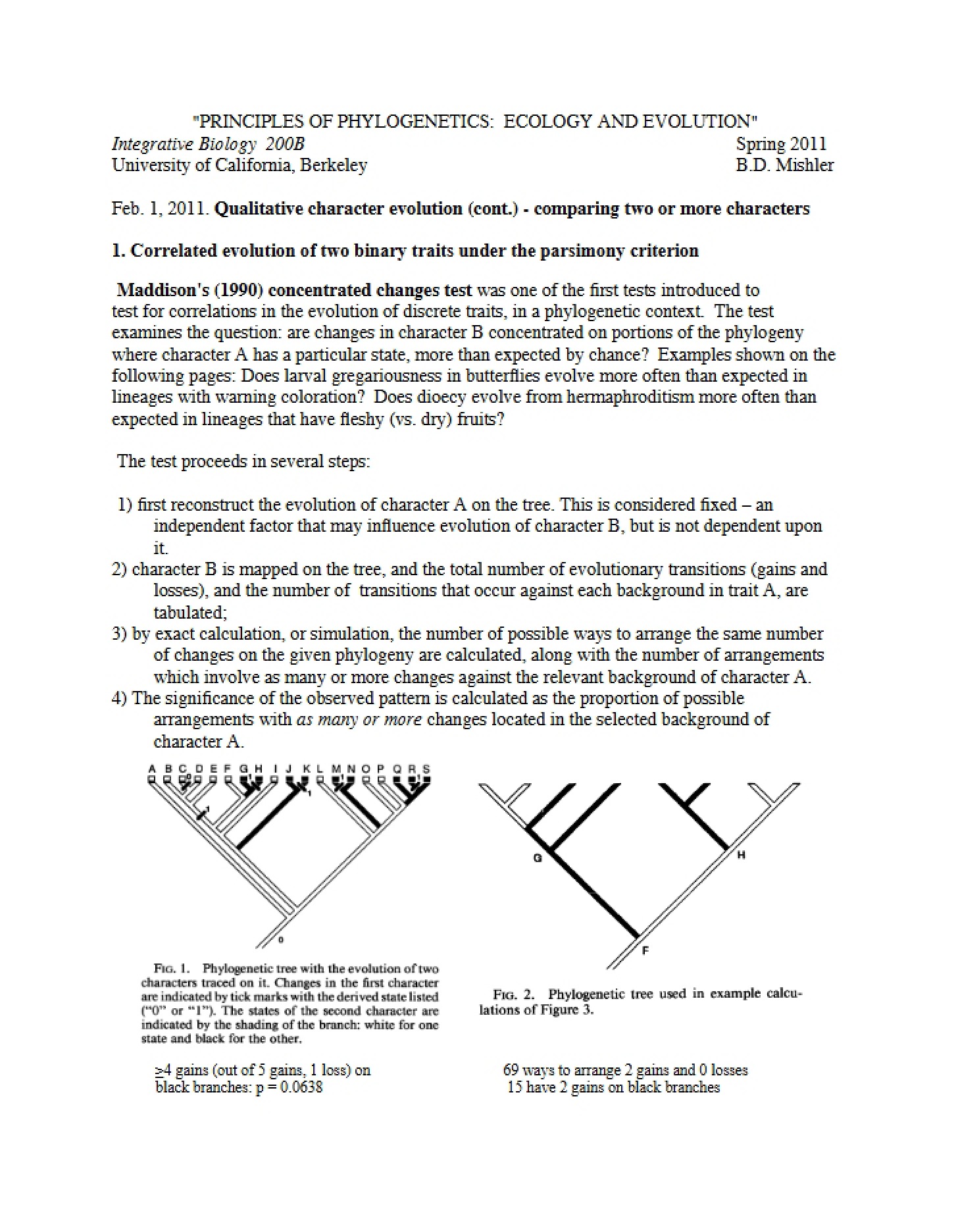
* Illustrative examples of how phylogenetic analyses can be used to reconstruct evolutionary histories.
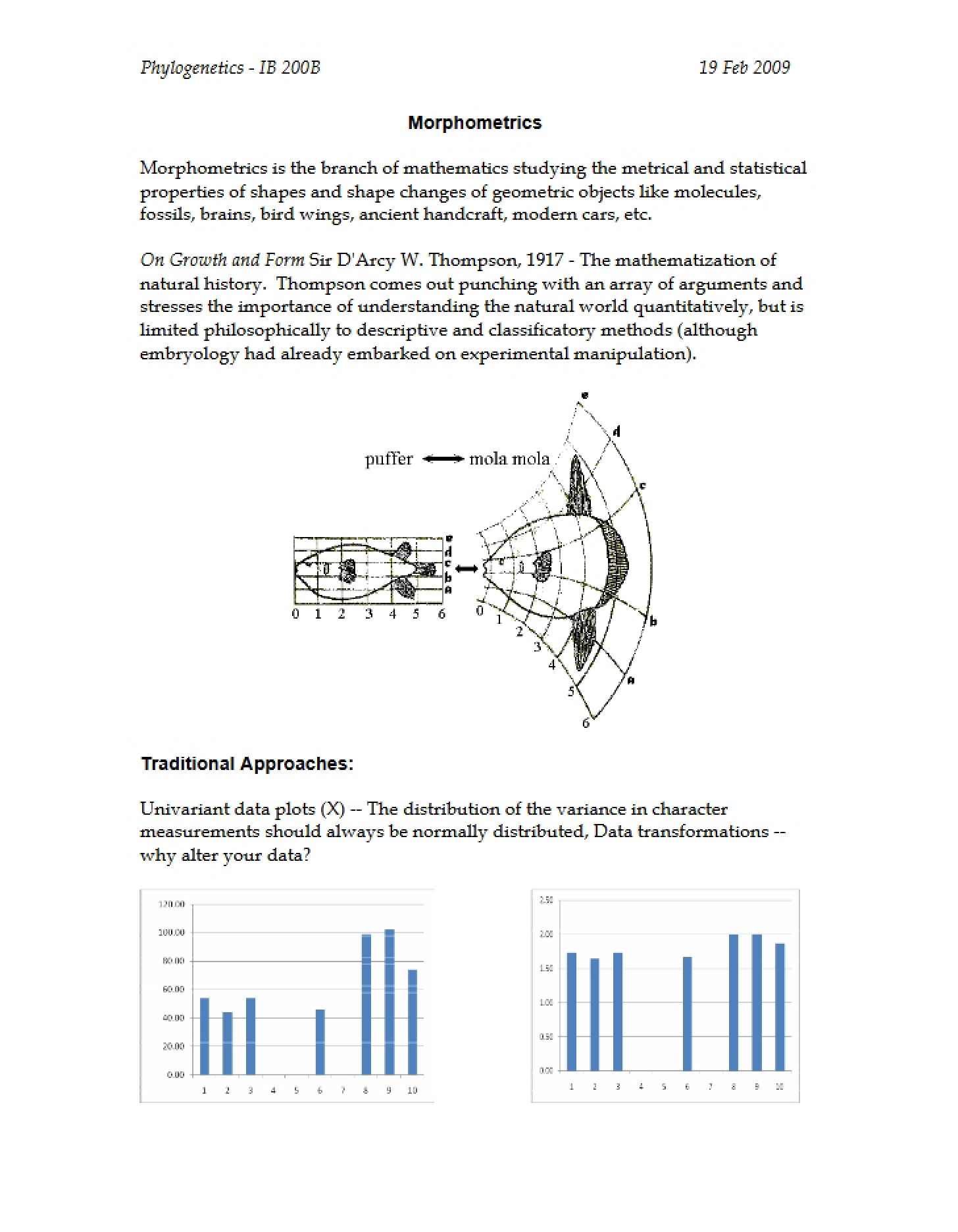
* Visual representations of complex relationships between evolutionary processes and environmental factors.
* References to key research articles in the field, providing avenues for further investigation.