What This Document Is
This document details a specific instructional strategy – a “Mastery Strategy” – applied to a workplace training scenario. It focuses on designing and implementing training programs to ensure thorough understanding and retention of critical information, specifically within the context of Occupational Safety and Health Administration (OSHA) regulations. The example used centers around confined space entry procedures for an industrial workforce. It’s a practical exploration of how to build learning experiences that verify genuine competence, not just exposure to material.
Why This Document Matters
This resource is valuable for instructional designers, training professionals, and students of instructional systems design. Anyone involved in developing or evaluating employee training programs, particularly in safety-sensitive industries, will find this helpful. It’s especially relevant when needing to demonstrate compliance with regulatory standards like those set by OSHA. Understanding how to build mastery-based learning experiences can significantly improve worker safety and reduce organizational risk. It’s useful during the planning and development phases of a training initiative.
Common Limitations or Challenges
This document presents a single case study and does not offer a universally applicable template. It focuses on a computer-based training (CBT) approach and may require adaptation for other delivery methods. While it outlines assessment criteria, it doesn’t provide specific quiz questions or detailed lesson plans. It also assumes a baseline level of computer literacy from the target audience. The document is a focused exploration of *how* to implement a mastery strategy, not a comprehensive guide to OSHA regulations themselves.
What This Document Provides
* A detailed description of a mastery-based learning approach.
* A specific application of the strategy to OSHA confined space entry training.
* Identification of the target audience and their characteristics.
* Considerations for the learning environment and required media.
* A framework for assessing the effectiveness of the implemented strategy.
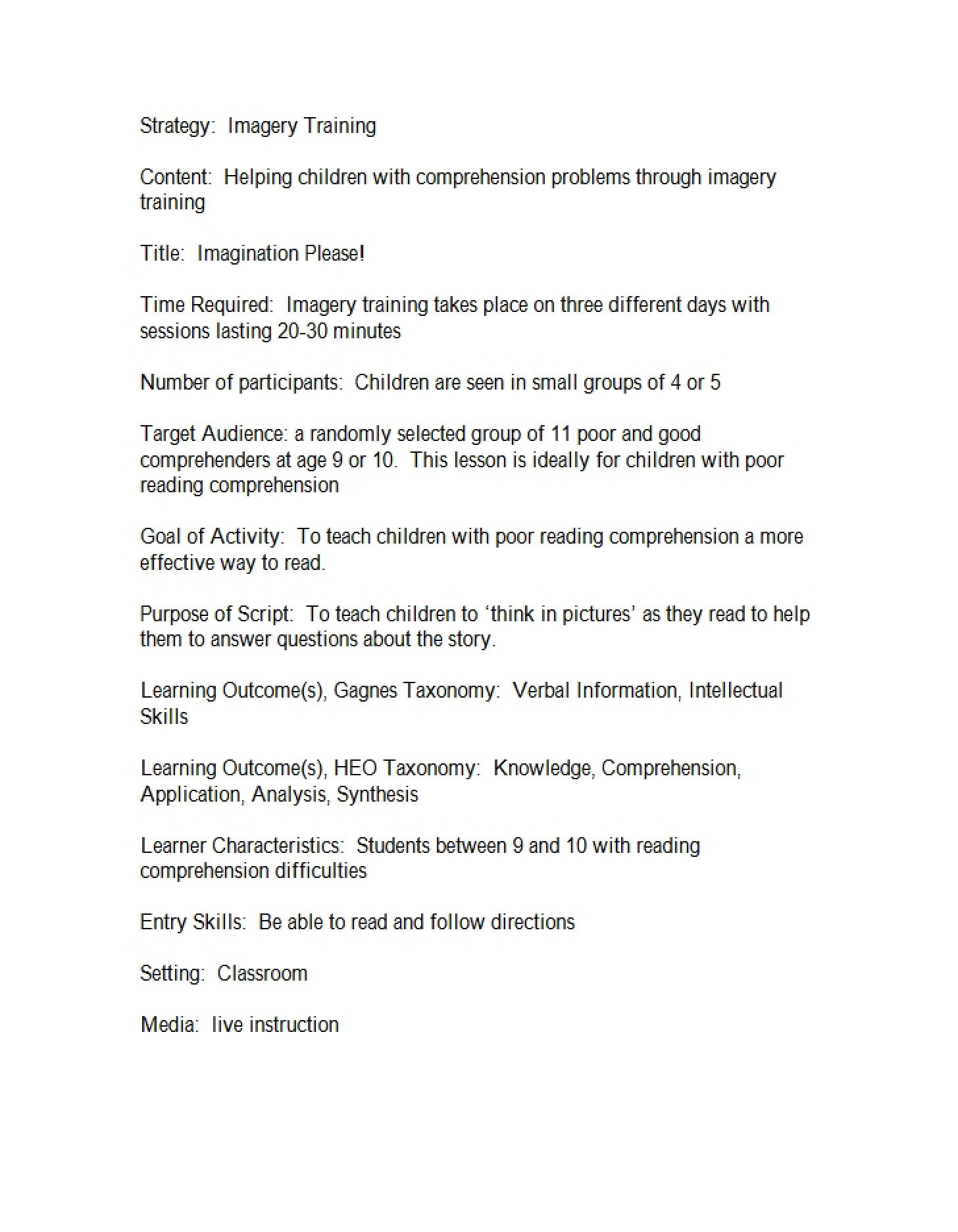
* Key learning taxonomies (Gagné’s and HEO) applied to the training goals.
* References to relevant instructional design literature.