What This Document Is
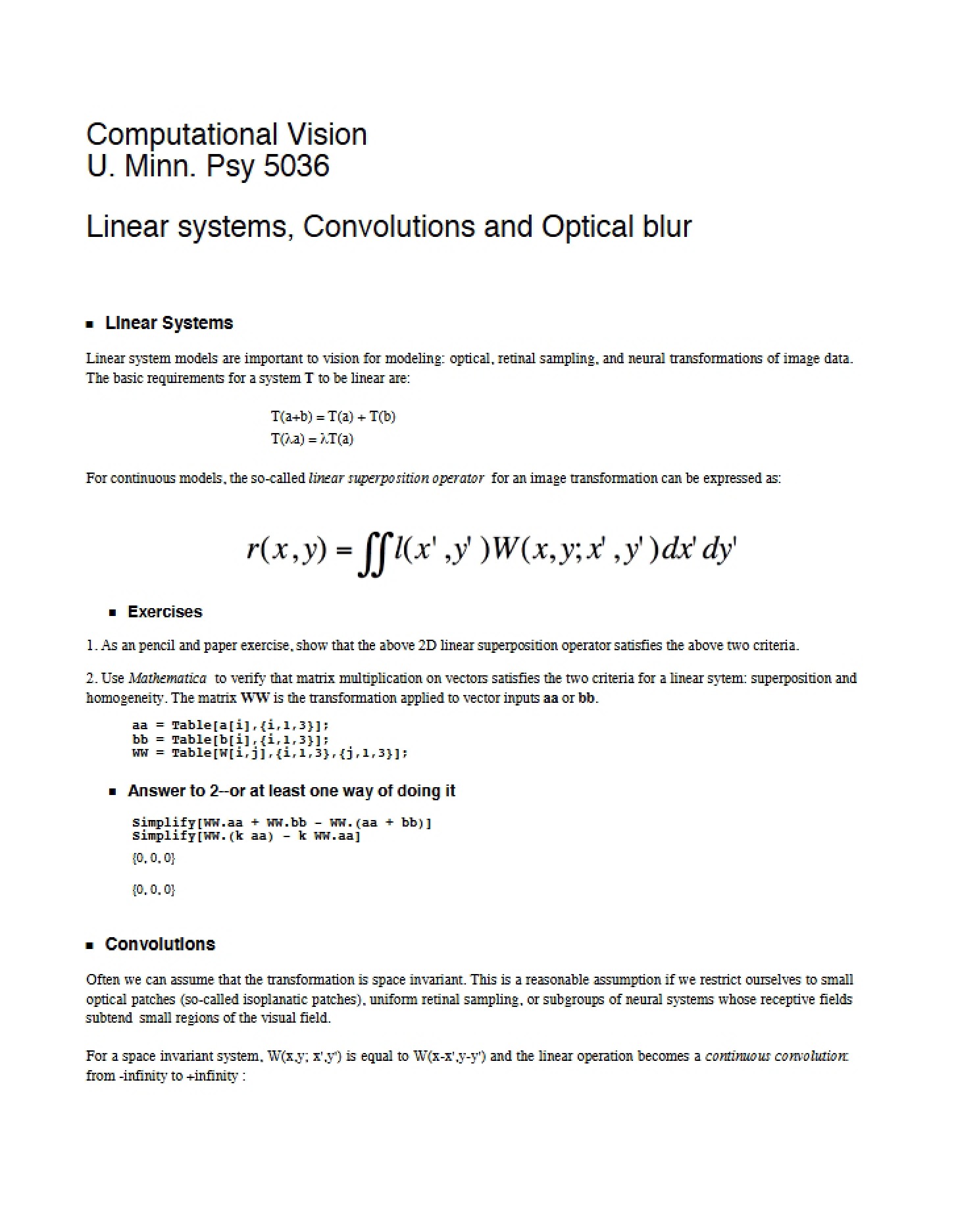
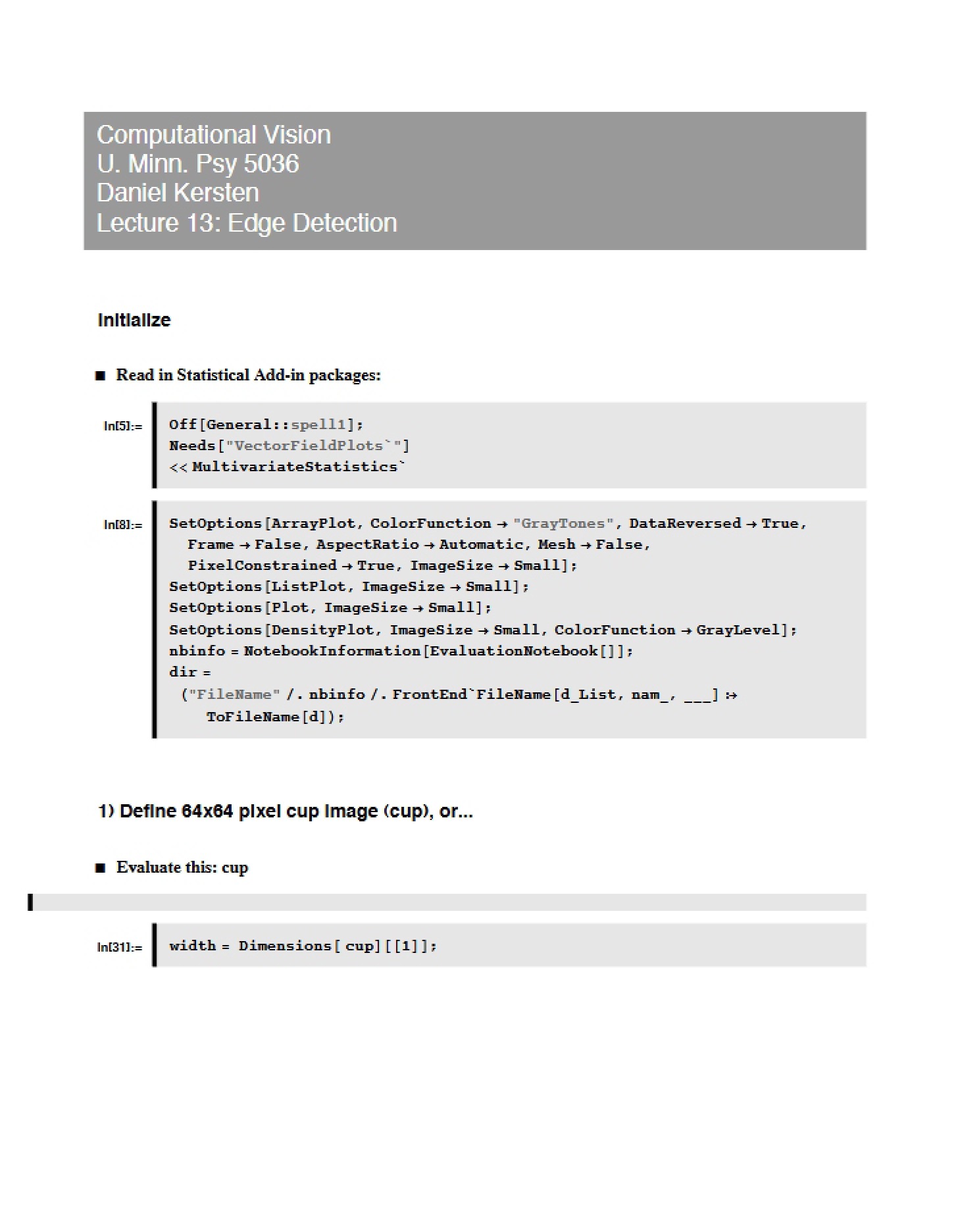
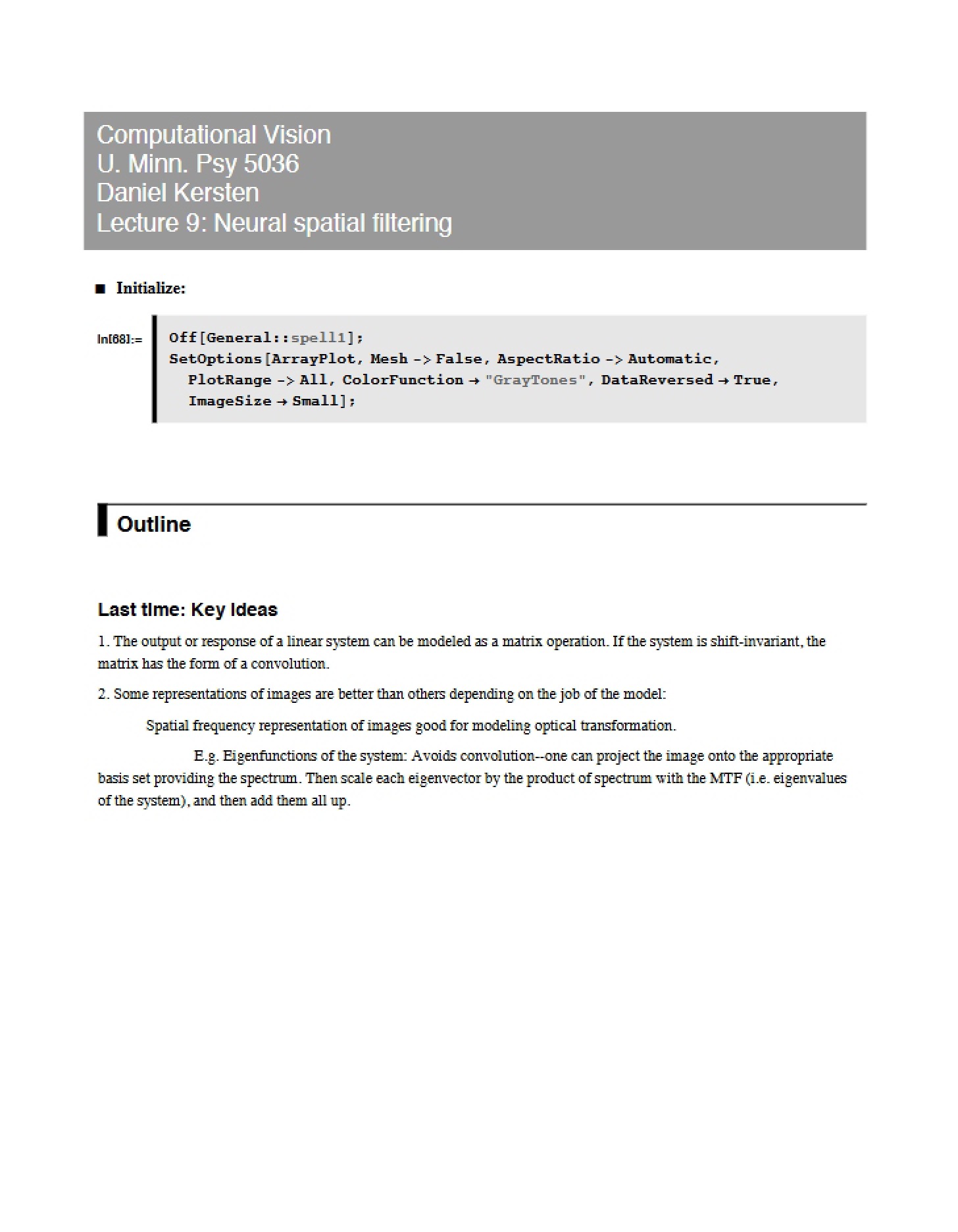
This material represents lecture notes from a Computational Vision course (PSY 5036W) at the University of Minnesota Twin Cities, specifically focusing on the topic of surface material properties. It delves into how surfaces are perceived and modeled computationally, bridging the gap between physics-based descriptions of light interaction and visual understanding. The content explores the complexities of representing real-world surfaces beyond simple shapes, considering factors that define how we visually interpret “stuff” – whether opaque, transparent, or particulate.
Why This Document Matters
This resource is invaluable for students in computer vision, psychology, or related fields interested in the underlying mechanisms of visual perception. It’s particularly useful for those seeking a deeper understanding of how computational models can simulate and explain how humans perceive material characteristics like color, texture, and transparency. It would be beneficial when studying image formation, rendering, or the neural processes involved in interpreting the visual world. Anyone aiming to build more realistic computer graphics or develop advanced image analysis techniques will find this material relevant.
Common Limitations or Challenges
This document presents a theoretical framework and foundational concepts. It does *not* offer step-by-step programming tutorials or ready-made code implementations. While it references established models, it doesn’t provide a complete, exhaustive survey of all surface representation techniques. The material assumes a foundational understanding of concepts like Fourier representations, radiance, and irradiance. It focuses on the principles rather than detailed experimental procedures.
What This Document Provides
* An exploration of different categories of materials encountered in visual perception.
* Discussion of the role of reflectance and lightness constancy in material perception.
* Introduction to physics-based modeling of surfaces using Bidirectional Reflectance Distribution Functions (BRDFs).
* Overview of models like the Ward reflection model for image creation based on surface properties.
* Connections between material perception and broader concepts like count/mass nouns.
* References to further resources and research in the field of computer graphics and vision.