What This Document Is
This study guide provides a comprehensive overview of research methodologies commonly employed in the field of psychology, specifically within the context of understanding drugs and their effects on the brain. It delves into the core principles underpinning different research approaches, offering a detailed exploration of their strengths and limitations. This resource is designed to help students navigate the complexities of research design and interpretation.
Why This Document Matters
This guide is invaluable for students enrolled in advanced psychology courses, particularly those focusing on psychopharmacology or behavioral neuroscience. It’s especially helpful when preparing for exams, completing research projects, or needing a solid foundation for understanding published research articles. Students who are aiming to critically evaluate scientific studies and design their own investigations will find this resource particularly beneficial. It’s a key resource for anyone seeking to understand *how* we know what we know about the brain and drug effects.
Topics Covered
* Distinguishing characteristics of observational, correlational, and experimental research designs.
* Detailed examination of various observational methods, including naturalistic, participant, and archival research.
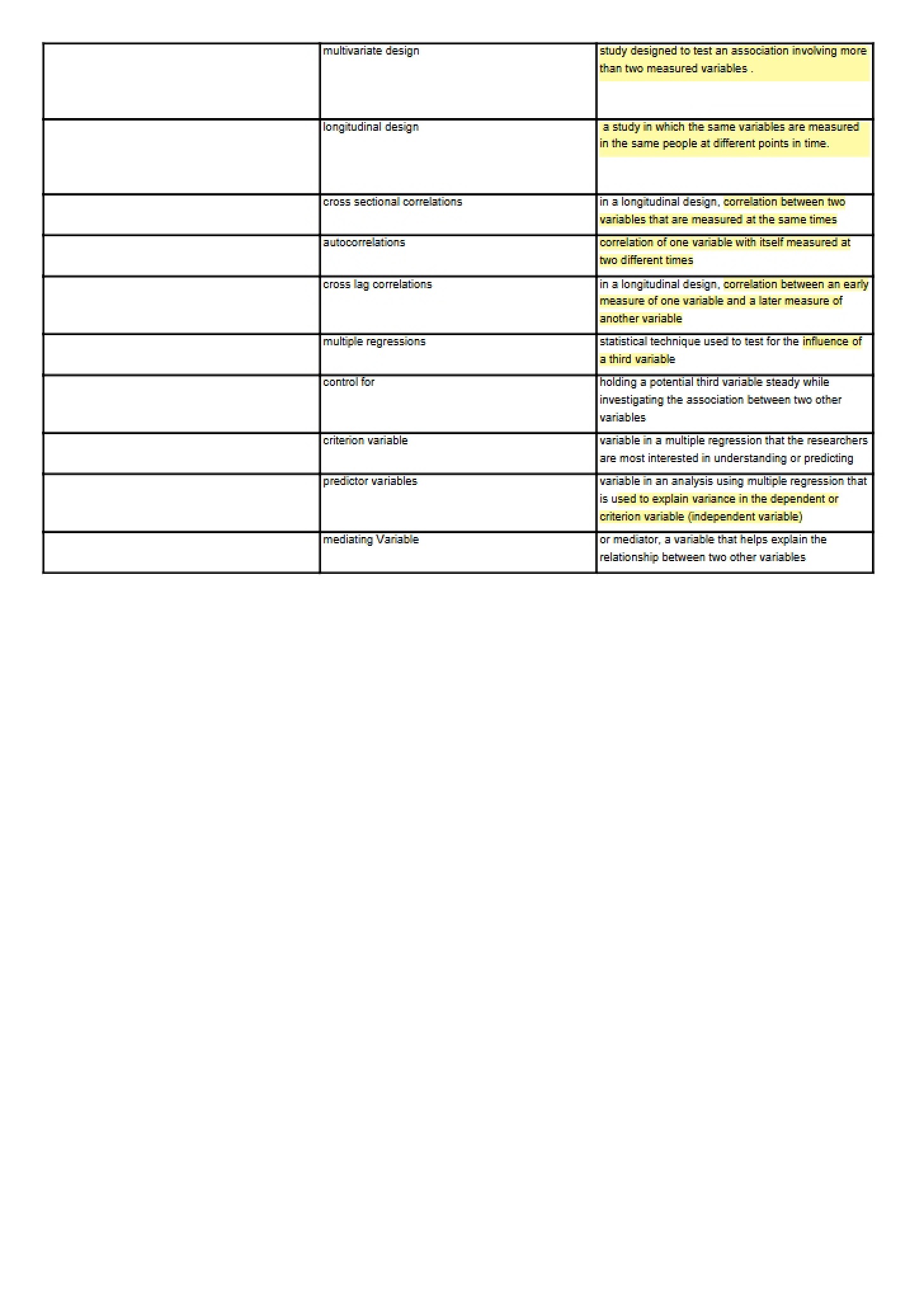
* Understanding correlation coefficients and interpreting relationships between variables.
* In-depth analysis of experimental research, including field and laboratory experiments.
* Key concepts of internal and external validity and their importance in research design.
* Potential challenges and biases in research, such as demand characteristics and experimenter effects.
* Identification and definition of independent and dependent variables.
What This Document Provides
* A structured comparison of different research methodologies.
* An exploration of the advantages and disadvantages associated with each research approach.
* Discussion of factors influencing the quality and interpretability of research findings.
* A framework for evaluating the strengths and weaknesses of published research.
* Key terminology and definitions related to research methods in psychology.
* Considerations for balancing internal and external validity in experimental designs.