What This Document Is
This resource is a focused study guide designed to support students enrolled in Conflict Resolution and Peace Research (IR 318) at the University of Southern California. It centers on a curated set of key terms and concepts crucial to understanding the theoretical foundations of conflict and peace. The guide breaks down complex ideas into manageable definitions and explores their interconnectedness within the broader field of international relations. It’s intended to be a concentrated review tool, not a comprehensive textbook replacement.
Why This Document Matters
Students preparing for assessments – particularly a midterm examination – will find this study guide exceptionally valuable. It’s ideal for those looking to solidify their understanding of core vocabulary and the fundamental principles discussed in IR 318 lectures and readings. Individuals who benefit most will be those actively seeking to improve their recall and application of theoretical frameworks related to the causes, dynamics, and potential resolutions of conflict. Utilizing this guide can help streamline your study process and pinpoint areas needing further attention.
Common Limitations or Challenges
This study guide is specifically tailored to the terminology emphasized within the IR 318 course. It does *not* offer exhaustive coverage of all possible conflict resolution concepts, nor does it provide complete historical context for every term. It’s also important to note that this resource is designed to *supplement* – not replace – required course materials like textbooks, assigned readings, and lecture notes. It won’t provide in-depth case studies or detailed analyses of specific conflicts.
What This Document Provides
* A compilation of essential terms related to the origins and escalation of conflict.
* Exploration of concepts surrounding resource competition and its link to violence.
* Definitions of key ideas related to power dynamics and security.
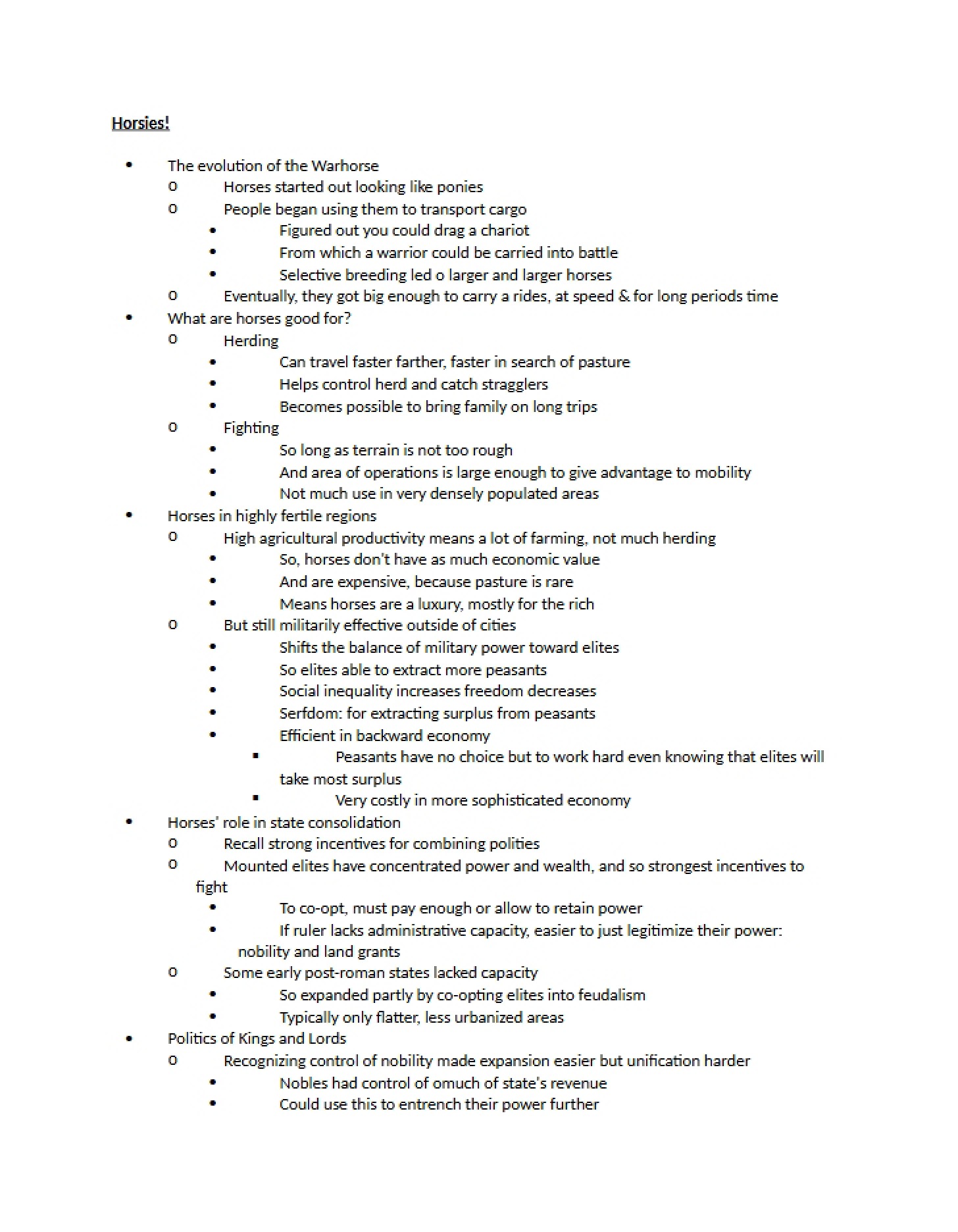
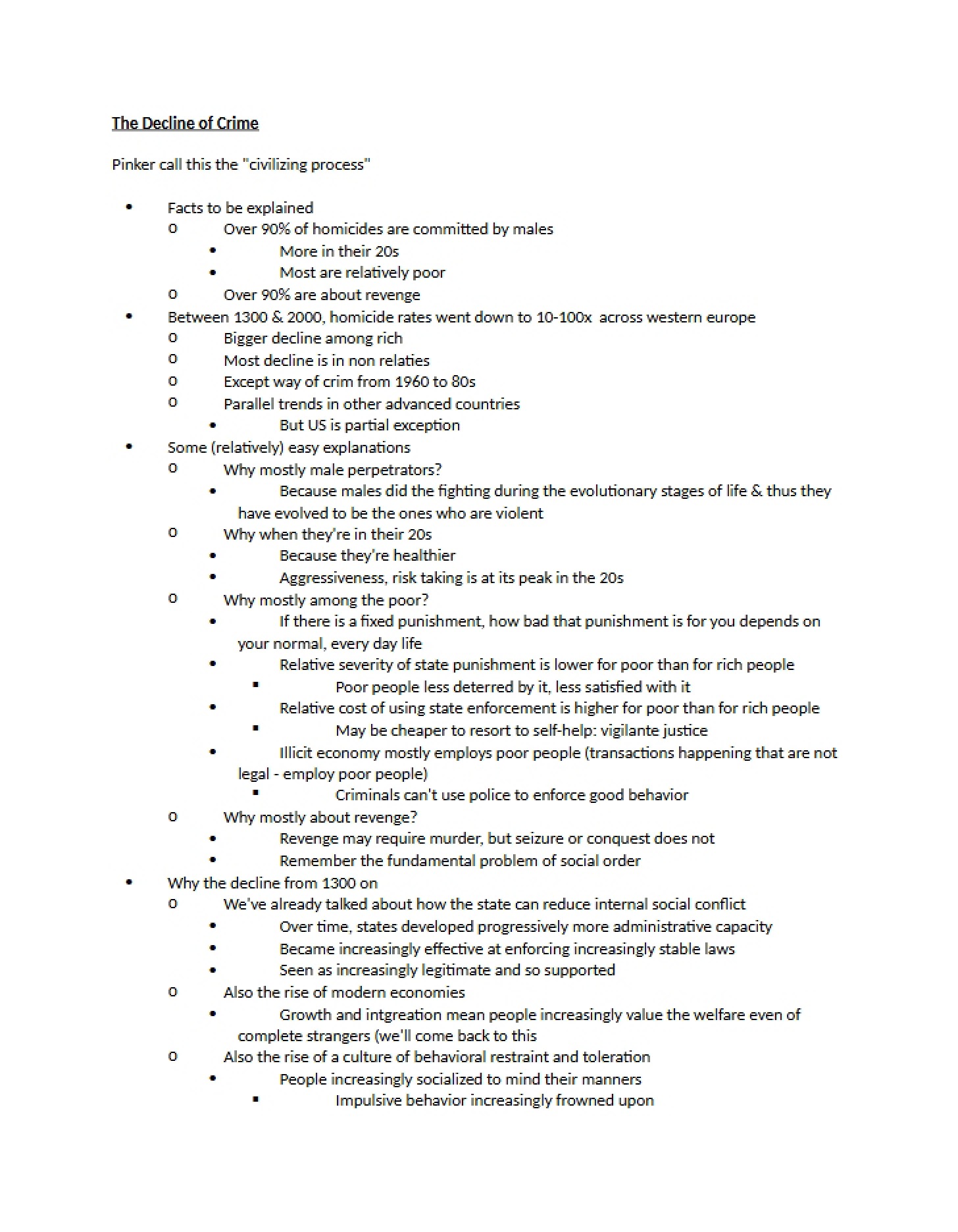
* Insights into the interplay between evolutionary factors and human conflict.
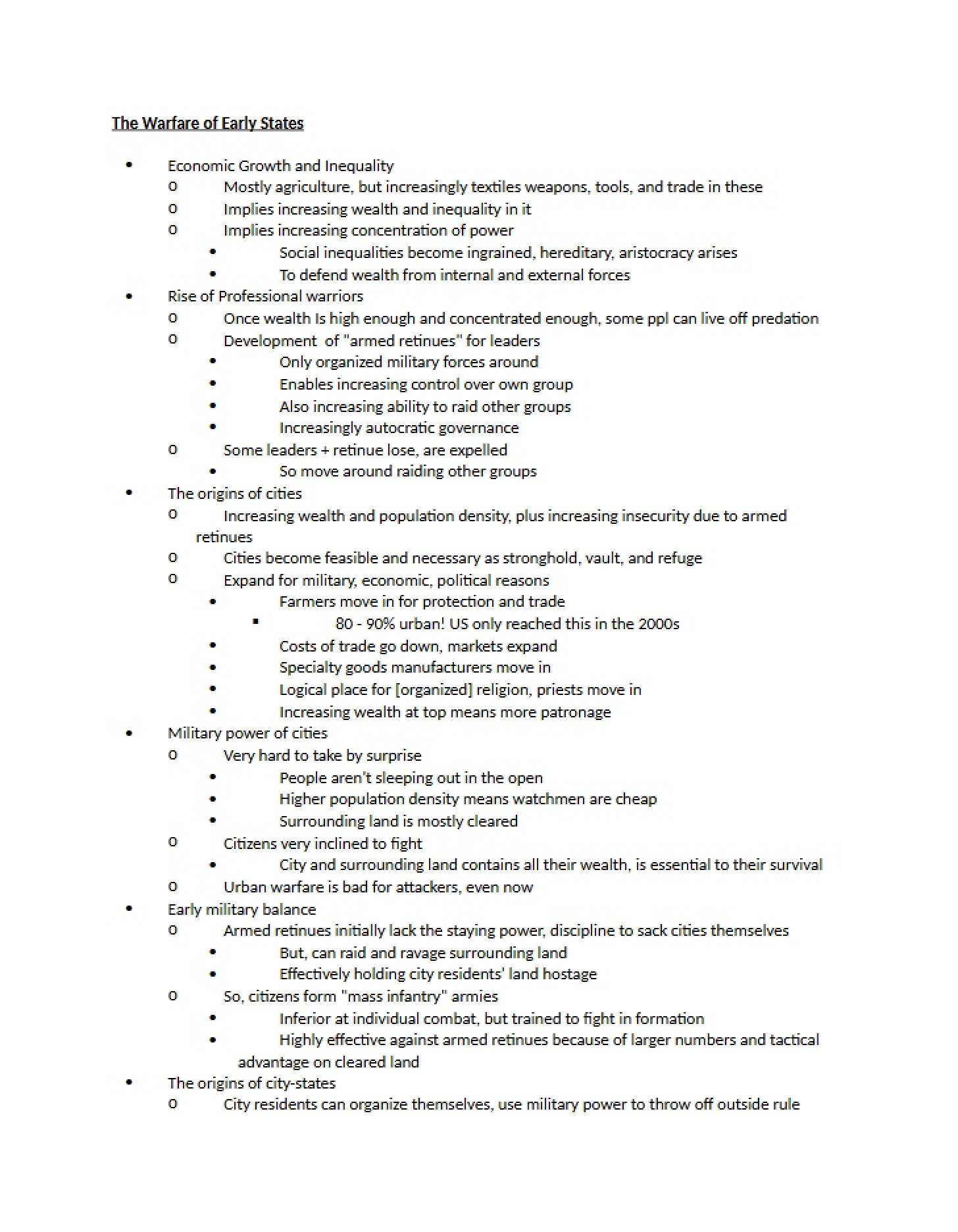
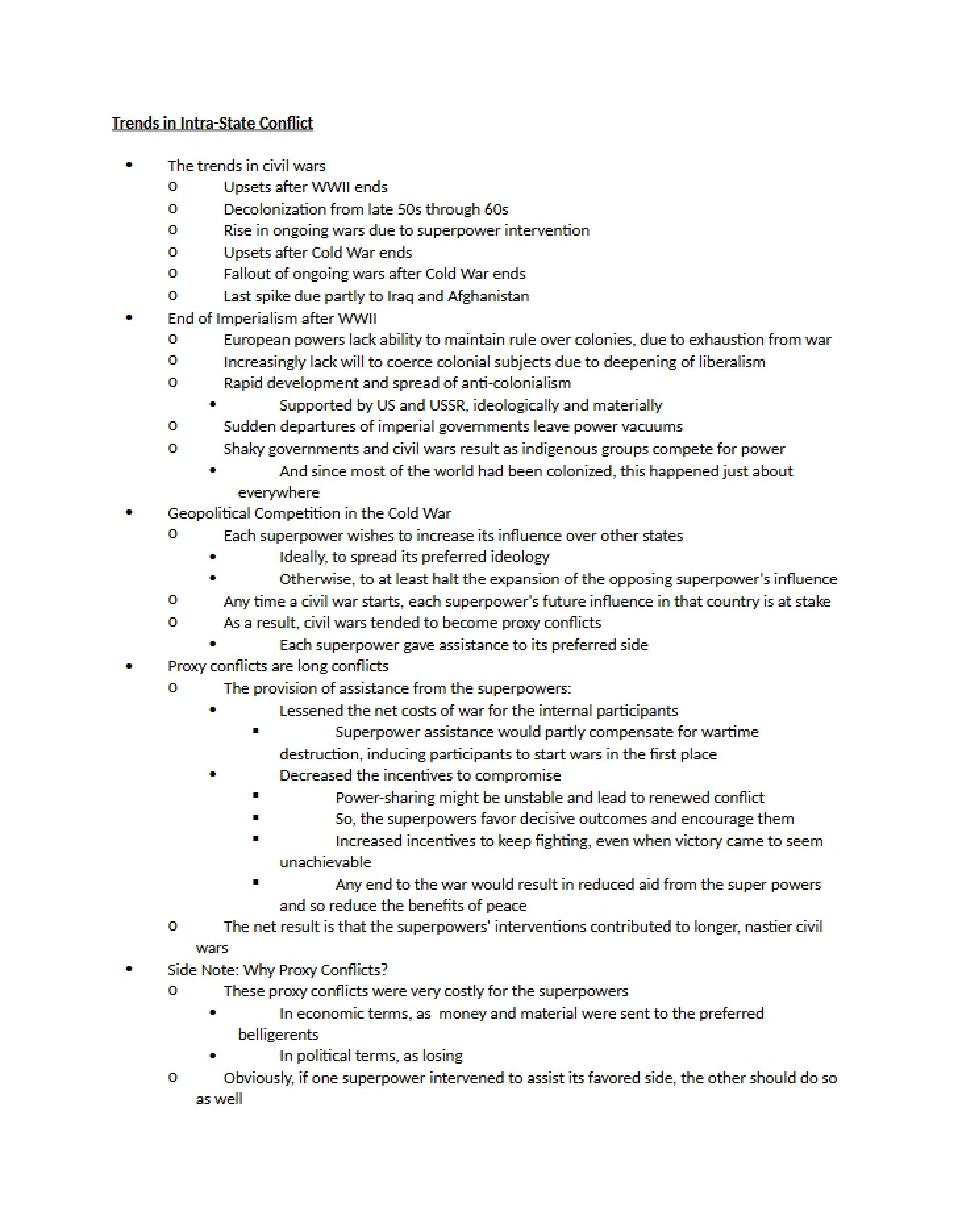
* Examination of historical systems and their impact on conflict patterns.
* Clarification of concepts related to social structures and dominance hierarchies.