What This Document Is
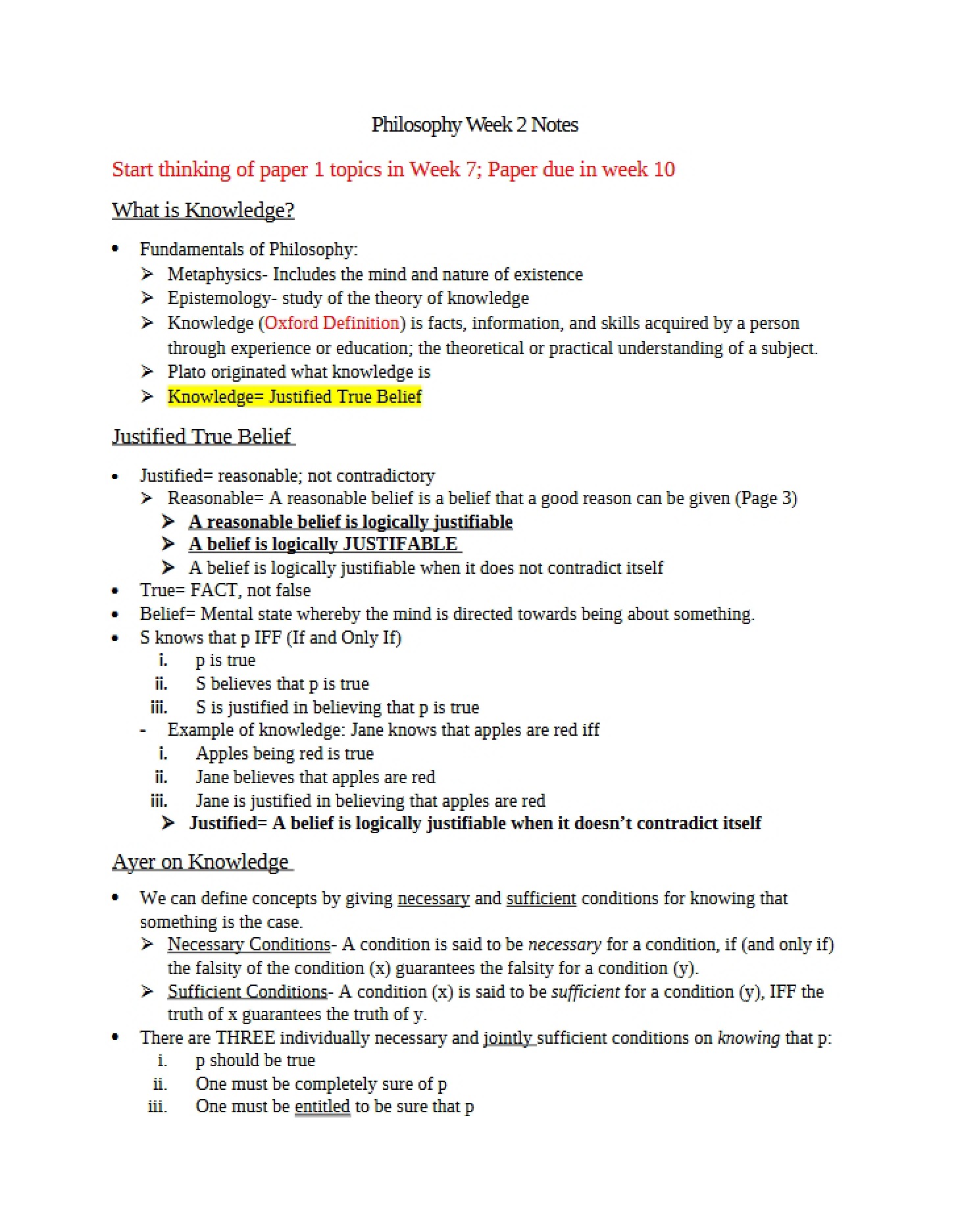
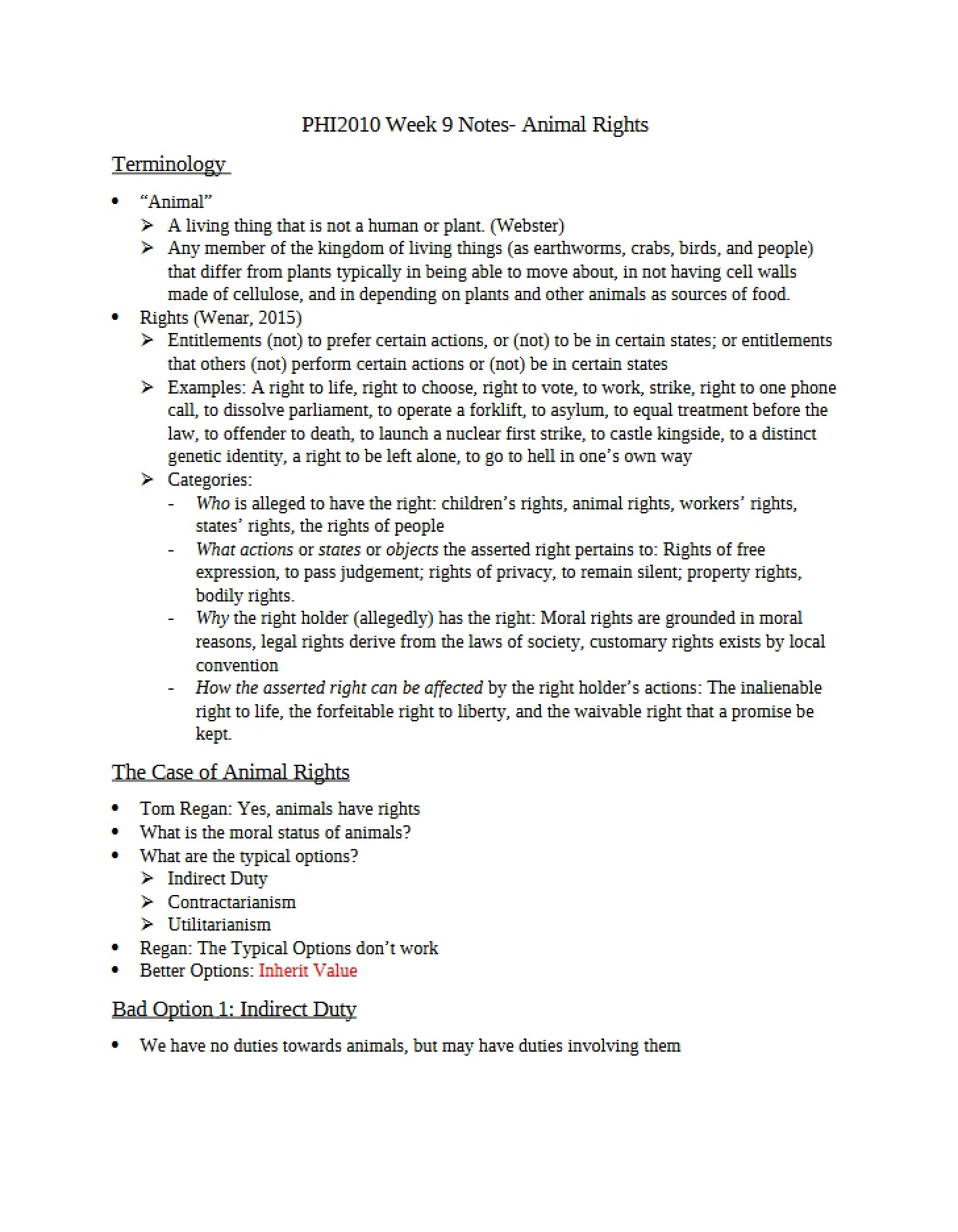
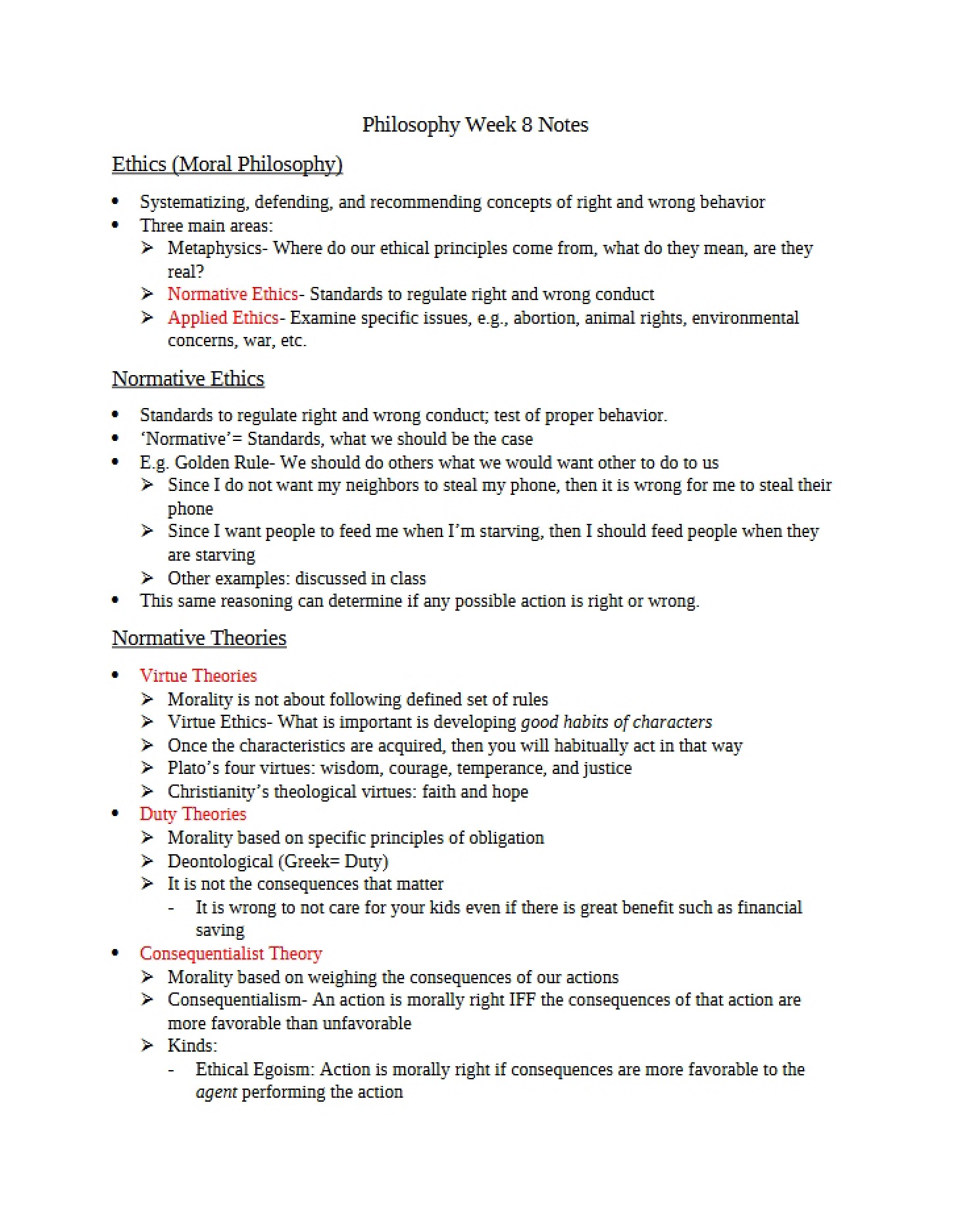
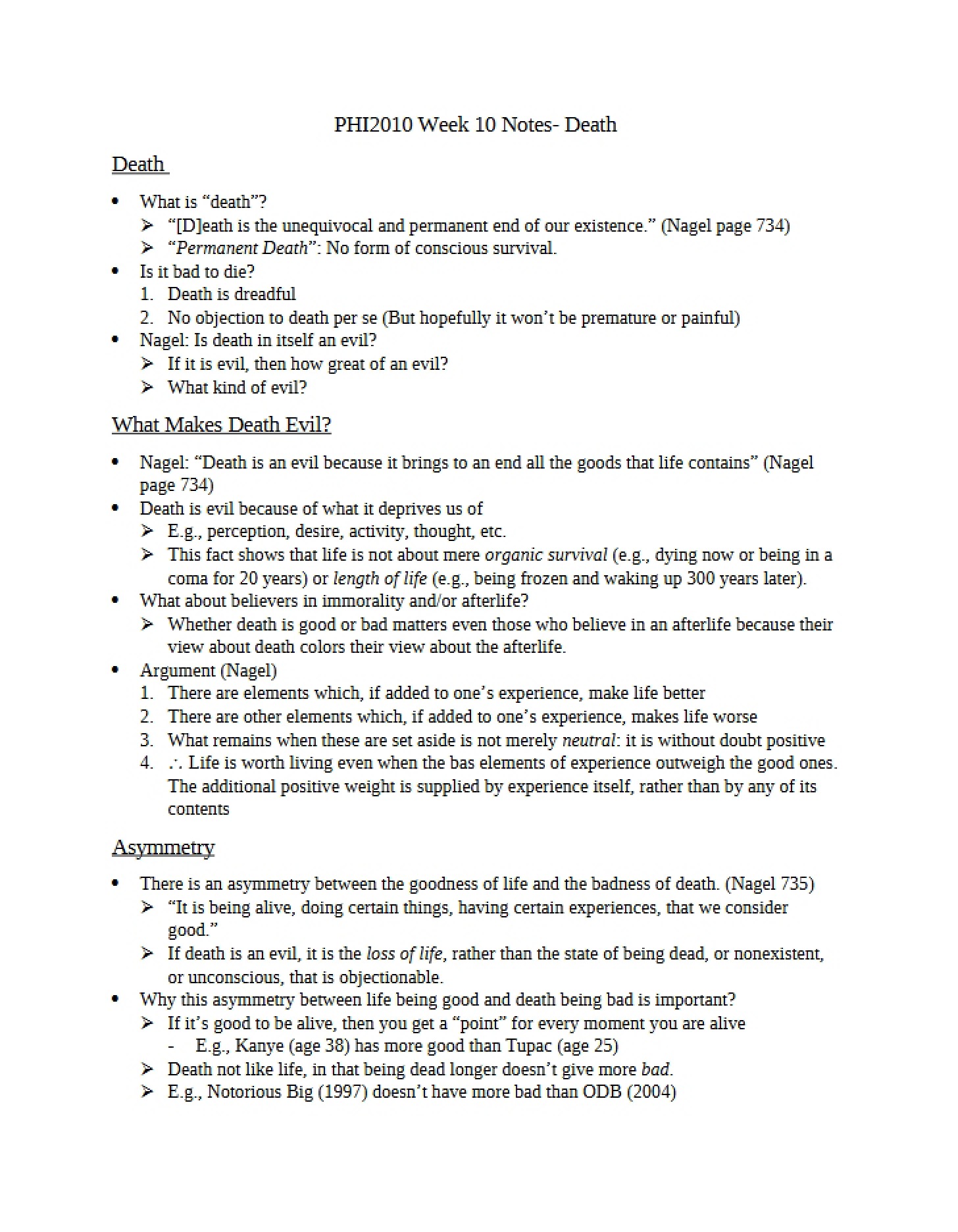
This study guide provides a comprehensive overview of key concepts and philosophical arguments related to the mind-body problem, as explored in Week 4 of Introduction to Philosophy (PHI 2010) at the University of Central Florida. It delves into the historical and contemporary perspectives on the nature of the mind, its relationship to the physical world, and the challenges of understanding consciousness. This resource is designed to supplement lectures and readings, offering a structured framework for grasping complex philosophical ideas.
Why This Document Matters
This guide is invaluable for students seeking to solidify their understanding of foundational concepts in the philosophy of mind. It’s particularly helpful when preparing for quizzes, exams, or class discussions. Students who are grappling with the intricacies of dualism, materialism, and the challenges of defining both ‘mind’ and ‘body’ will find this resource particularly beneficial. It’s best used *alongside* course materials to enhance comprehension and retention.
Topics Covered
* Historical development of epistemological and metaphysical inquiry.
* Descartes’ Method of Doubt and the “Cogito Ergo Sum” argument.
* The core tenets of Mind-Body Dualism and the associated problems.
* Critiques of dualism, including the “Ghost in the Machine” argument and Category Mistakes.
* Alternative perspectives on the mind-body relationship, including physicalism and materialism.
* The “Body Problem” and the challenges of defining physicality.
* Different versions of dualism and their implications.
What This Document Provides
* A focused exploration of key philosophical figures and their contributions to the debate surrounding the mind-body problem.
* A structured presentation of complex arguments, facilitating deeper understanding.
* An overview of the central questions and challenges within the philosophy of mind.
* A framework for analyzing different philosophical positions on the nature of consciousness and its relation to the physical world.
* Key terminology and concepts essential for navigating this area of philosophical inquiry.