What This Document Is
This resource is a focused exploration of geometric modeling techniques, a core component of Computer Aided Drafting and Design (CAD). Developed for students in MAE 455 at West Virginia University, it delves into the historical development and fundamental principles behind representing three-dimensional objects within a computer environment. It examines various modeling approaches, laying the groundwork for advanced CAD applications. This isn’t a software tutorial, but a foundational understanding of *how* digital geometry is constructed.
Why This Document Matters
This material is essential for anyone pursuing a career in mechanical engineering, design, manufacturing, or related fields. It’s particularly valuable for students needing a strong theoretical base before tackling complex CAD software. Understanding these concepts will improve your ability to create, analyze, and modify 3D models effectively. It’s best utilized during the initial stages of learning CAD, or when seeking to deepen your comprehension of the underlying principles driving the software you use. It will also be helpful when preparing for more advanced topics like finite element analysis or computer-aided manufacturing.
Common Limitations or Challenges
This resource focuses on the *concepts* of geometric modeling. It does not provide step-by-step instructions for using specific CAD software packages. It won’t teach you how to operate a particular program, nor does it include practical exercises or hands-on projects. The document also presents a historical overview, meaning some techniques discussed may be less prevalent in modern workflows, though understanding their evolution is crucial. It assumes a basic level of mathematical aptitude.
What This Document Provides
* An overview of the historical progression of geometric modeling, from early wireframe techniques to modern approaches.
* A comparative analysis of different modeling methodologies, including wireframe, surface, and solid modeling.
* Explanations of key solid modeling functions and techniques.
* Descriptions of fundamental shape creation methods, such as primitive creation and Boolean operations.
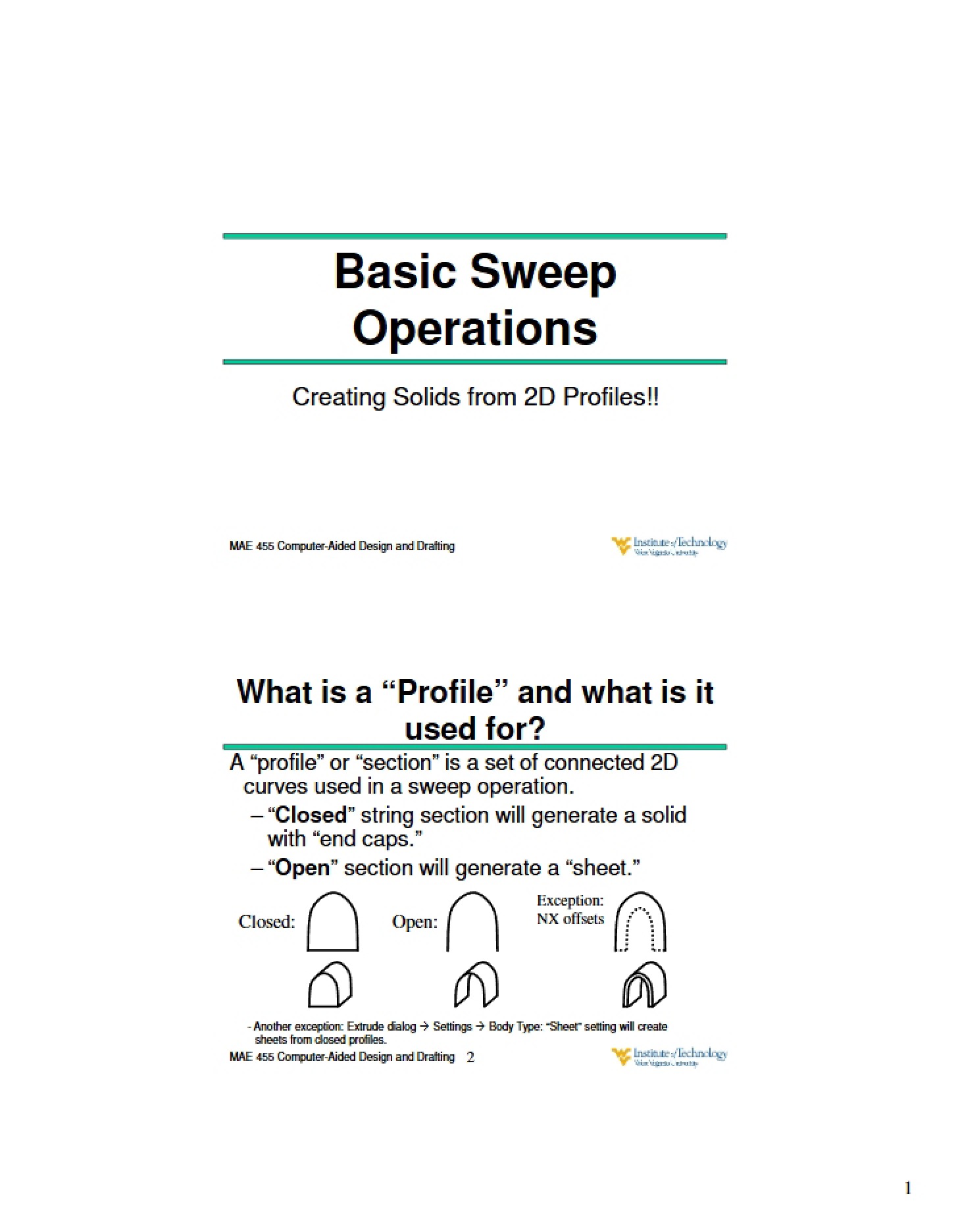
* An introduction to advanced modeling concepts like sweeping and feature-based modeling.
* Discussion of the strengths and weaknesses of each modeling approach.