What This Document Is
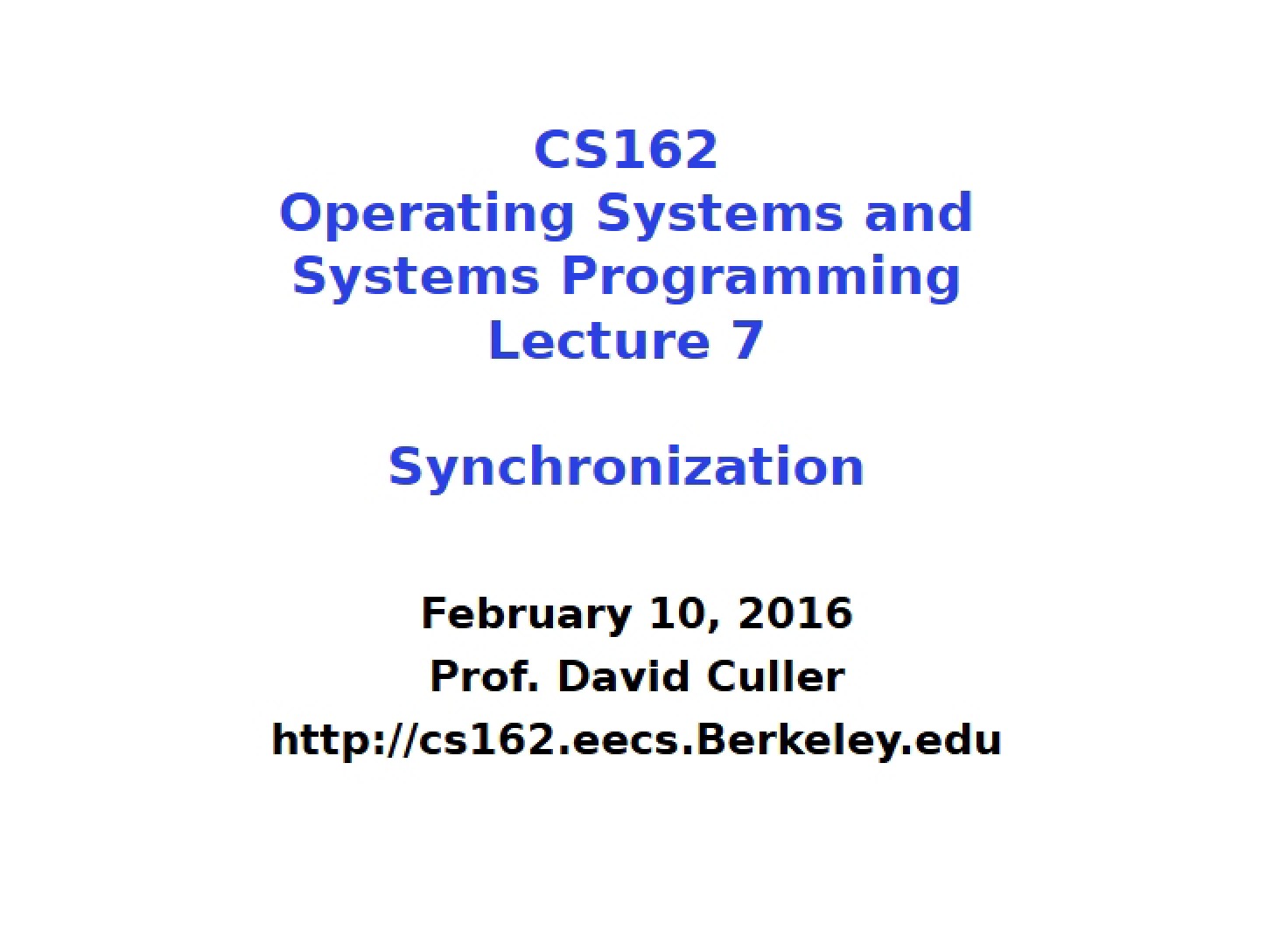
This document represents Module Fourteen for CS162: Operating Systems and Systems Programming at UC Berkeley. It consists of lecture materials focusing on advanced memory management techniques. Specifically, it builds upon prior concepts of caching and introduces the critical topic of demand paging – a core component of modern operating system design. The material is presented in a lecture format, likely accompanied by visual aids and designed for in-depth understanding.
Why This Document Matters
This module is essential for students aiming to grasp how operating systems efficiently manage computer memory. It’s particularly valuable for those interested in system-level programming, performance optimization, and understanding the underlying mechanisms that enable multitasking and virtual memory. Reviewing this material will be beneficial when tackling assignments related to memory allocation, process management, and system calls. It’s ideal for students preparing for exams or seeking a deeper understanding of operating system internals.
Topics Covered
* Review of Caching Principles and Performance
* Address Translation and its impact on system performance
* The role of Translation Lookaside Buffers (TLBs) in memory access
* Page Faults: Causes, handling, and implications
* Transparent Exception Handling and its complexities
* Considerations for precise vs. imprecise interrupt handling
* TLB organization and design trade-offs
What This Document Provides
* A detailed exploration of the interaction between hardware and software in managing page tables.
* Discussion of the challenges involved in restarting faulting instructions.
* Analysis of potential issues arising from instruction side-effects during exception handling.
* Insights into the design considerations for memory management units (MMUs).
* A foundation for understanding advanced topics in virtual memory and operating system security.