What This Document Is
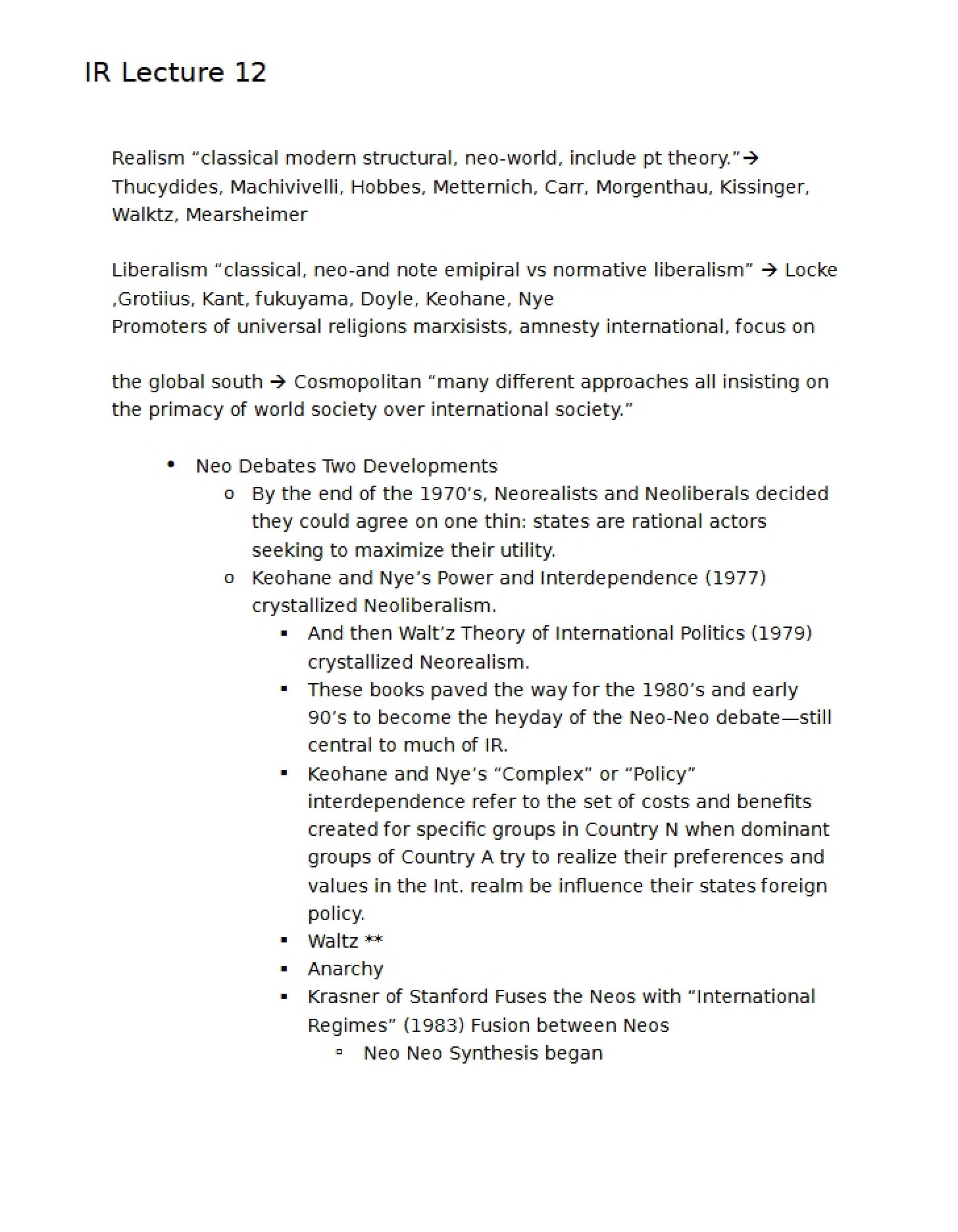
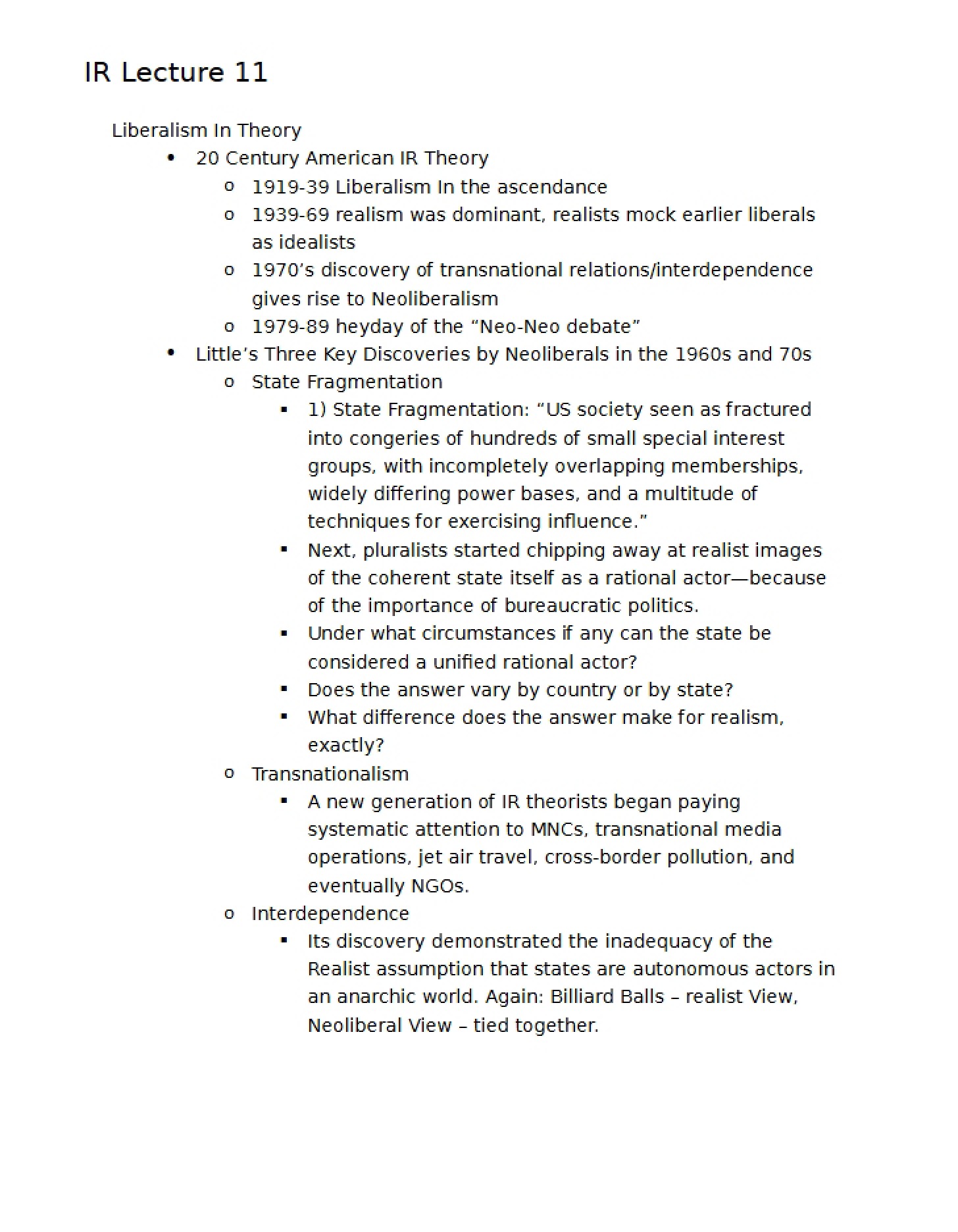
This resource offers a detailed exploration of foundational concepts within International Relations, specifically focusing on the school of thought known as Realism. It delves into the historical context of this perspective, tracing its dominance through a significant period in global politics and examining its relevance to major historical events. The notes cover core assumptions about the international system, state behavior, and the role of power, alongside a discussion of potential approaches to global order. It also introduces key thinkers associated with Realism and their contributions to the field.
Why This Document Matters
Students enrolled in introductory International Relations courses – and those preparing for more advanced study – will find this particularly valuable. It’s ideal for supplementing lectures, clarifying complex theoretical frameworks, and building a strong foundation for understanding key debates in the discipline. This resource is especially helpful when preparing to analyze historical case studies or evaluate contemporary geopolitical challenges through a realist lens. It’s designed to enhance comprehension of core IR theories, not to replace required readings, but to provide a focused overview.
Common Limitations or Challenges
This study guide concentrates on a specific theoretical tradition within IR – Realism – and does not offer a comprehensive overview of all perspectives. It focuses on foundational ideas and historical context, and doesn’t delve into contemporary applications or critiques of the theory in exhaustive detail. It also doesn’t provide pre-written answers to assignments or exam questions; rather, it aims to equip you with the knowledge to formulate your own informed responses.
What This Document Provides
* A breakdown of the core assumptions underpinning classical Realist thought.
* Historical context linking Realism to significant events like World War I and the interwar period.
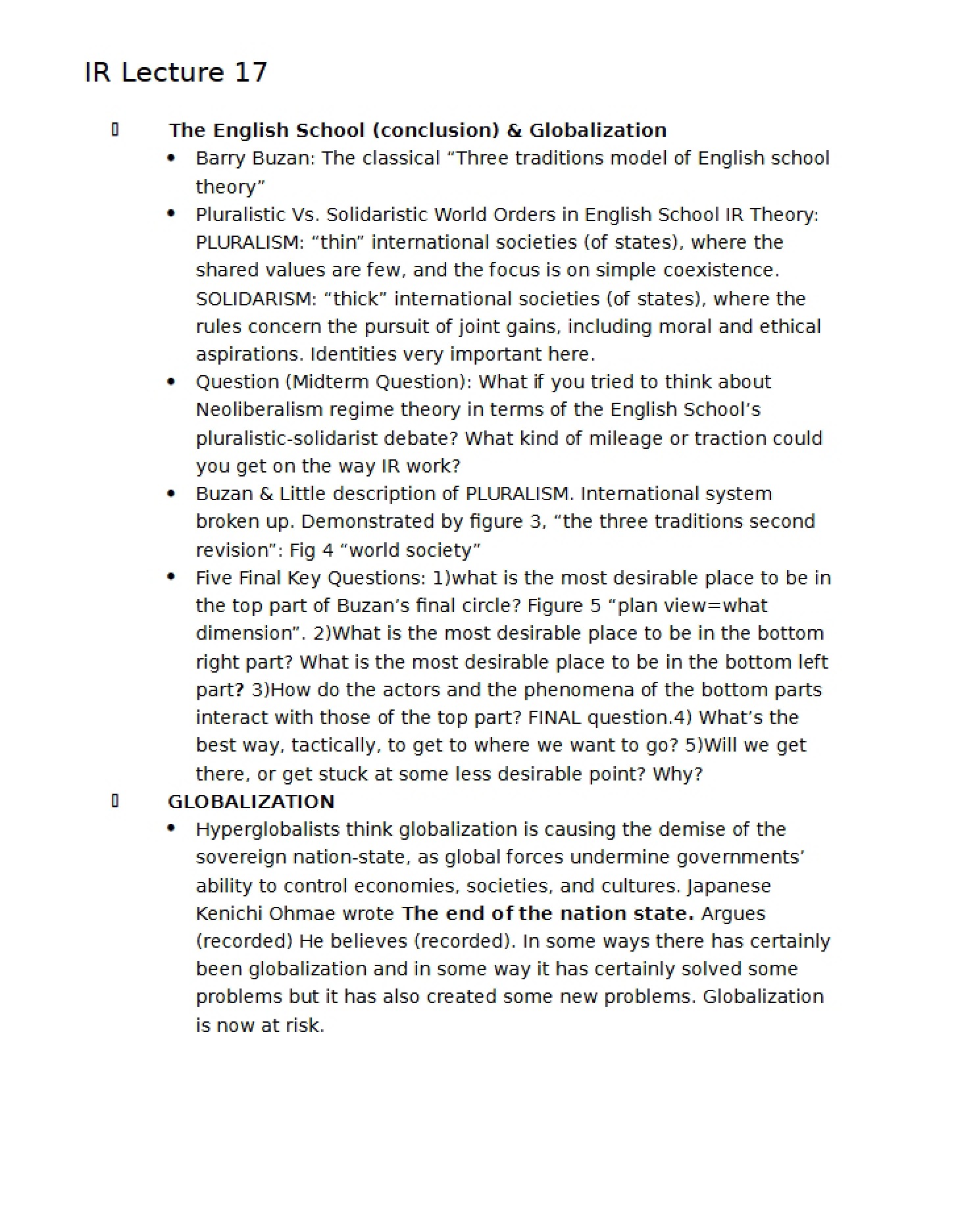
* An overview of different proposed models for international order.
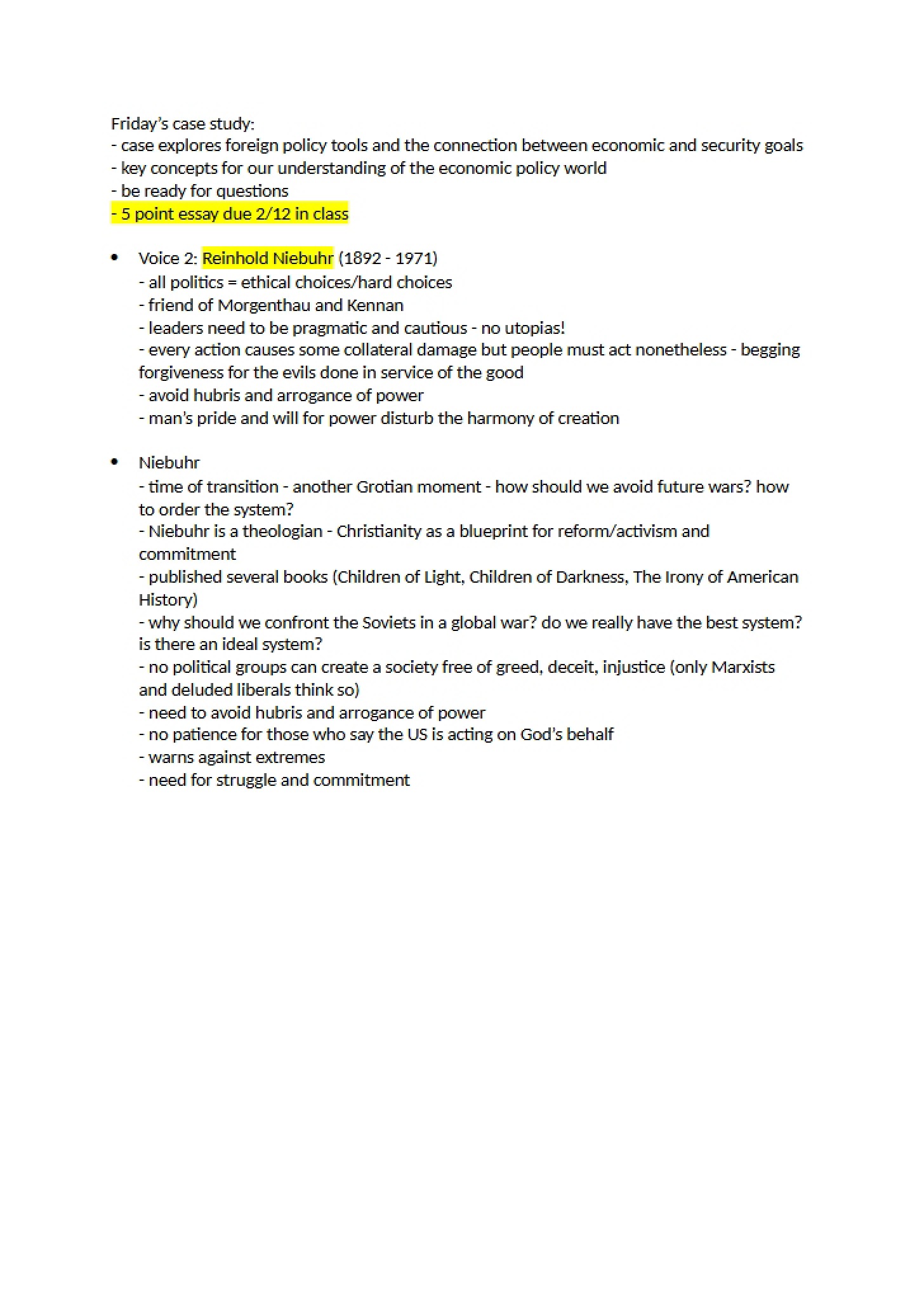
* An introduction to the ideas of a prominent 20th-century Realist thinker and their critique of alternative perspectives.
* Discussion points regarding the relationship between morality, power, and state behavior.
* Exploration of the challenges to international cooperation as viewed through a Realist framework.