What This Document Is
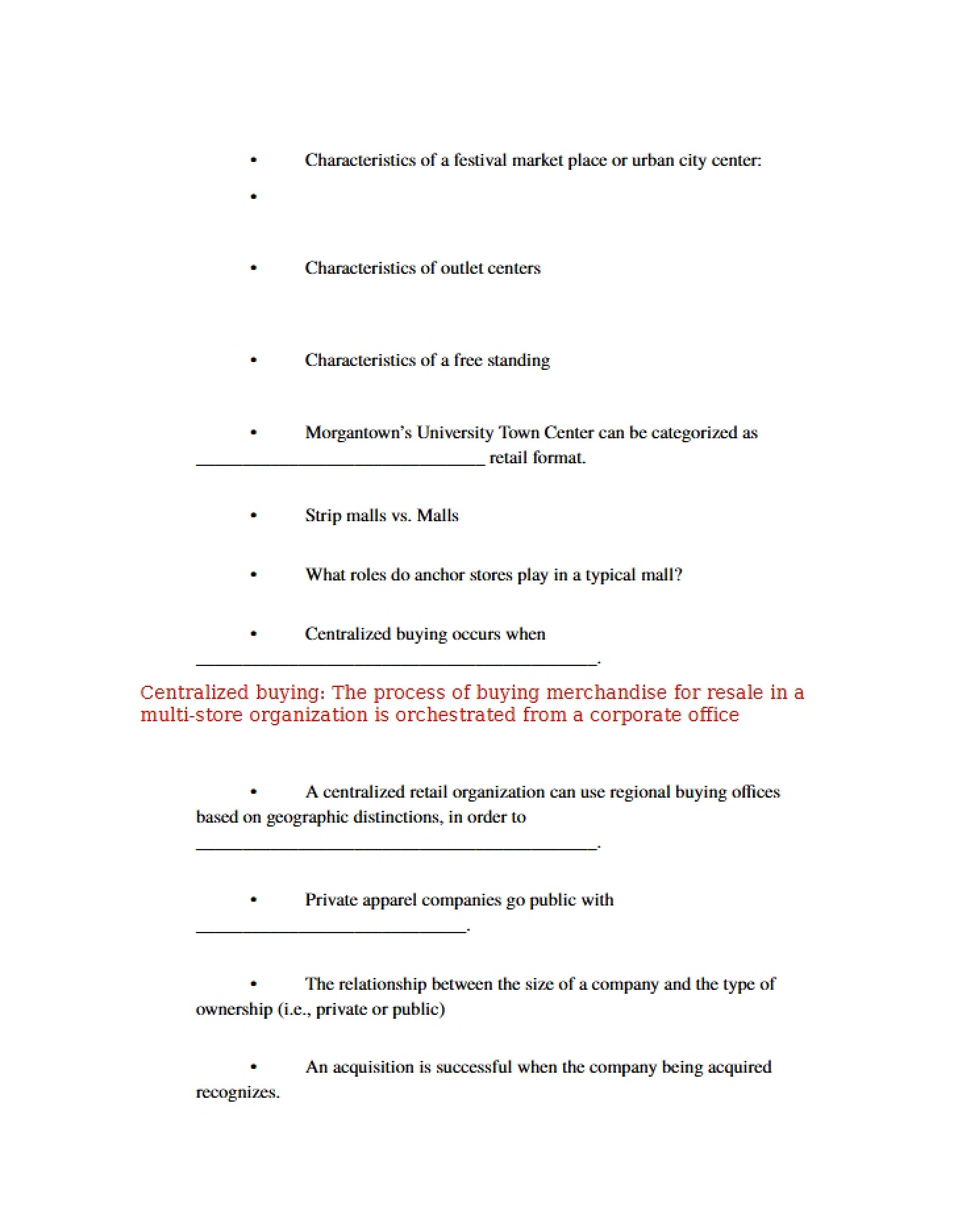
This document, “Notes 3” from FDM 361: Merchandise Planning & Control at West Virginia University, provides a focused exploration of retail locations and shopping center types. It delves into the characteristics, advantages, and disadvantages of various environments where merchandise is sold to consumers. The material examines both planned and unplanned retail spaces, offering a foundational understanding of how these locations impact merchandising strategies and customer behavior. It’s a core component of understanding the physical landscape of retail.
Why This Document Matters
Students pursuing careers in retail management, merchandising, buying, or planning will find this material particularly valuable. It’s essential for anyone needing to make informed decisions about where to locate a store, how to design a retail space, or how to tailor a merchandise assortment to a specific environment. This resource is most helpful when studying the external factors influencing retail success and when developing a comprehensive merchandise plan. Understanding these concepts is crucial for analyzing case studies and real-world retail scenarios.
Common Limitations or Challenges
This resource focuses specifically on the *types* of retail locations and their general attributes. It does not offer detailed financial analyses of location costs, specific demographic data for particular areas, or step-by-step guides to lease negotiation. It also doesn’t cover emerging retail formats in extensive detail, focusing on established models. The material provides a theoretical framework, and successful application requires further research and analysis.
What This Document Provides
* A categorization of unplanned shopping districts, including distinctions between different types.
* An overview of the evolution and current challenges facing traditional retail hubs.
* A detailed breakdown of planned shopping centers, categorized by size and tenant mix.
* Descriptions of various specialized shopping center formats beyond traditional malls.
* Key considerations regarding the relationship between shopping center type and merchandise strategy.
* Illustrative examples of different retail location types.