What This Document Is
This is a comprehensive study guide designed to help students prepare for the final exam in FDM 361: Merchandise Planning & Control at West Virginia University (Fall 2015). It focuses on key concepts and terminology covered throughout the course, aiming to solidify understanding of the principles governing the fashion and retail industries. The guide is formatted as a series of questions – both true/false and multiple choice – mirroring the anticipated exam format.
Why This Document Matters
This study guide is an invaluable resource for students seeking to maximize their performance on the final exam. It’s particularly useful for those who benefit from active recall and self-testing. Utilizing this guide will help identify areas of strength and weakness in your understanding of merchandise planning, retail buying, and consumer behavior. It’s best used in the weeks leading up to the exam, after completing coursework and reviewing lecture notes, as a focused method of content consolidation.
Common Limitations or Challenges
This study guide is *not* a substitute for attending lectures, completing assigned readings, or engaging with course materials. It does not provide detailed explanations of concepts, nor does it offer new information beyond what was presented in the course. It’s designed to *test* your knowledge, not to teach it from scratch. Furthermore, the questions presented are representative of the exam’s style but do not guarantee identical questions will appear on the actual assessment.
What This Document Provides
* A broad review of core concepts related to branding and consumer decision-making.
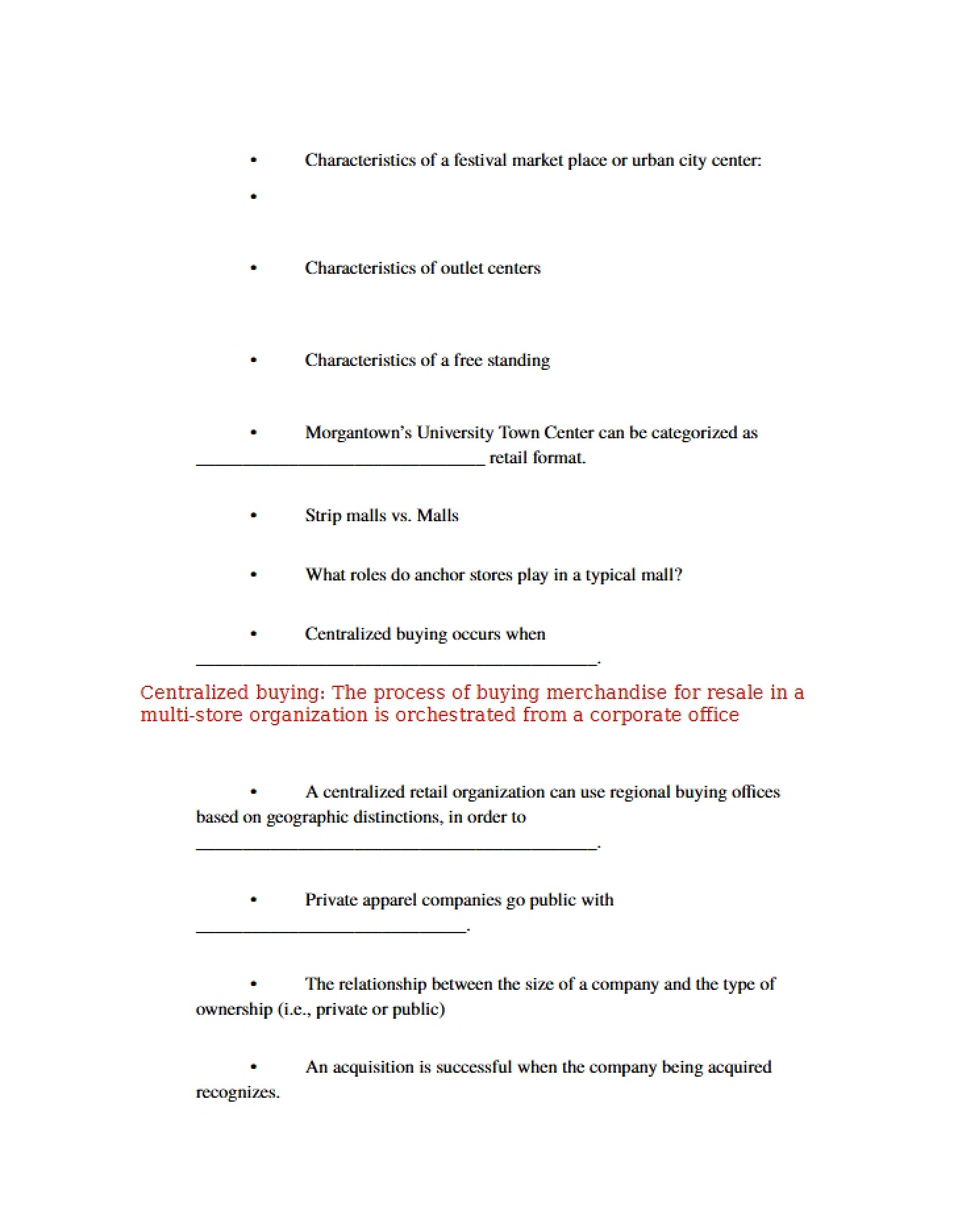
* Key terminology associated with retail structures and buying offices.
* Focus on understanding different types of retail outlets and their target markets.
* Exploration of the roles and responsibilities within the apparel industry’s sales force.
* Coverage of major U.S. market centers and their specializations.
* Questions relating to the fashion lifecycle and merchandising strategies.
* Review of factors influencing retail advertising and consumer purchasing habits.
* Assessment of understanding regarding the consumer decision-making process.