What This Document Is
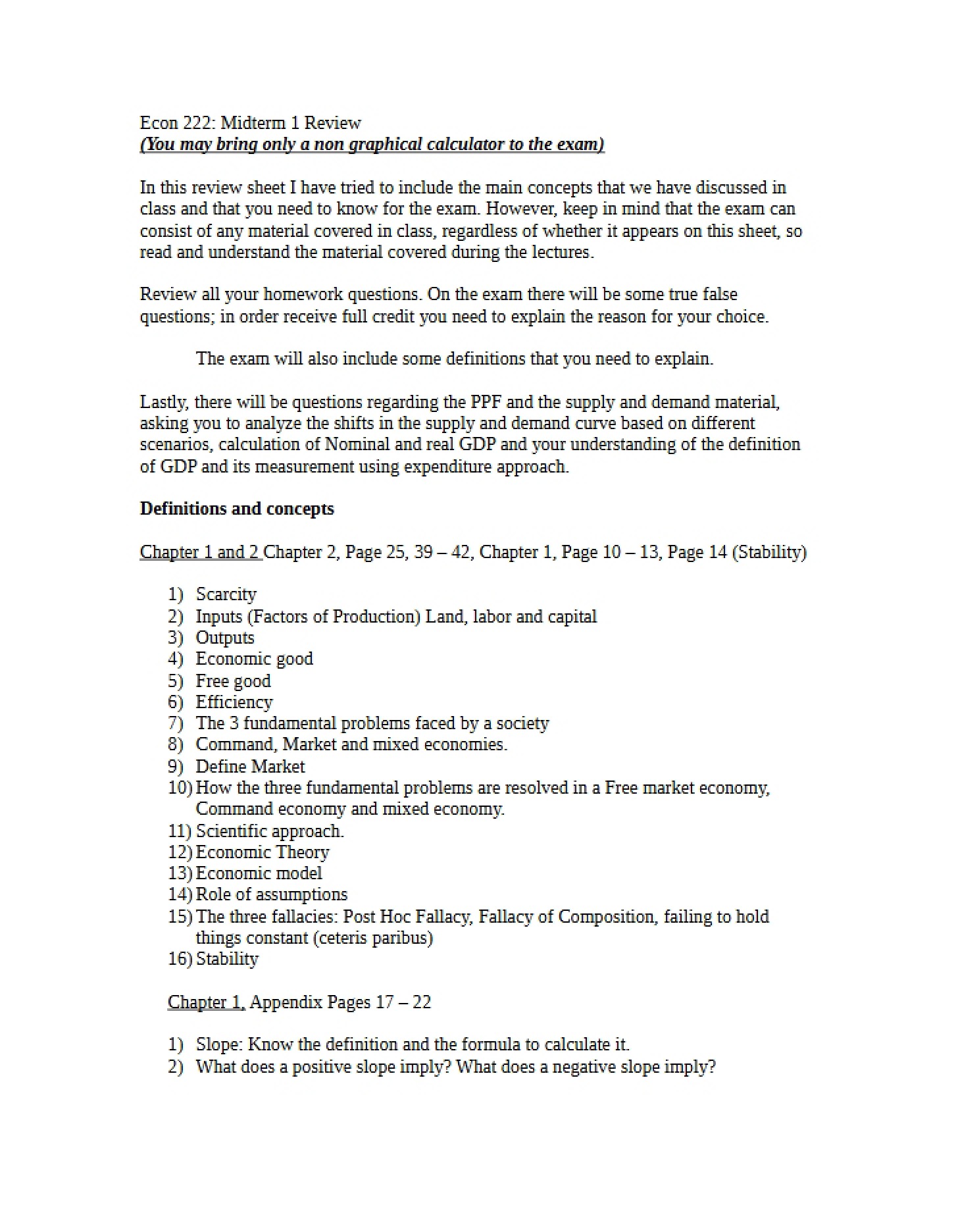
This study guide provides a foundational overview of core principles in macroeconomics, specifically designed for students in an introductory university course. It revisits and expands upon key concepts presented in the first chapter of a standard macroeconomics curriculum. The material focuses on establishing a common economic vocabulary and understanding the fundamental problems that economics seeks to address. It’s a comprehensive resource for building a strong base for more advanced topics.
Why This Document Matters
This guide is invaluable for students who are new to the field of economics, or those who need a refresher on basic economic concepts. It’s particularly helpful when preparing for quizzes and exams covering introductory material, or when tackling initial assignments that require applying economic reasoning. Students who find themselves struggling with the core definitions and underlying logic of economic thought will benefit greatly from a focused review of these principles. It’s best used *alongside* course lectures and assigned readings to reinforce understanding.
Common Limitations or Challenges
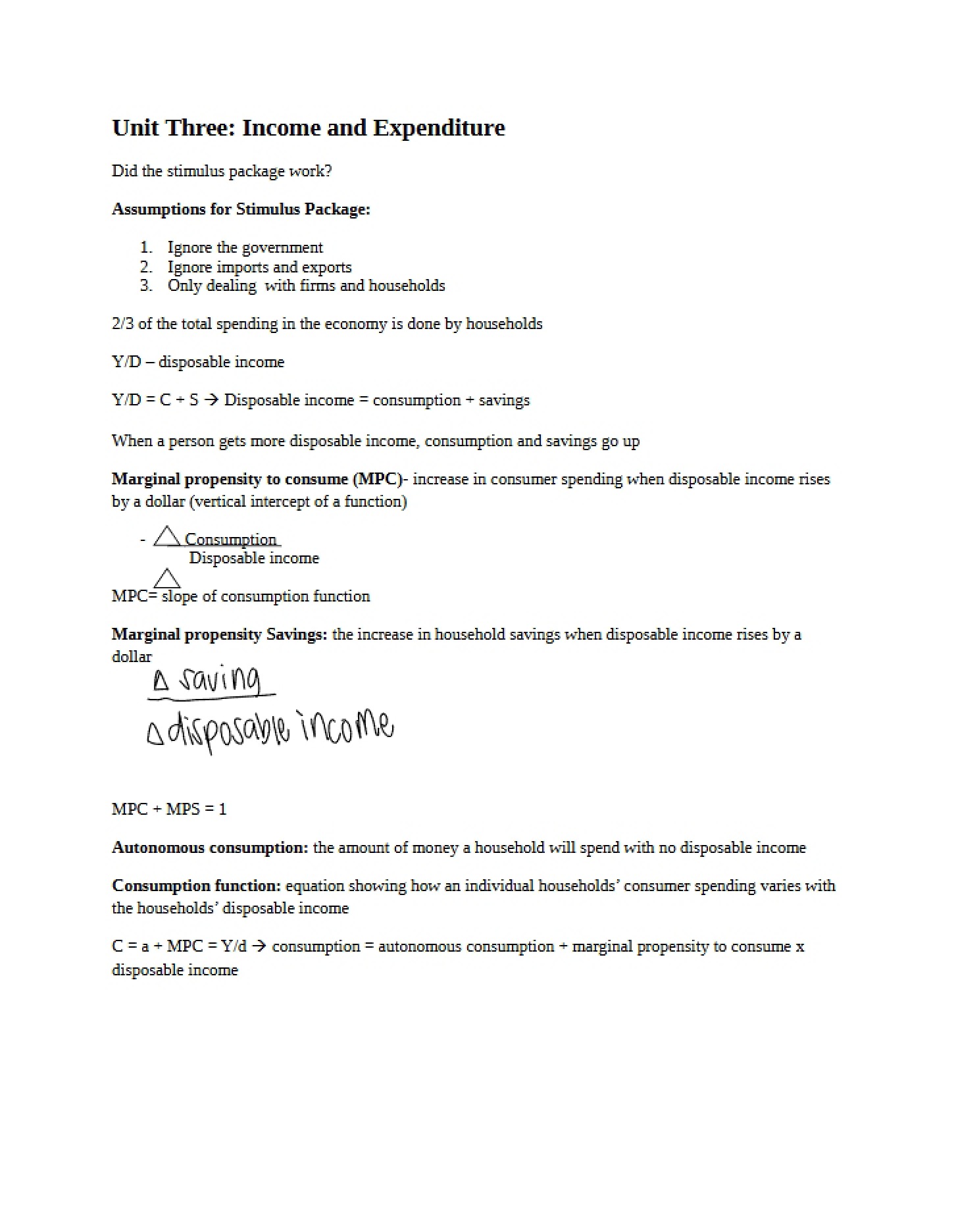
This guide is designed to *supplement* – not replace – your course materials. It does not include detailed mathematical derivations or complex graphical analyses. It also doesn’t offer specific solutions to problem sets or case studies. The material presented is foundational; it will not cover advanced macroeconomic models or current economic events in detail. It assumes a basic level of analytical thinking and a willingness to engage with economic concepts.
What This Document Provides
* A clear explanation of fundamental economic concepts like scarcity, resources, and economic systems.
* An overview of the key questions every economic system attempts to answer.
* Identification of the primary decision-makers within a market economy and their roles.
* A discussion of the different types of markets and how they interact.
* An exploration of core behavioral assumptions underlying economic models.
* An introduction to the concept of economic goals and the importance of economic thinking.
* A distinction between positive and normative economics.