What This Document Is
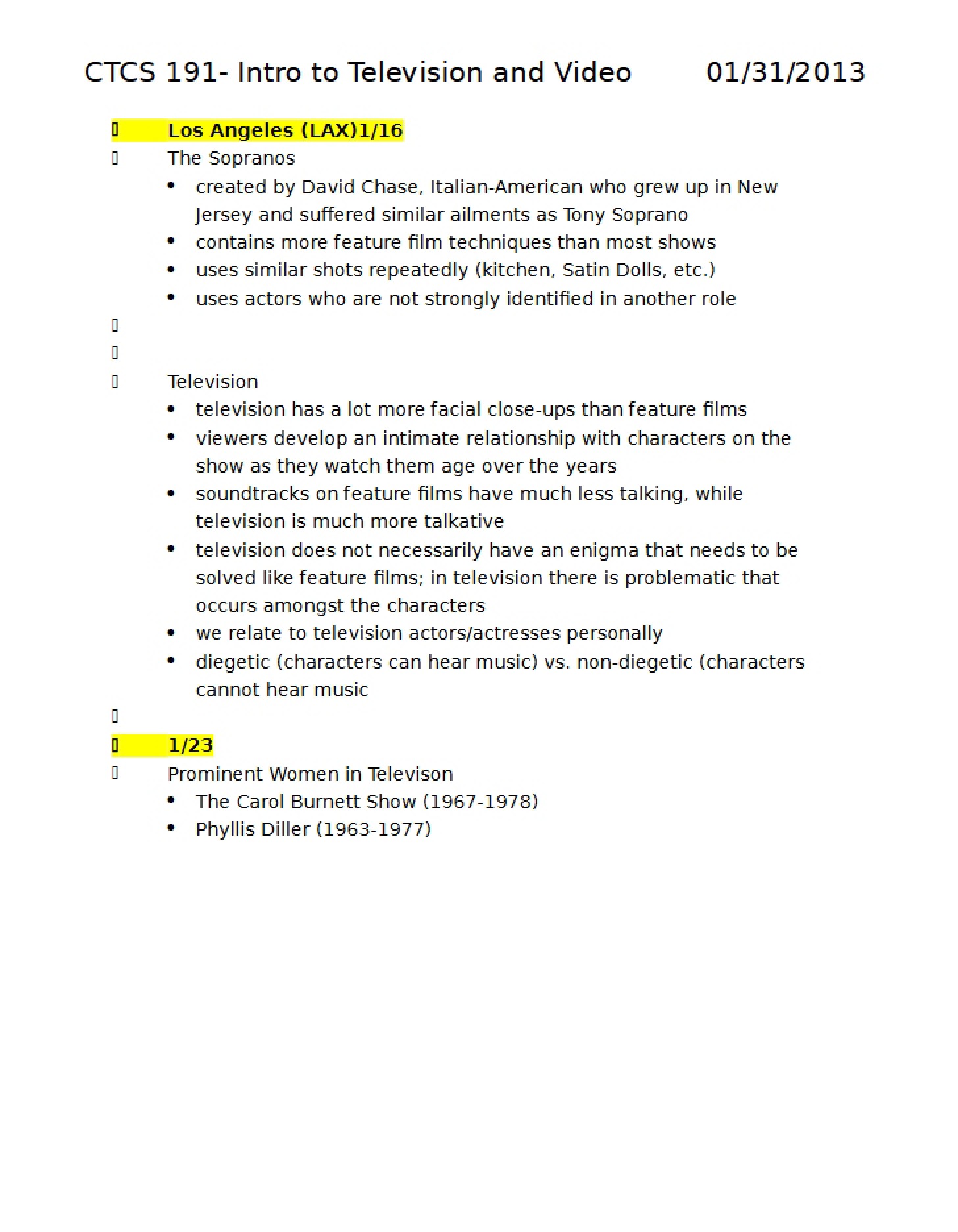
These notes originate from a University of Southern California Forensic Chemistry (CHEM 205) course, specifically relating to CTCS 393 – a course exploring the historical and cultural context of cinema. The material appears to be lecture notes, compiled during class sessions in September 2013, focusing on the evolution of the film industry and associated societal shifts. It delves into the factors influencing filmmaking, distribution, and audience reception across different eras. The notes cover a range of topics, from the impact of television to the rise of independent production and changing marketing strategies.
Why This Document Matters
Students enrolled in film studies, media history, or related humanities courses will find these notes particularly valuable. They are ideal for supplementing lectures, aiding in exam preparation, and providing a broader understanding of the forces that shaped the modern movie industry. Individuals interested in the intersection of film, culture, and economics will also benefit from the insights contained within. These notes can be used during course work, as a refresher before assessments, or to build a foundation for further research.
Common Limitations or Challenges
These notes represent a specific instructor’s perspective and interpretation of course material. They are not a substitute for attending lectures or completing assigned readings. The notes are presented in a condensed format, and may require further elaboration or contextualization to fully grasp the concepts discussed. They do not offer in-depth analysis of individual films, nor do they provide a comprehensive overview of all cinematic history.
What This Document Provides
* An overview of the challenges faced by major studios in the mid-20th century.
* Discussion of the impact of technological advancements on film production and distribution.
* Exploration of the relationship between societal trends and cinematic themes.
* Insights into the evolution of film marketing and exhibition practices.
* Consideration of the role of independent producers and directors in reshaping the industry.
* Notes on specific cinematic movements and their characteristics.
* References to key figures and their contributions to film history.