What This Document Is
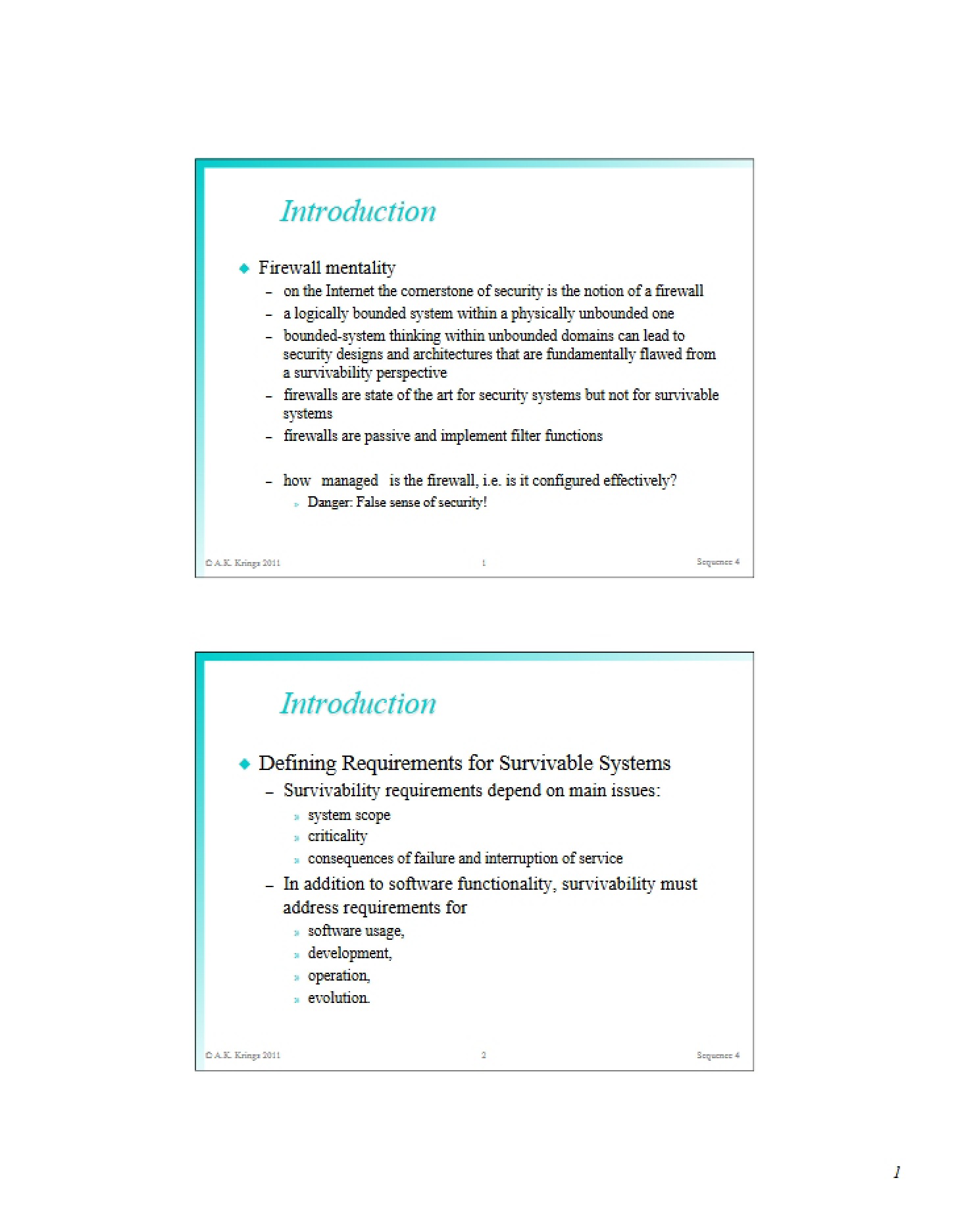
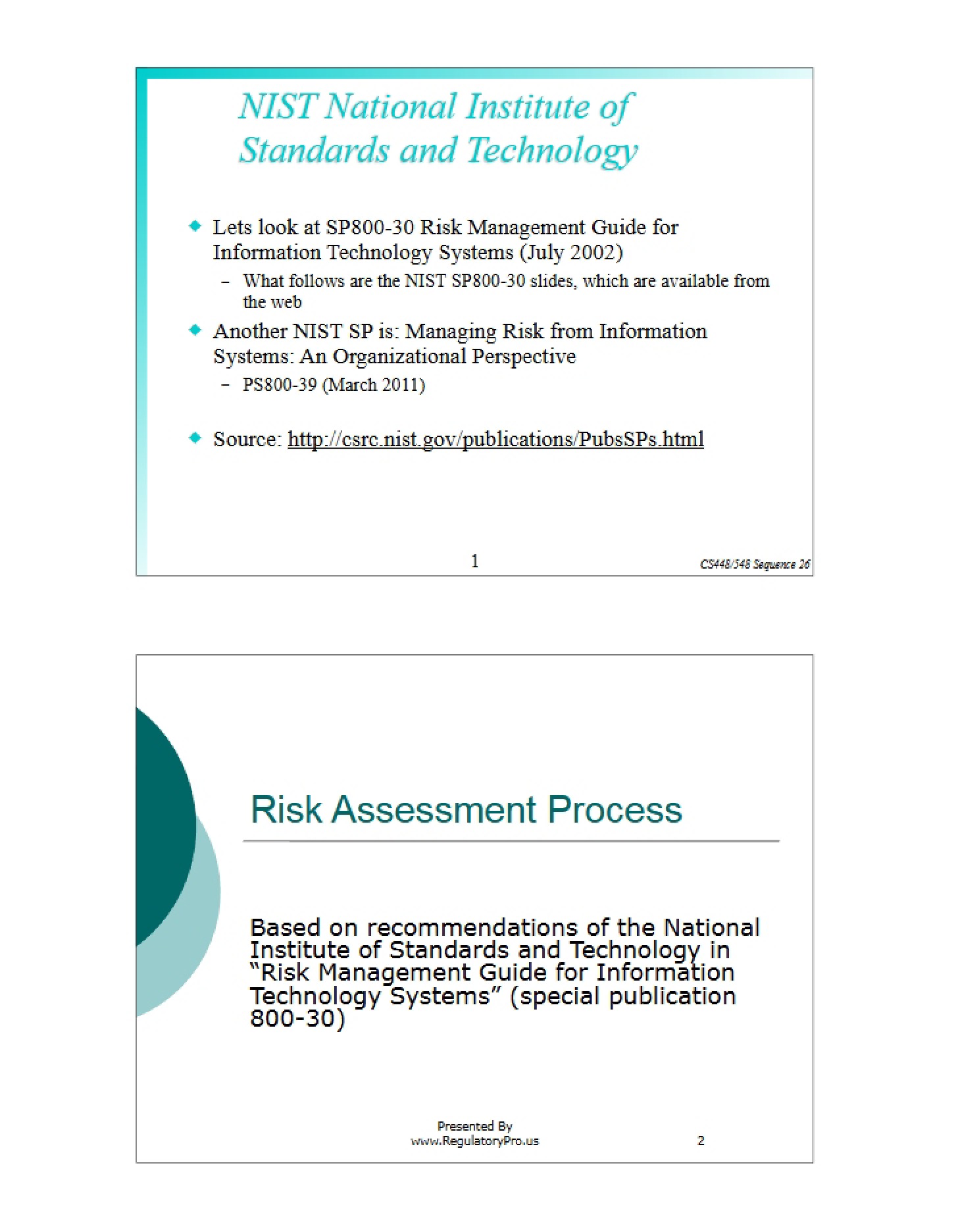
These are lecture notes from CS 448: Survivable Systems and Networks at the University of Idaho. The notes delve into the foundational concepts of dependable and secure computing, drawing heavily from established research in the field. They represent a focused exploration of vulnerabilities and potential failures within complex systems, and how to approach building more resilient infrastructure. This material is designed to supplement in-class lectures and provide a deeper understanding of core principles.
Why This Document Matters
This resource is invaluable for students enrolled in survivable systems courses, or anyone seeking a strong theoretical grounding in system dependability. It’s particularly useful when preparing for more advanced topics, or when needing a reference point for understanding the lifecycle of a system and the various threats it faces. Individuals interested in cybersecurity, network engineering, or robust system design will find these notes a helpful starting point for further investigation.
Topics Covered
* System Lifecycle Phases (Development, Use, Maintenance)
* Threats to System Dependability and Security
* Categorization of Faults (Internal, External, Natural, Human-Made)
* The Development and Use Environments of Systems
* Different Types of Maintenance (Corrective, Preventive, Adaptive, Augmentative)
* Understanding Service Delivery and Potential Disruptions
* Identifying potential malicious and non-malicious actors
What This Document Provides
* A structured overview of key concepts in dependable and secure computing.
* A taxonomy for classifying faults and understanding their origins.
* A framework for analyzing the environment in which systems operate.
* Visual aids, such as figures, to illustrate complex relationships.
* A foundation for understanding the challenges of building survivable systems.