What This Document Is
These are lecture notes from CMPS 11, an intermediate programming course at the University of California, Santa Cruz, specifically for Lecture CMPS 115. The notes provide a foundational overview of operating systems, a core component of computer science. They represent the instructor’s planned course structure and key areas of focus for understanding how computer systems function at a fundamental level. This resource is designed to supplement classroom learning and provide a structured framework for studying the complexities of operating systems.
Why This Document Matters
This resource is invaluable for students currently enrolled in CMPS 11 or those with a foundational understanding of programming seeking to deepen their knowledge of system-level programming. It’s particularly helpful for anyone preparing to tackle projects involving process management, memory allocation, or system design. Reviewing these notes *before* a lecture can prime you for the material, and revisiting them *after* can solidify your understanding. It’s also a useful reference for students looking to understand the prerequisites and recommended reading materials for advanced coursework in operating systems.
Topics Covered
* Core principles of operating system design
* Process management and inter-process communication
* Synchronization techniques to manage concurrent processes
* Memory management strategies, including virtual memory
* File system organization and security considerations
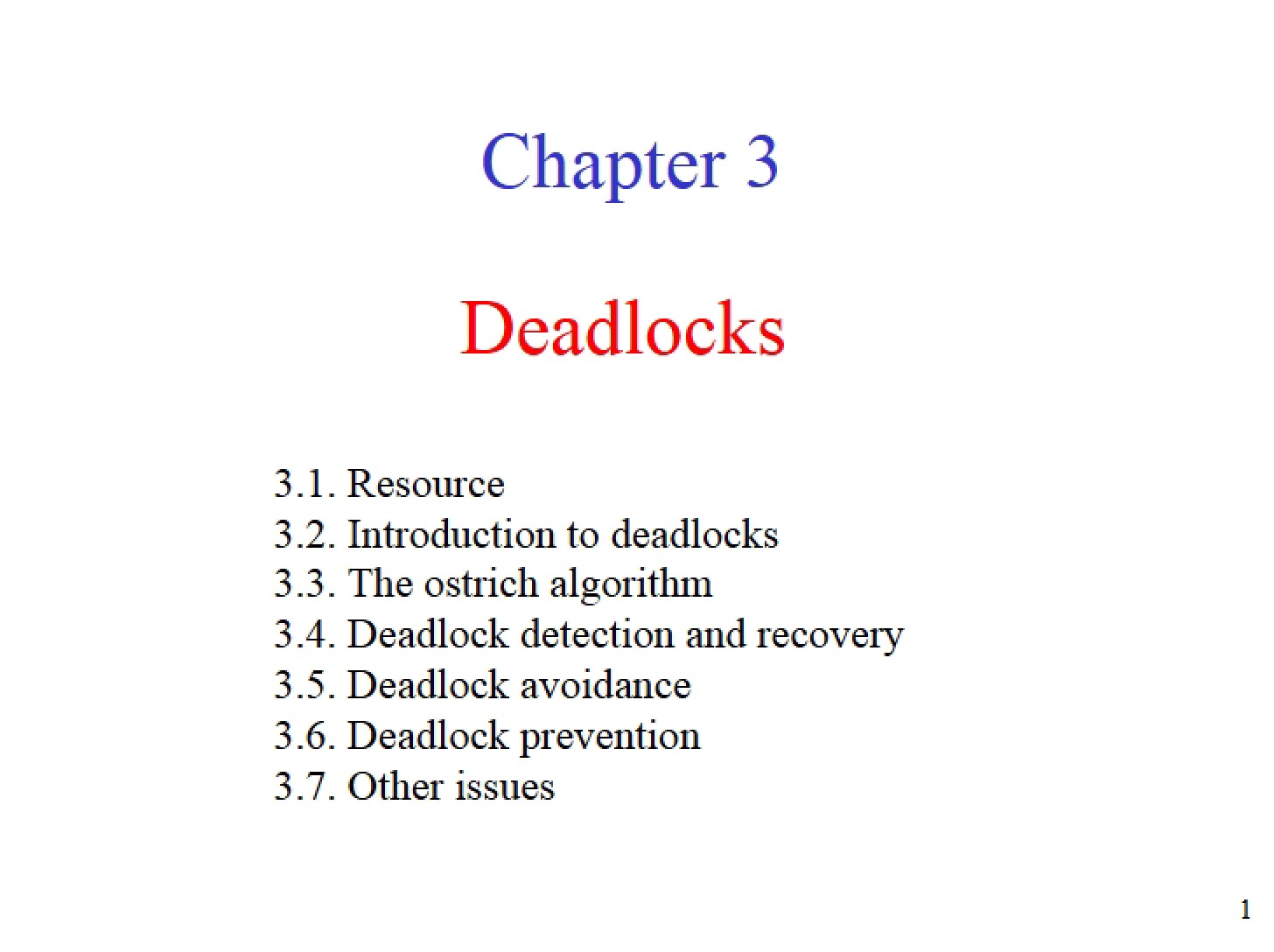
* Resource allocation and deadlock prevention
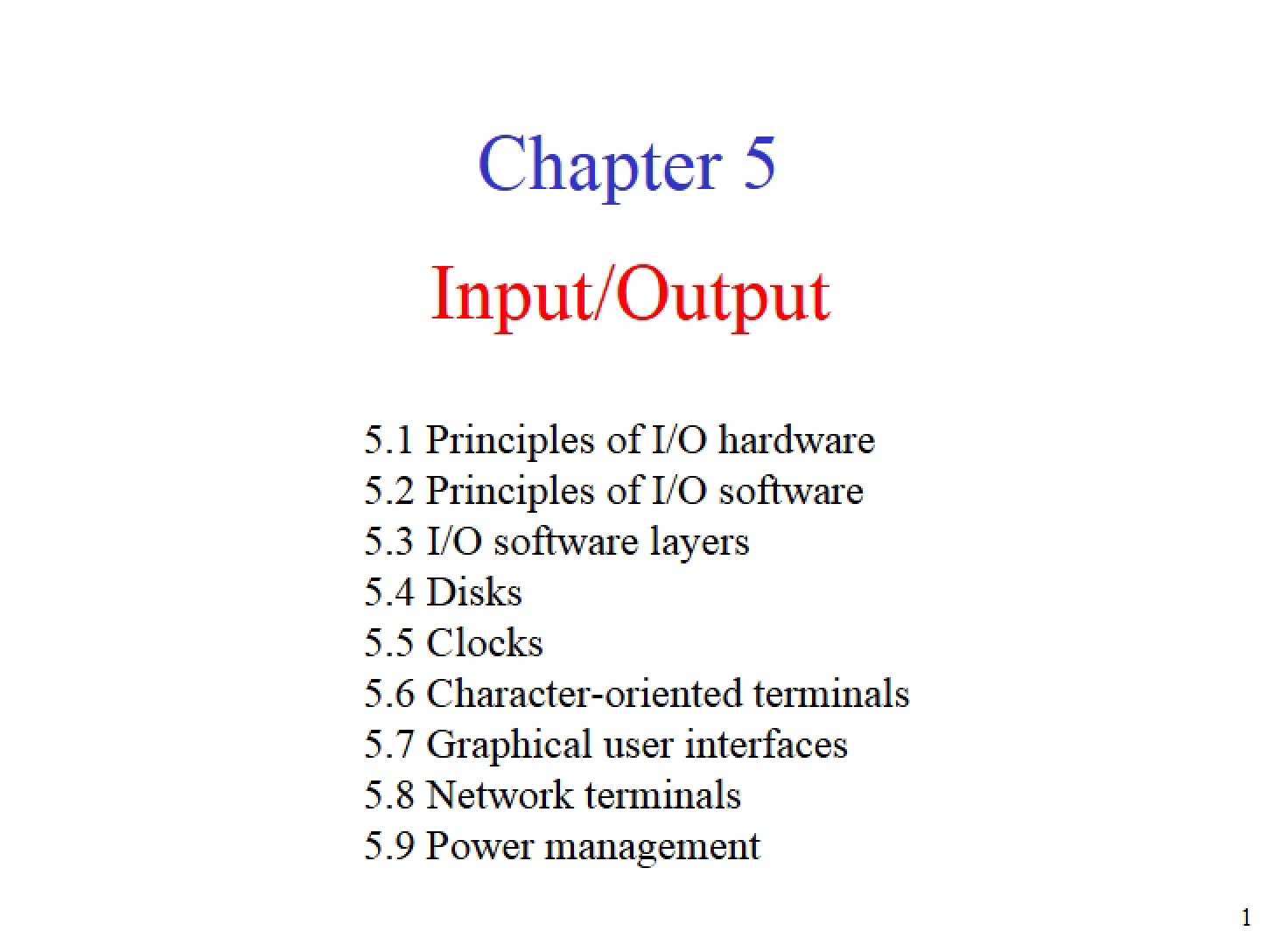
* Input/output operations and device management
* Concepts related to distributed operating systems and networking
What This Document Provides
* A detailed course outline and learning objectives.
* A list of required and recommended textbooks for further study.
* Information regarding communication channels with the instructor and teaching assistant.
* An overview of assessment components, including exercises and their contribution to the final grade.
* Guidance on necessary prerequisite knowledge and recommended programming skills (including UNIX environments and C programming).
* References to relevant research literature for advanced exploration of topics.