What This Document Is
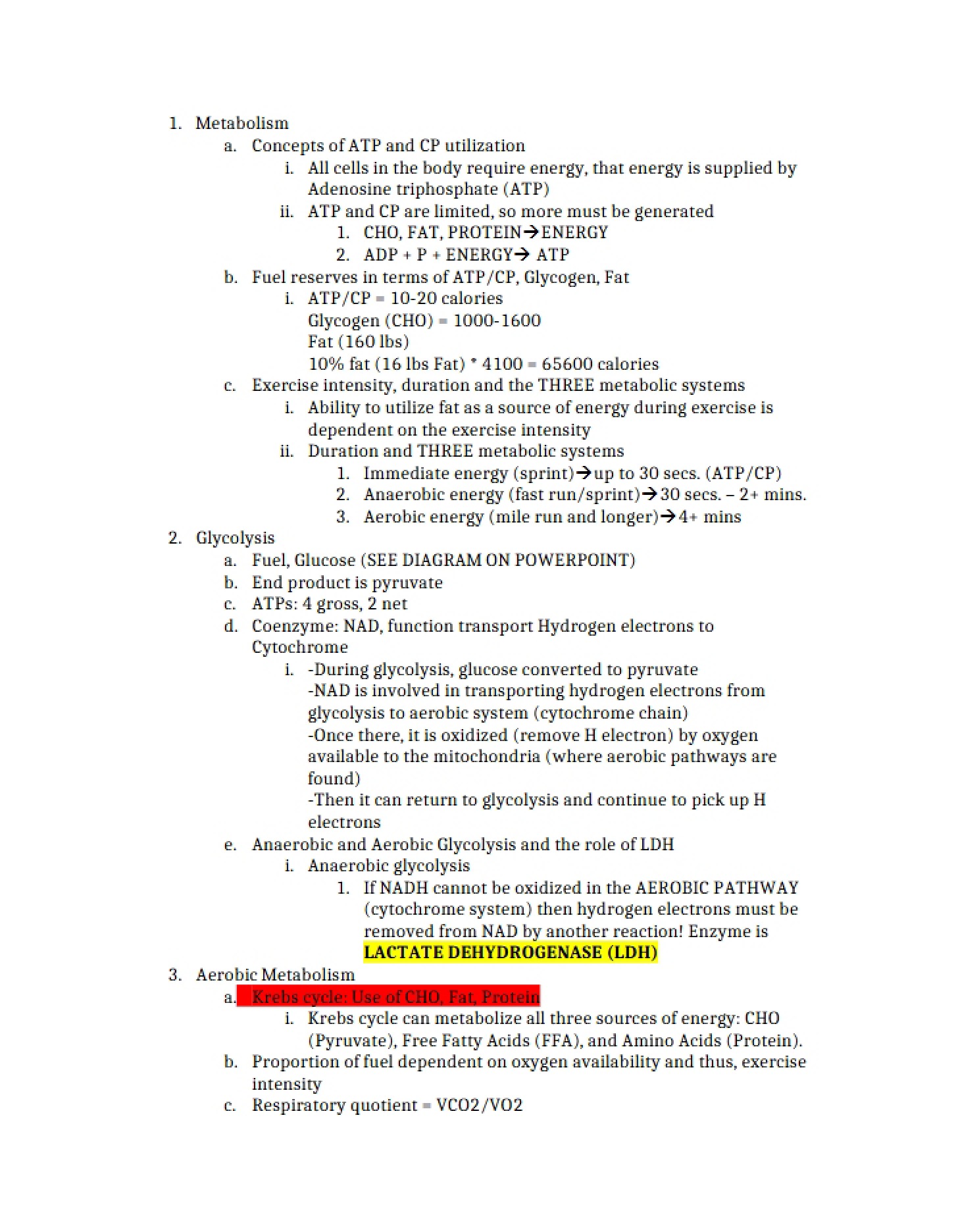
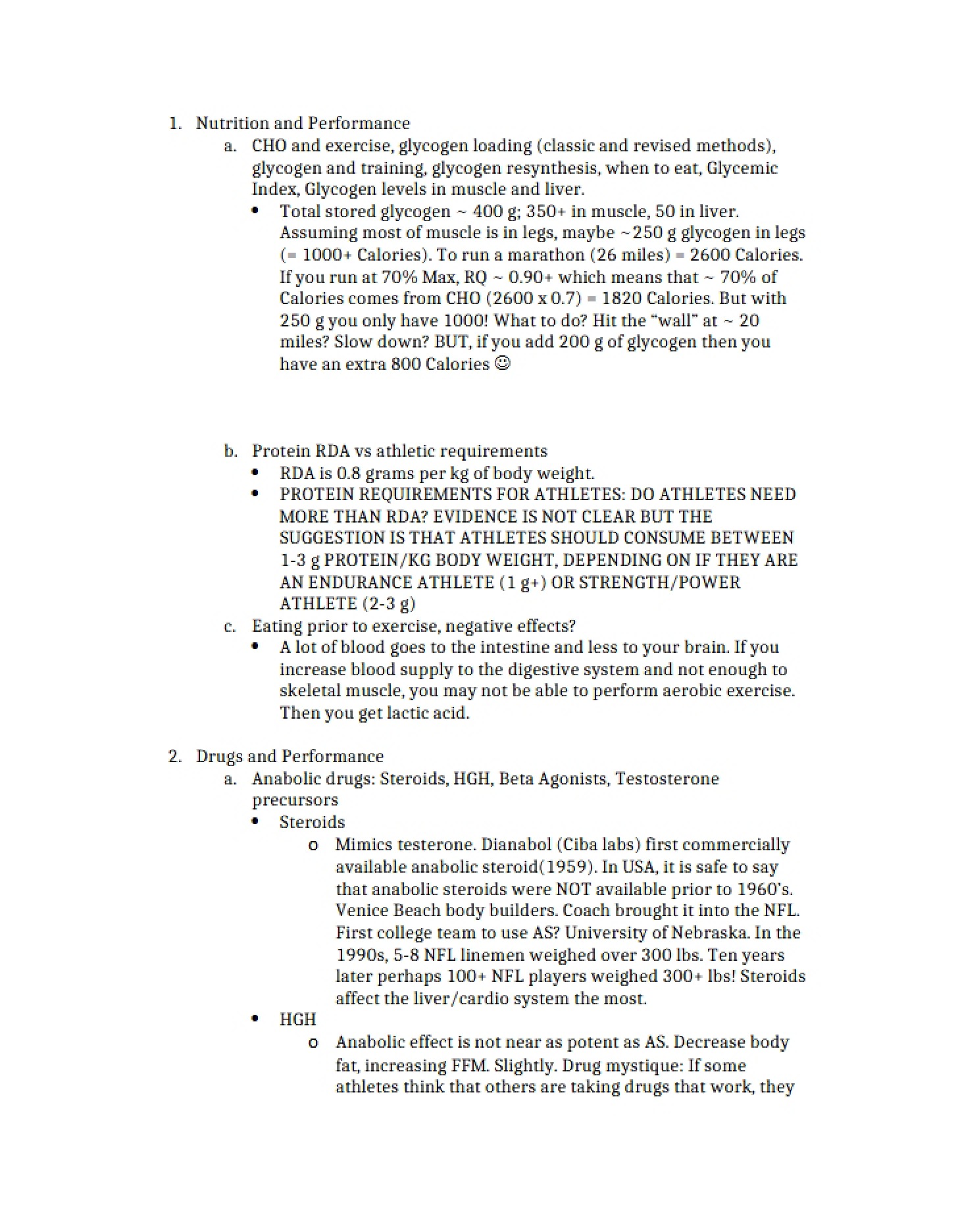
These are lecture notes from Week Four of The Science of Human Performance (EXSC 205Lxg) at the University of Southern California. This resource comprehensively covers the physiological principles underlying energy expenditure, weight management, and human efficiency. It delves into the intricate relationship between caloric intake, energy output, and the factors influencing metabolic processes. The notes are formatted as a detailed record of a lecture, likely accompanied by visual aids and examples discussed in class.
Why This Document Matters
This study guide is invaluable for students enrolled in EXSC 205Lxg seeking to solidify their understanding of core concepts related to human metabolism and performance. It’s particularly useful for reviewing material before quizzes, exams, or practical applications of the course content. Individuals interested in optimizing athletic performance, understanding the science behind weight management strategies, or pursuing careers in exercise science, kinesiology, or related health fields will find this a beneficial resource. It’s best used *in conjunction* with attending lectures and completing assigned readings.
Common Limitations or Challenges
These notes represent a specific lecture’s content and should not be considered a substitute for the full course curriculum. The notes are detailed, but rely on a foundational understanding of basic biological and physiological principles. They do not include textbook readings, supplemental materials, or individual assignment instructions. Furthermore, the notes are a record of a lecture and may contain shorthand, diagrams, or references specific to the instructor’s presentation style.
What This Document Provides
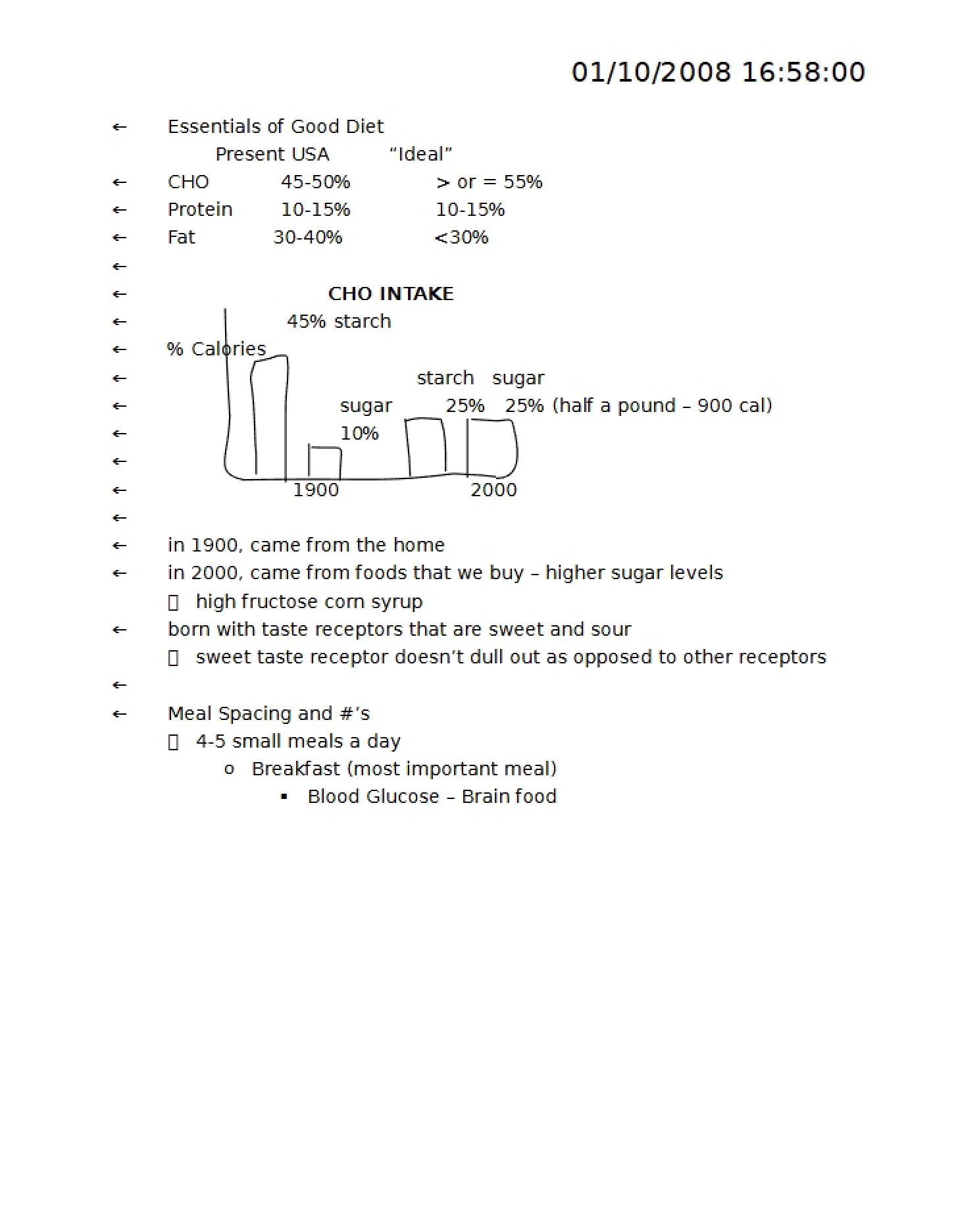
* An overview of caloric equivalents for macronutrients (fats, proteins, carbohydrates).
* Discussion of the factors influencing weight loss and gain, beyond simple caloric deficits.
* Exploration of strategies for effective weight management, including dietary considerations.
* Analysis of mechanical efficiency and its relationship to energy expenditure.
* Examination of work-energy equivalencies and methods for calculating energy costs.
* Insights into the physiological differences in energy expenditure between trained and untrained individuals.
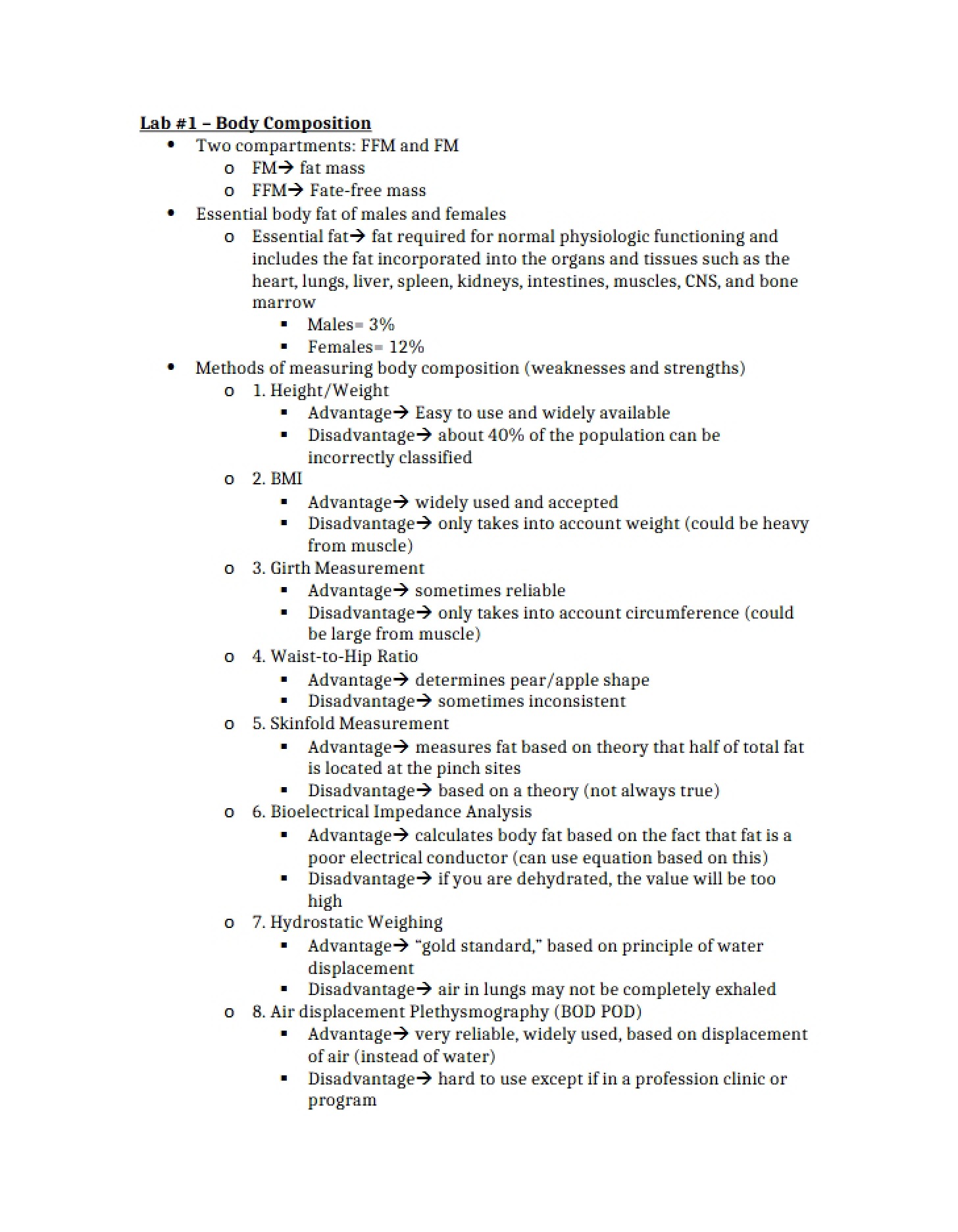
* Consideration of body composition analysis and its relevance to health and performance.