What This Document Is
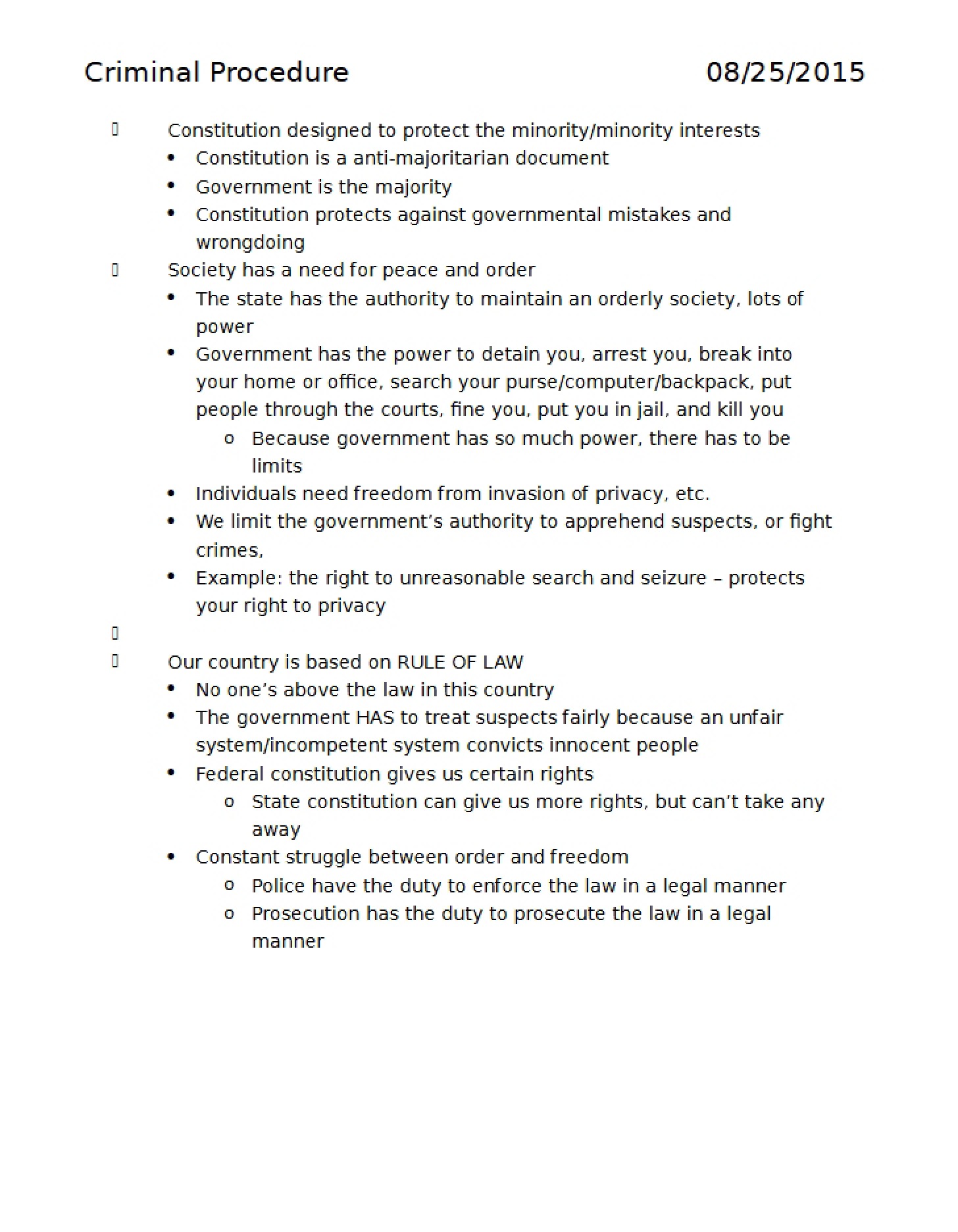
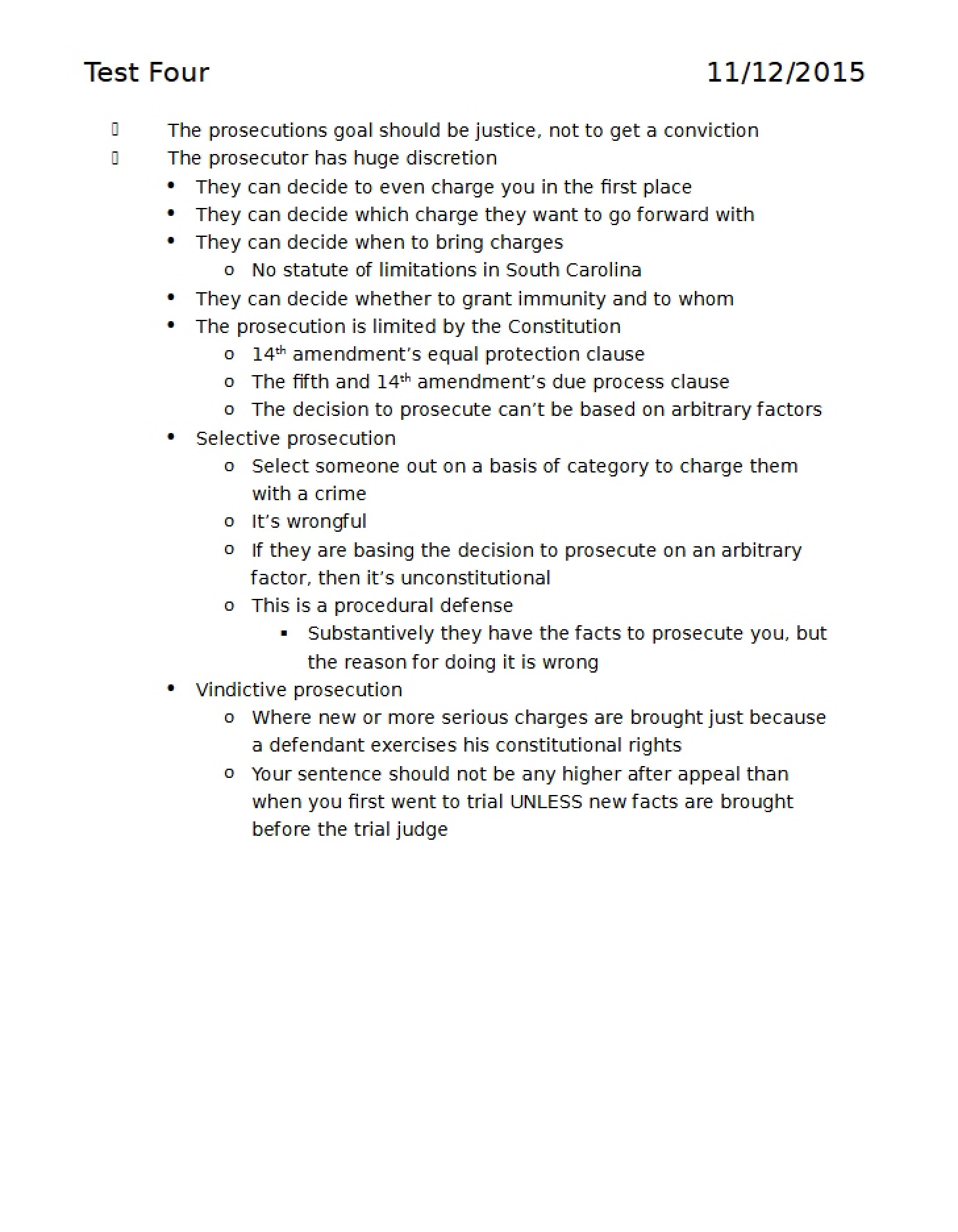
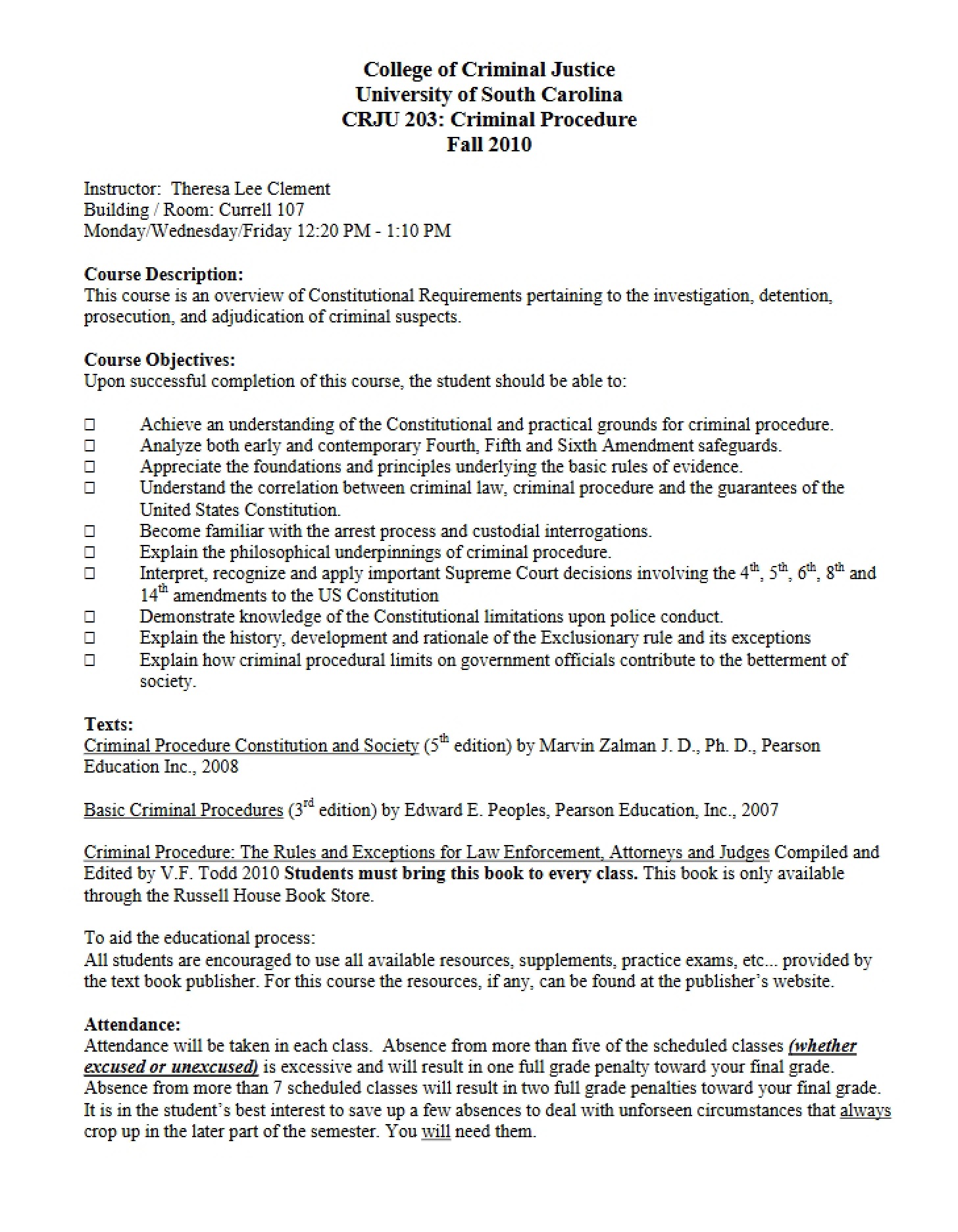
These are comprehensive notes compiled to aid in preparation for Test Two in Criminal Procedure (CRJU 203) at the University of South Carolina. The material focuses on critical Fourth Amendment concepts related to police interactions with citizens, specifically concerning detentions, searches, and arrests. It’s designed as a focused review of key legal principles and landmark case interpretations relevant to the course.
Why This Document Matters
This resource is invaluable for students seeking to solidify their understanding of the complex rules governing law enforcement authority. It’s particularly helpful for those preparing for exams, reviewing before a class discussion, or needing a concentrated overview of crucial concepts. Students who utilize these notes will be better equipped to analyze hypothetical scenarios involving police conduct and apply relevant legal standards. It’s best used *after* attending lectures and completing assigned readings, as a tool for synthesis and focused study.
Common Limitations or Challenges
These notes are a condensed review and do not substitute for a thorough reading of the course textbook, assigned case law, or active participation in class. They are designed to highlight key points and relationships between concepts, but won’t provide exhaustive explanations of every nuance. The notes also assume a foundational understanding of basic criminal justice terminology and constitutional principles. They do not include practice questions or detailed breakdowns of specific fact patterns.
What This Document Provides
* A focused overview of the legal standards governing police stops and arrests.
* Discussion of the distinctions between reasonable suspicion and probable cause.
* Key considerations regarding the permissible scope of police detentions.
* An exploration of the legal framework surrounding searches incident to arrest.
* Clarification of concepts related to lawful and unlawful arrests, including jurisdictional issues.
* Analysis of the implications of mistaken identity in the context of arrests.