What This Document Is
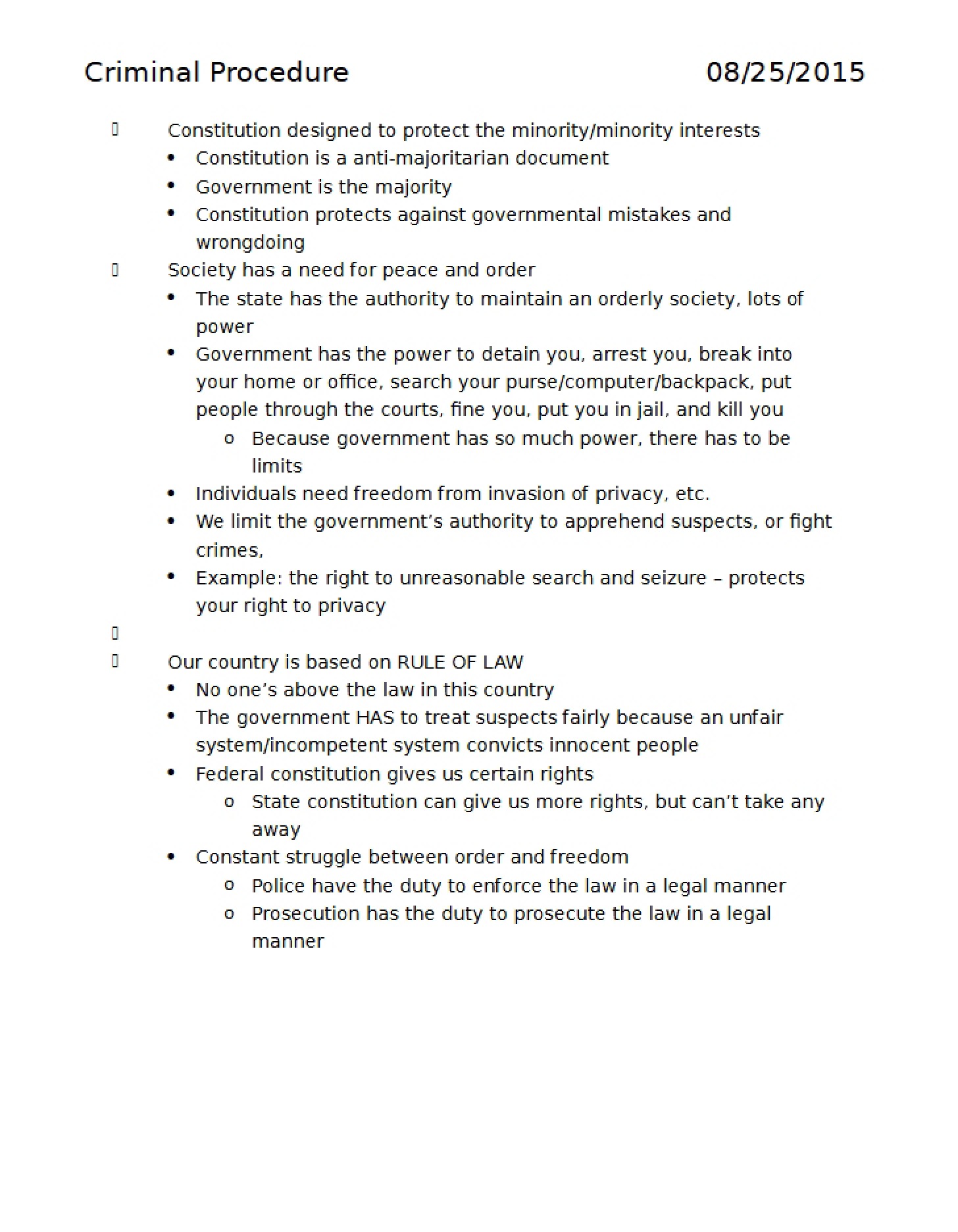
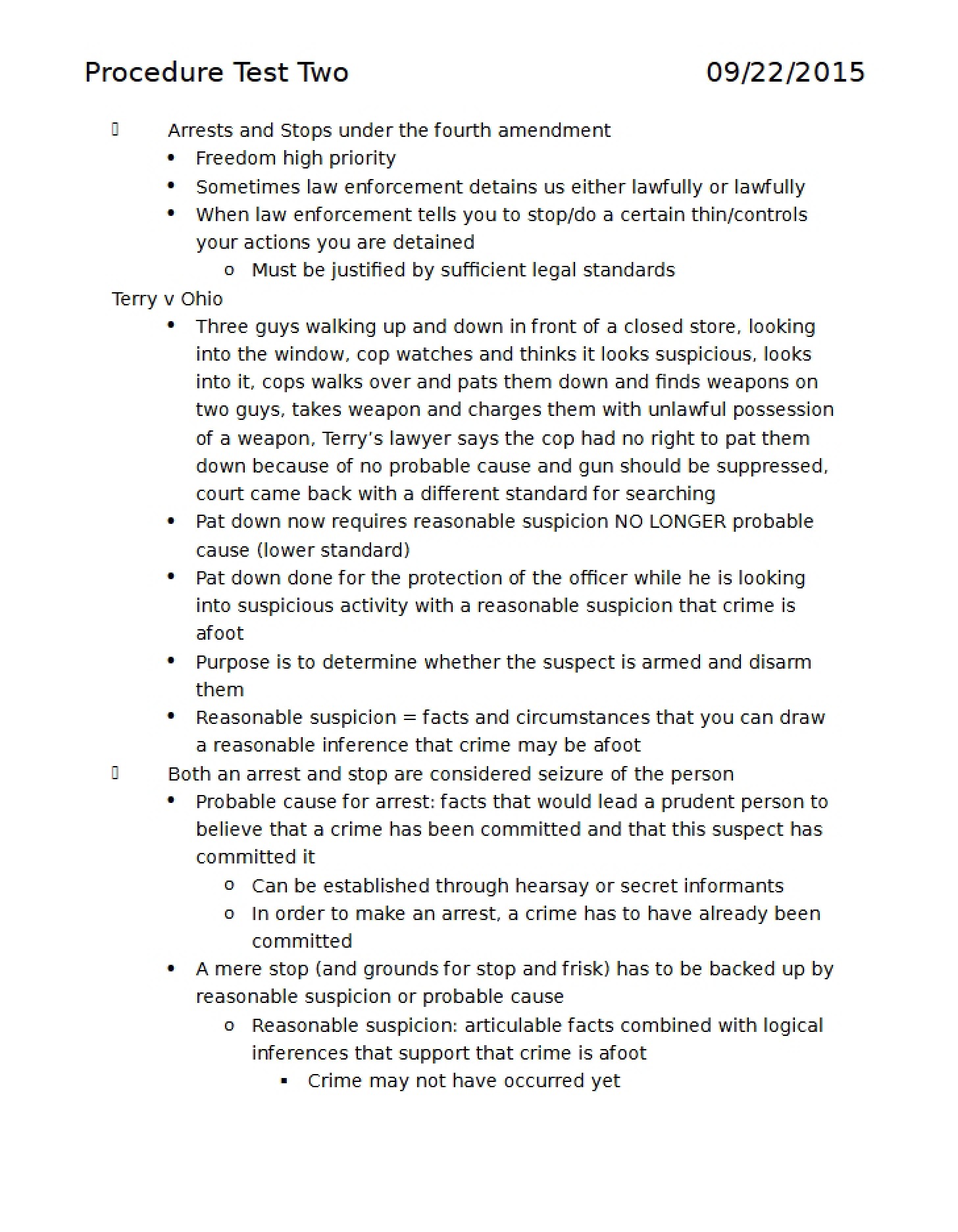
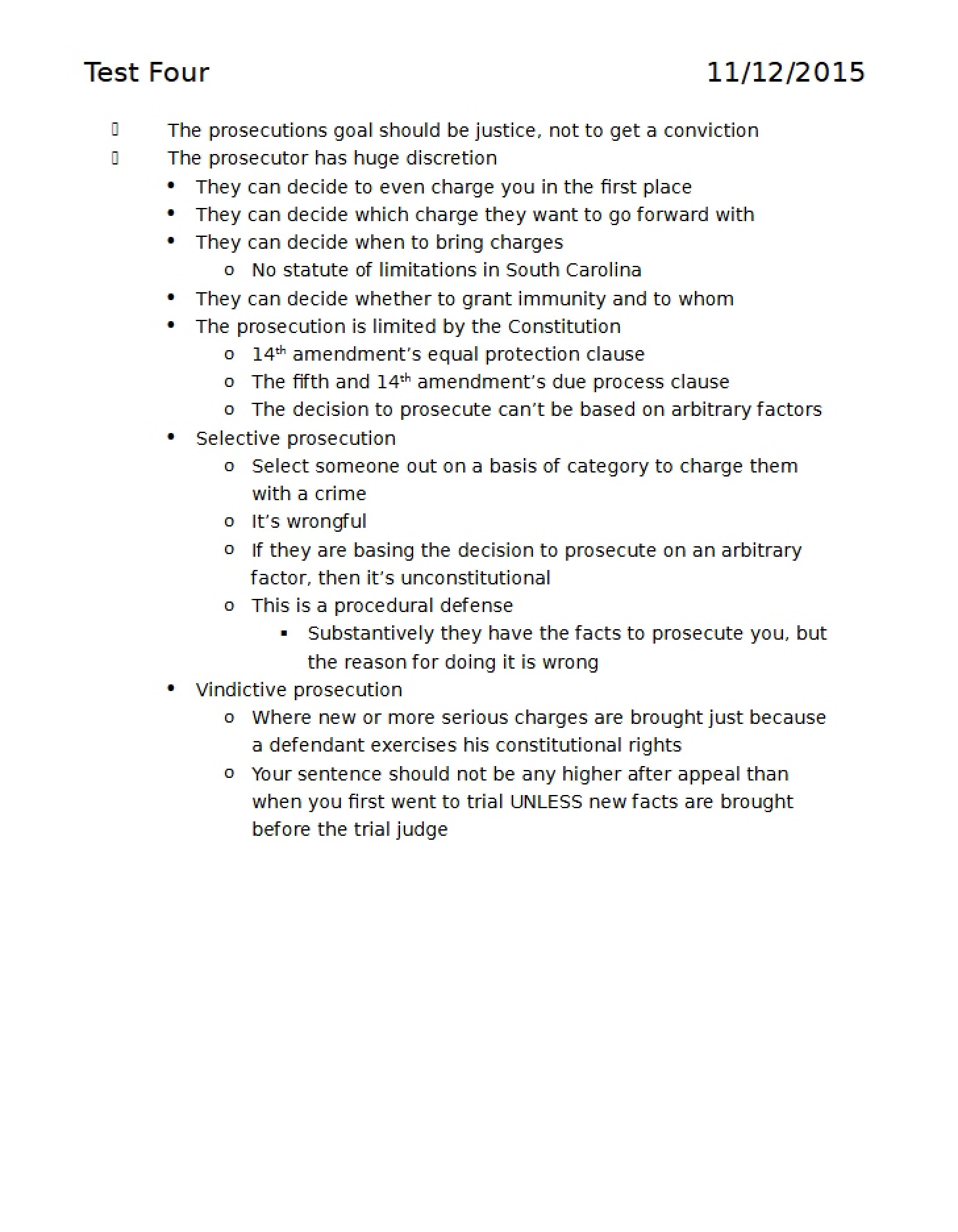
This is a syllabus for CRJU 203: Criminal Procedure, a course offered at the University of South Carolina’s College of Criminal Justice. It outlines the expectations, policies, and structure of the course, providing a foundational overview for students preparing to delve into the complexities of the American criminal justice system. The syllabus details the course’s objectives, required materials, and grading components. It serves as a contract between the instructor and students, clarifying the requirements for successful completion of the course.
Why This Document Matters
This syllabus is essential for any student enrolled – or considering enrollment – in CRJU 203. It’s crucial to review this document *before* the course begins to understand the workload, assessment methods, and the instructor’s policies regarding attendance and late work. Future criminal justice professionals, paralegals, and anyone interested in the legal aspects of policing, courts, and corrections will find this particularly valuable. Understanding the course structure upfront can help students prepare effectively and maximize their learning experience.
Common Limitations or Challenges
This syllabus provides a high-level overview of the course. It does *not* contain the specific legal rules, case summaries, or detailed explanations of constitutional principles that will be covered in lectures and readings. It also doesn’t include the actual assignments, test questions, or the content of the required textbooks. Think of it as a roadmap, not the territory itself.
What This Document Provides
* A clear outline of the course description and learning objectives.
* Information regarding required textbooks and supplemental resources.
* Detailed policies on attendance and its impact on the final grade.
* An overview of the assessment components, including tests, quizzes, and assignments.
* Guidelines for class cancellations and make-up work.
* Instructor contact information and course meeting times/location.
* A statement regarding the importance of understanding the philosophical underpinnings of criminal procedure.