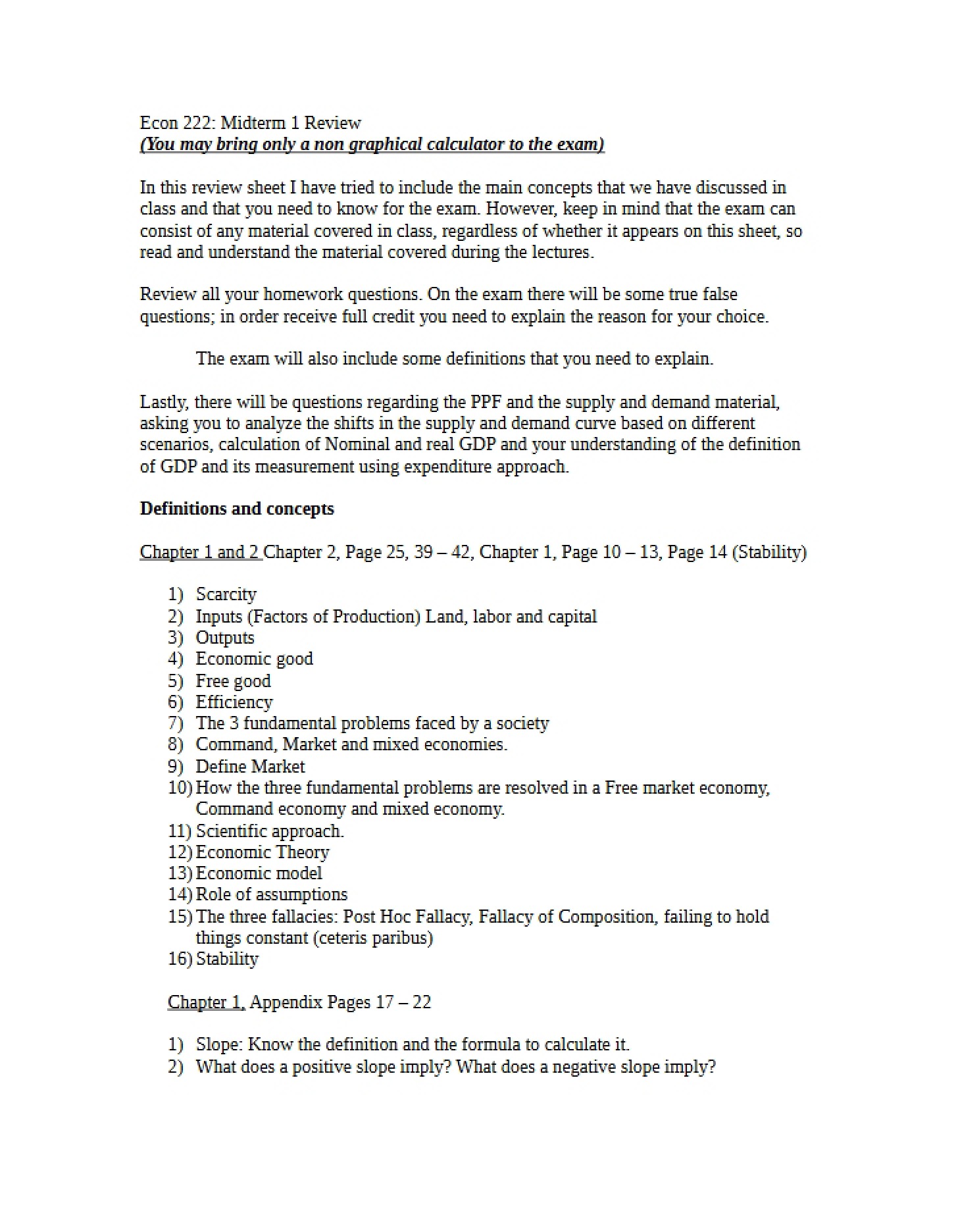
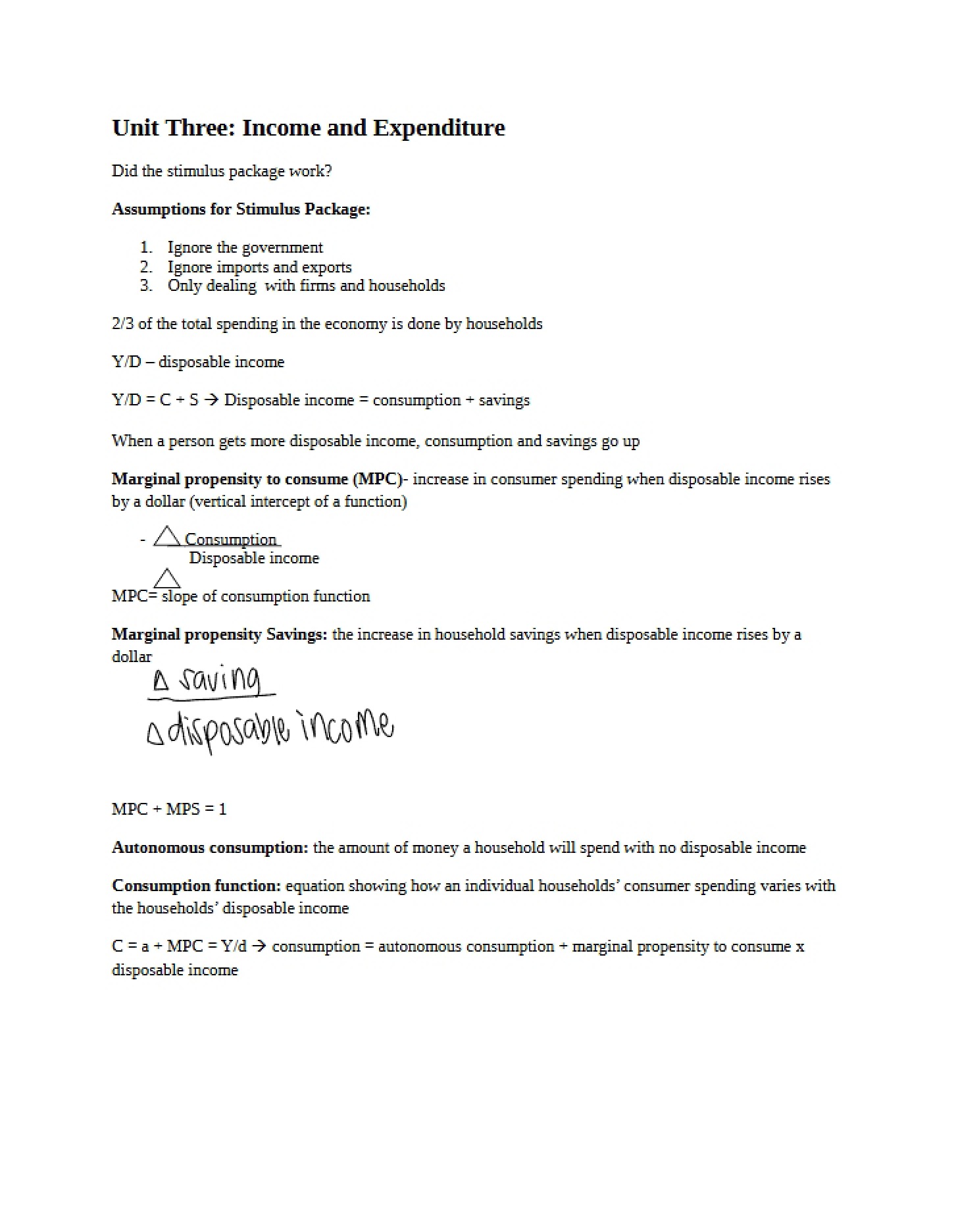
What This Document Is
This study guide provides detailed notes covering the fundamentals of the foreign exchange market, a core component of macroeconomics. It delves into the mechanisms that determine currency values and how international transactions impact national economies. Specifically, this unit focuses on the interplay between the demand and supply of currencies and how these forces establish equilibrium exchange rates. It builds upon prior concepts related to the balance of payments and capital flows.
Why This Document Matters
Students enrolled in Principles of Macroeconomics (ECON 222) at the University of South Carolina will find these notes particularly helpful when studying international trade and finance. These concepts are crucial for understanding global economic interactions, the impact of exchange rate fluctuations on businesses and consumers, and the broader implications for national economic policy. Use these notes to supplement lectures, clarify complex topics, and prepare for assessments. They are especially valuable when analyzing real-world economic events involving international currency markets.
Common Limitations or Challenges
This resource focuses on the theoretical underpinnings of the foreign exchange market. It does not offer specific predictions about future exchange rate movements, nor does it provide detailed case studies of particular currency pairings. It also assumes a foundational understanding of basic economic principles like supply and demand. While it explains *how* exchange rates are determined, it doesn’t offer investment advice or strategies.
What This Document Provides
* A clear explanation of the core concepts related to exchange rates and the foreign exchange market.
* An exploration of the relationship between the demand and supply of a currency and its resulting value.
* Discussion of how changes in economic factors can influence currency valuations.
* Graphical representations to illustrate market dynamics.
* Analysis of how shifts in demand affect equilibrium exchange rates.
* Connections between the foreign exchange market and international trade flows.