What This Document Is
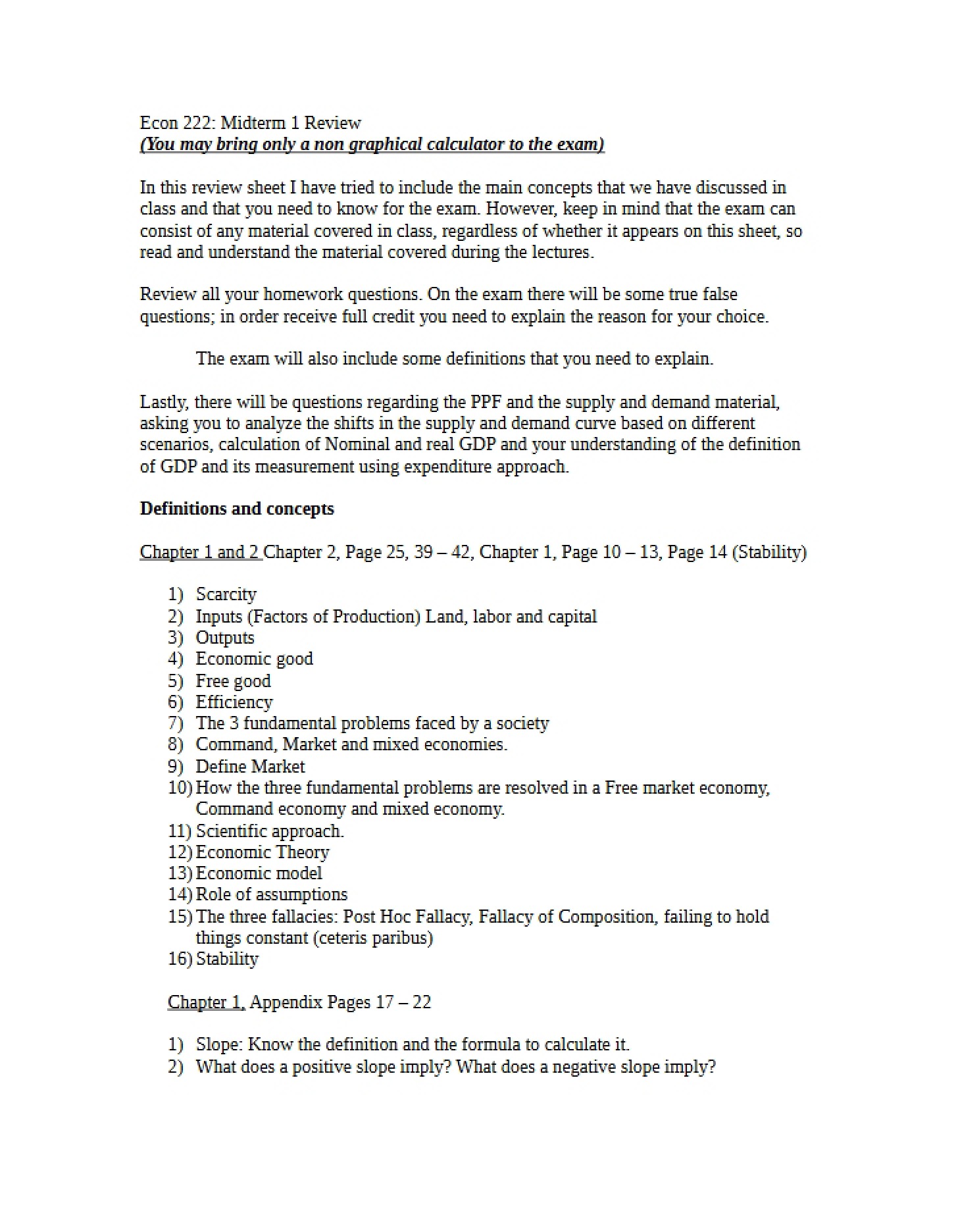
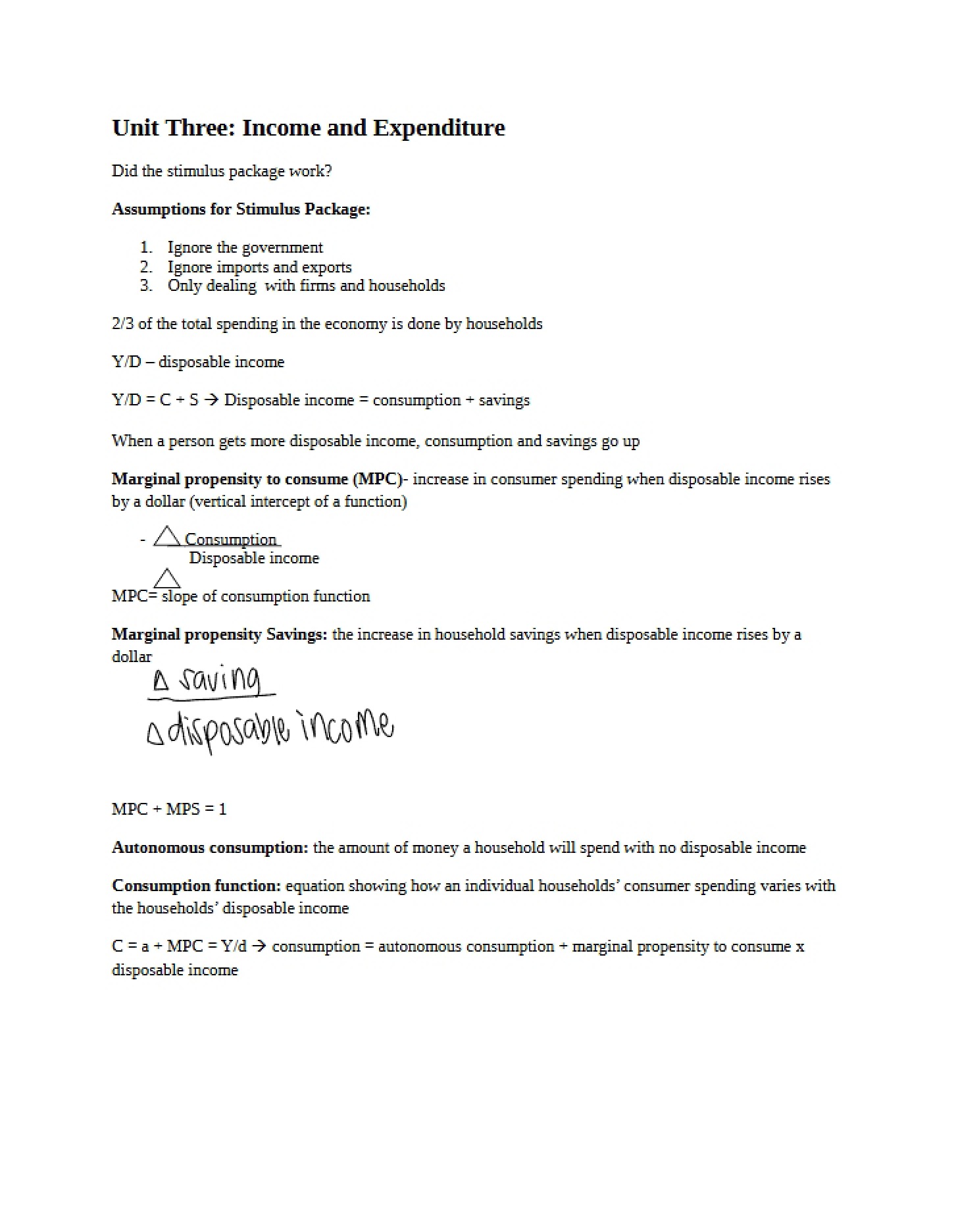
These notes provide a comprehensive overview of key concepts within Unit Four of Principles of Macroeconomics (ECON 222) at the University of South Carolina. The material centers around the fundamental relationship between saving, investment, and the financial sector, and how these elements drive economic growth. It delves into the mechanics of how funds flow within an economy – and internationally – to facilitate capital formation. This study guide is designed to support a deeper understanding of macroeconomic principles, moving beyond simple definitions to explore the interconnectedness of various economic actors.
Why This Document Matters
This resource is invaluable for students enrolled in ECON 222 seeking to solidify their grasp of core macroeconomic models. It’s particularly helpful when preparing for quizzes, exams, or class discussions related to national savings, investment spending, and the role of financial markets. Students who are struggling to visualize how individual savings translate into broader economic activity will find this guide particularly beneficial. It’s best used *in conjunction* with course lectures and assigned readings to reinforce learning and identify areas needing further clarification.
Common Limitations or Challenges
This guide does not offer a substitute for active participation in the course. It does not include solved problem sets, practice exam questions, or detailed explanations of specific numerical calculations. The notes are focused on conceptual understanding and do not provide a complete, standalone learning experience. It assumes a foundational understanding of basic economic principles covered in earlier units of the course.
What This Document Provides
* An exploration of the factors contributing to economic growth, differentiating between human and physical capital.
* A breakdown of how savings and investment are linked within a closed economy.
* An analysis of the impact of government activity (taxation, spending, and budget balances) on national savings.
* An overview of international capital flows – inflows and outflows – and their effect on domestic investment.
* A discussion of the functions and importance of a well-functioning financial system.
* Key definitions related to financial assets, liabilities, and transaction costs.