What This Document Is
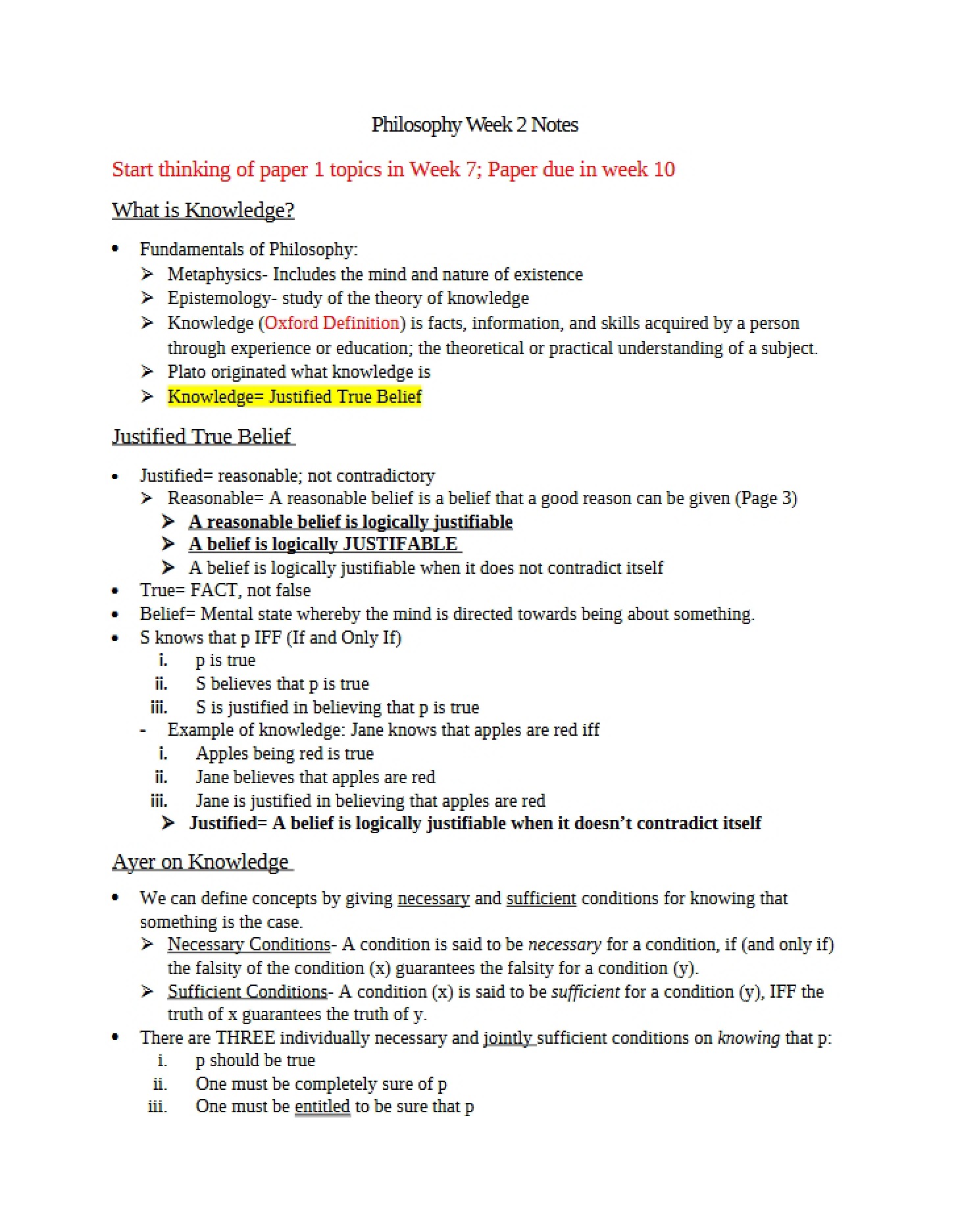
This study guide provides a detailed overview of key concepts and arguments explored within the sixth week of an introductory philosophy course (PHI 2010) at the University of Central Florida. It focuses on arguments relating to the existence of God, examining both classical and contemporary philosophical perspectives. This resource is designed to supplement lectures and readings, offering a concentrated review of complex ideas.
Why This Document Matters
Students enrolled in Introduction to Philosophy will find this guide particularly helpful when preparing for quizzes, exams, or class discussions. It’s ideal for those seeking a consolidated understanding of arguments for and against the existence of a higher power, and the underlying philosophical principles at play. It’s best used *after* engaging with the assigned course materials, as a tool for reinforcing comprehension and identifying areas needing further study.
Topics Covered
* Teleological Arguments (Arguments from Design)
* Critiques of Teleological Arguments
* Contemporary Arguments for the Existence of God
* Pascal’s Wager and its philosophical challenges
* Distinction between Opinion and Argument
* Core Terminology in Philosophy of Religion (Theism, Atheism, Agnosticism)
* Attributes commonly ascribed to God in different traditions
What This Document Provides
* A structured presentation of various arguments concerning the existence of God.
* An exploration of potential weaknesses and counterarguments to established philosophical positions.
* Definitions of key philosophical terms related to the study of religion and metaphysics.
* A comparative overview of different conceptions of God across various belief systems.
* A framework for understanding the difference between reasoned arguments and personal opinions.