What This Document Is
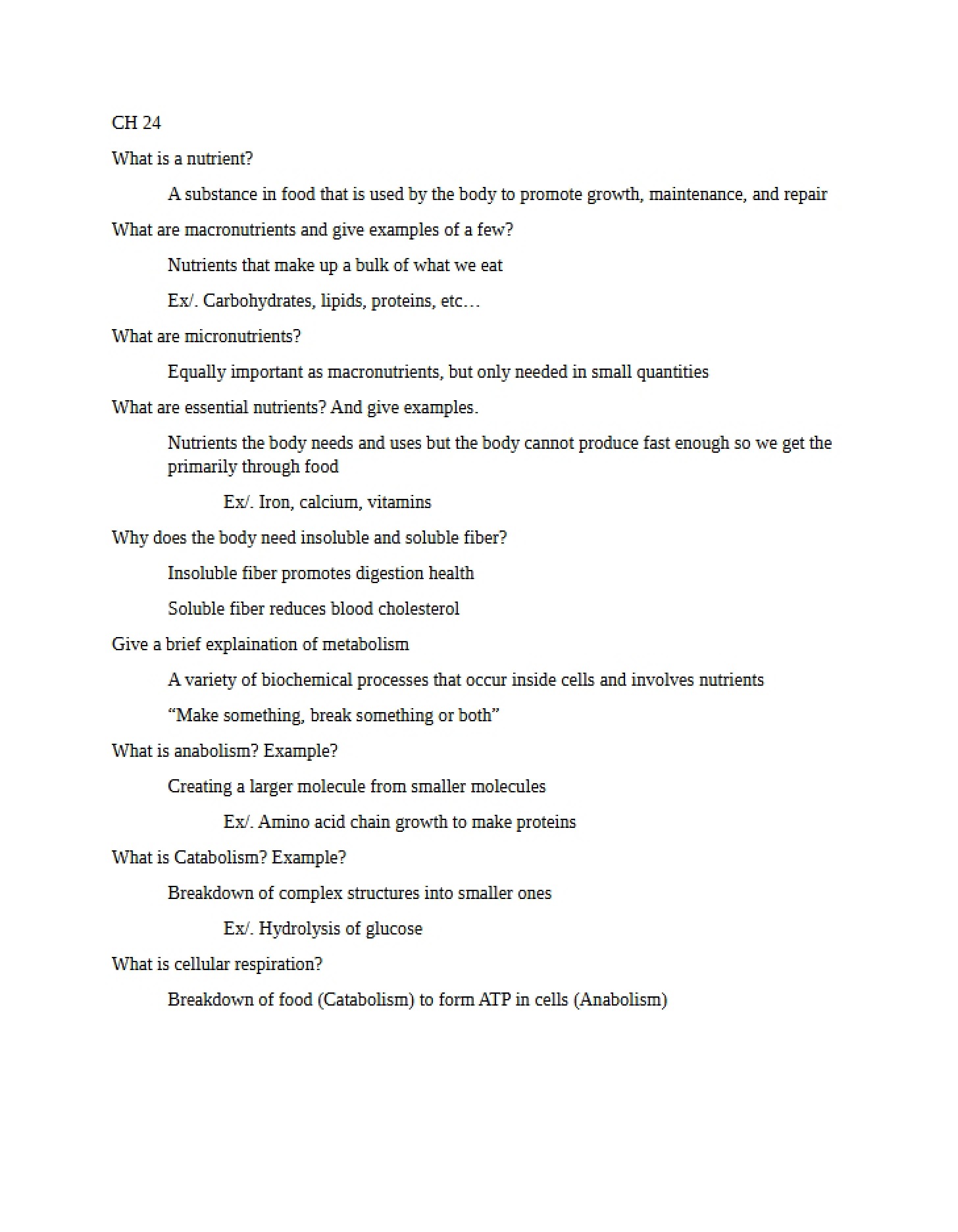
These are lecture notes from an Anatomy and Physiology I course (EXSC 223) at the University of South Carolina, specifically covering material presented on November 14th. The core focus is on the fundamental processes of metabolism within the human body. It delves into the biochemical reactions that occur at a cellular level, relating to how the body obtains and utilizes energy from nutrients. Expect a detailed exploration of key concepts central to understanding bodily functions.
Why This Document Matters
This resource is invaluable for students enrolled in introductory Anatomy and Physiology courses, particularly those seeking to solidify their understanding of metabolic pathways. It’s most beneficial when used to supplement textbook readings and classroom lectures, aiding in comprehension and retention of complex biological processes. Students preparing for quizzes or exams on cellular energy production and nutrient processing will find this a helpful study aid. It’s designed to provide a focused review of a specific lecture’s content, helping you pinpoint areas needing further attention.
Common Limitations or Challenges
These notes represent a specific lecture’s content and do not encompass the entirety of metabolism or even all aspects of energy systems covered in the course. It assumes a foundational understanding of basic chemistry and biological terminology. While comprehensive for the topics *addressed*, it won’t provide in-depth coverage of related systems or clinical applications. Access to the full document is required for a complete understanding of the concepts and associated details.
What This Document Provides
* An overview of anabolic and catabolic metabolic processes.
* A breakdown of the stages involved in processing energy-containing nutrients.
* Explanations of oxidation-reduction reactions and their role in energy transfer.
* Discussion of the importance of enzymes and coenzymes in metabolic pathways.
* An introduction to the mechanisms of ATP synthesis.
* A foundational look at carbohydrate metabolism and glucose oxidation.