What This Document Is
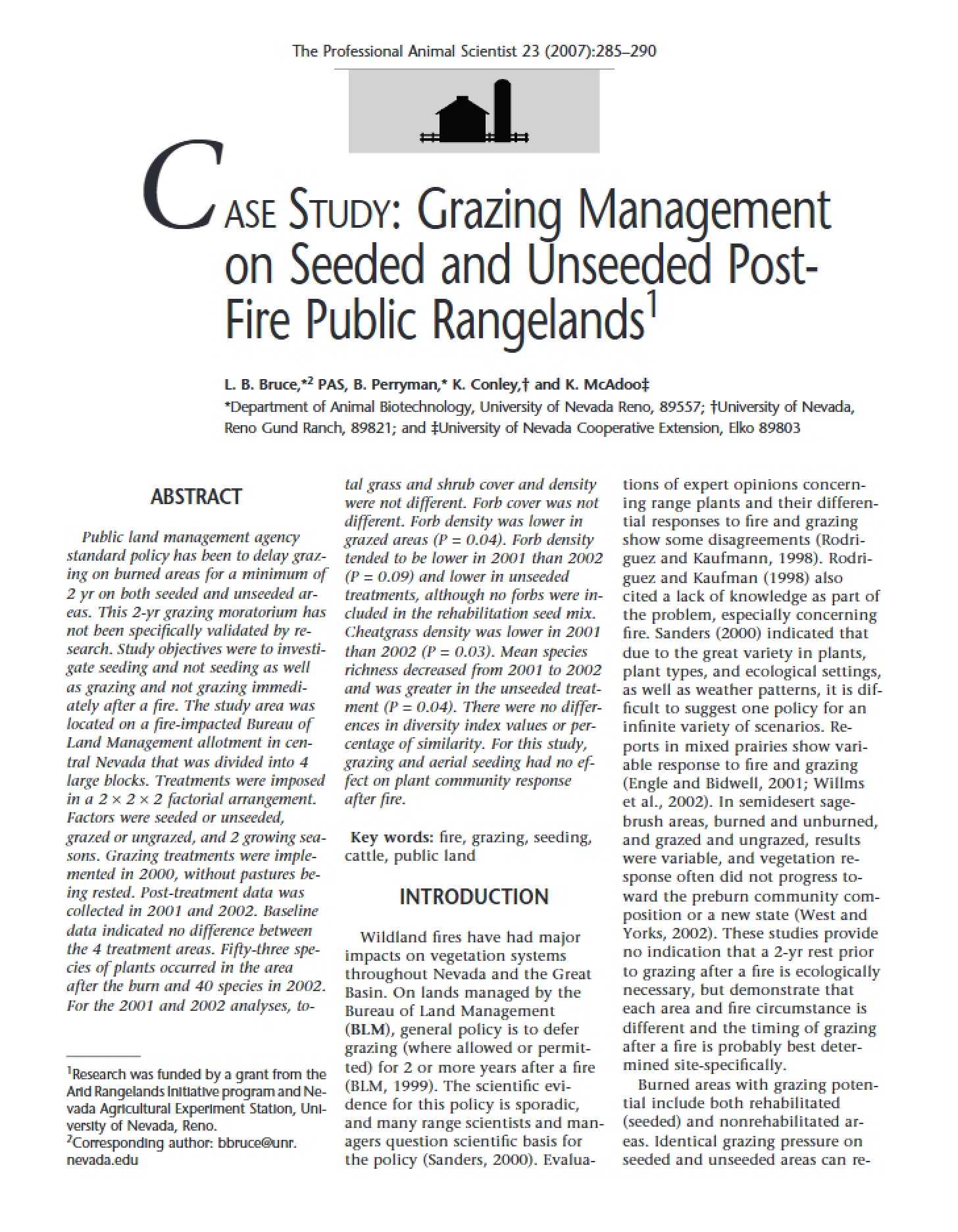
This study guide delves into the complex relationship between grazing practices and fire ecology within rangeland ecosystems. Specifically, it explores how these two powerful ecological factors interact to shape vegetation composition, fuel loads, and overall rangeland health. It’s designed for students and professionals seeking a deeper understanding of integrated rangeland management strategies.
Why This Document Matters
This resource is invaluable for students enrolled in rangeland management, ecology, or natural resource courses. It’s also beneficial for land managers, ranchers, and anyone involved in prescribed burning or grazing management planning. Understanding the interplay of grazing and fire is crucial for developing effective strategies for maintaining healthy, productive, and resilient rangelands – particularly in the face of changing environmental conditions and invasive species. This guide will help you build a strong foundation for informed decision-making.
Topics Covered
* The fundamental differences between the effects of fire and grazing on plant communities.
* Historical perspectives on the interaction between animal grazing and naturally occurring fires.
* How fire influences forage availability and quality for livestock.
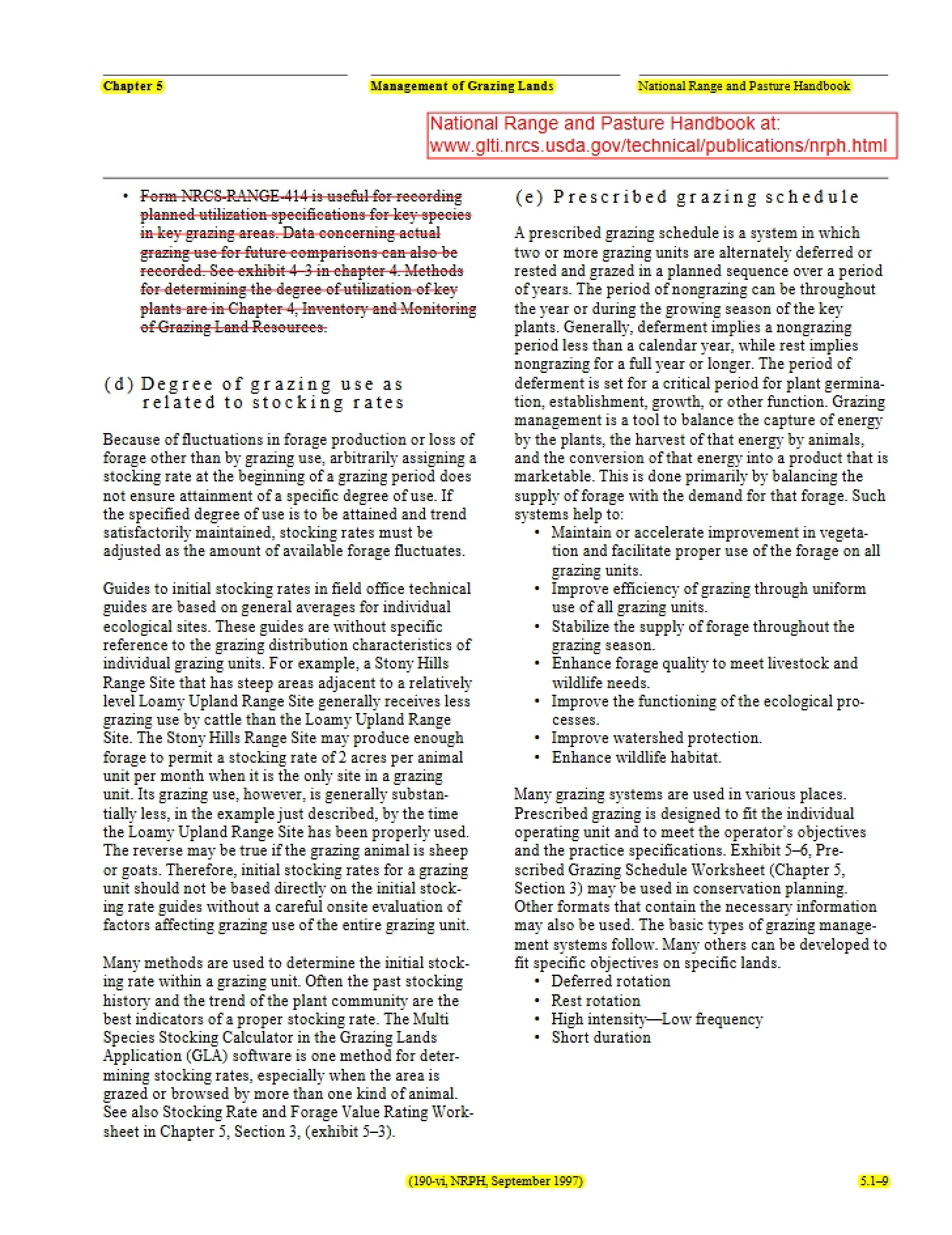
* Strategies for managing grazing before, during, and after fire events.
* The impact of grazing on fuel accumulation and fire behavior.
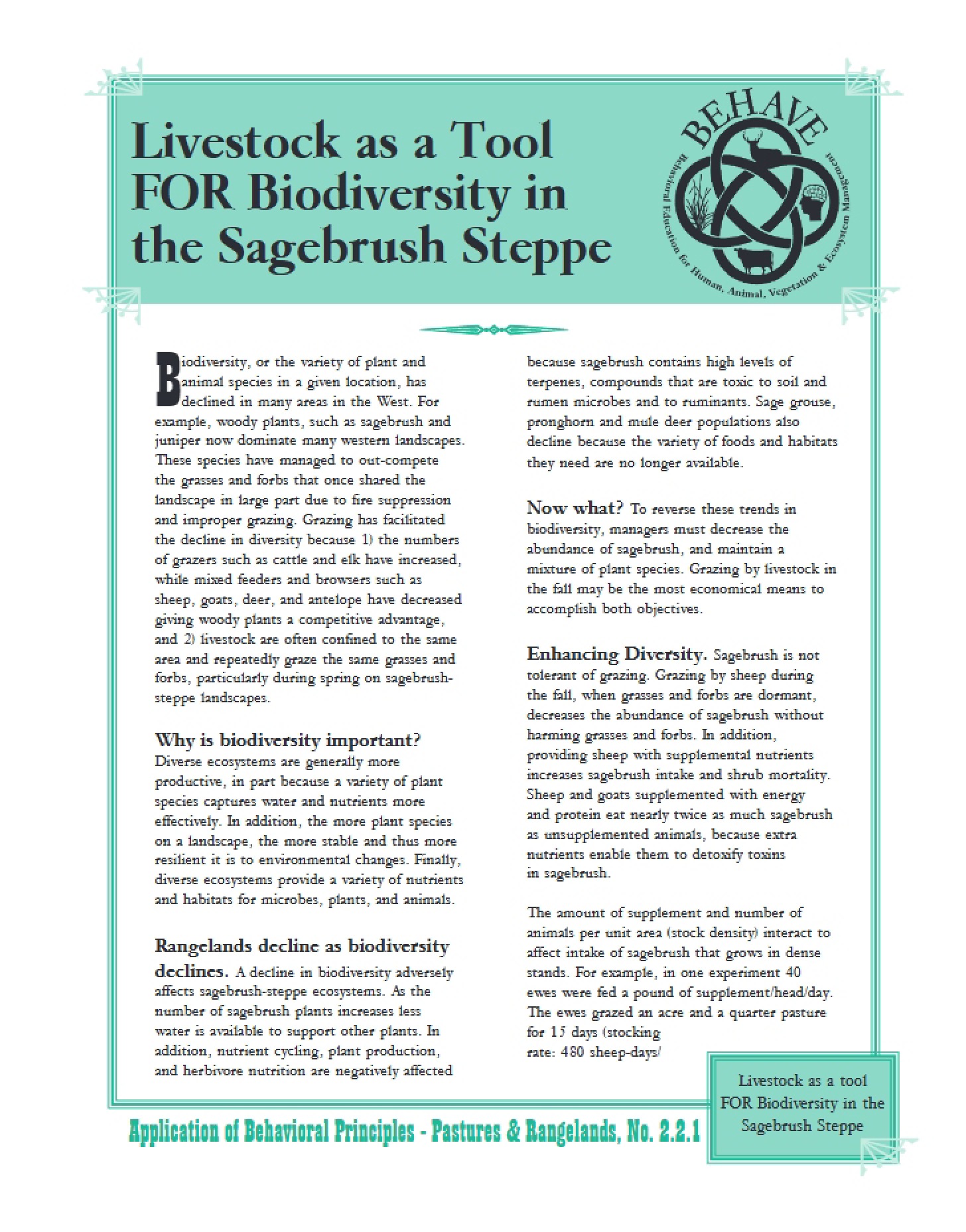
* The role of targeted grazing as a fuel management technique.
* The effects of grazing and fire on invasive plant species, such as cheatgrass.
* Post-fire grazing strategies for promoting desired vegetation recovery.
* Landscape-level considerations for integrating grazing and fire management.
What This Document Provides
* An overview of rangeland responses to combined grazing and fire regimes.
* Illustrative examples of research findings related to grazing and fire interactions.
* Discussion of the implications of spatial variability in management approaches.
* Exploration of both traditional and alternative rangeland practices.
* Insights into the potential role of grazing in rangeland restoration efforts.
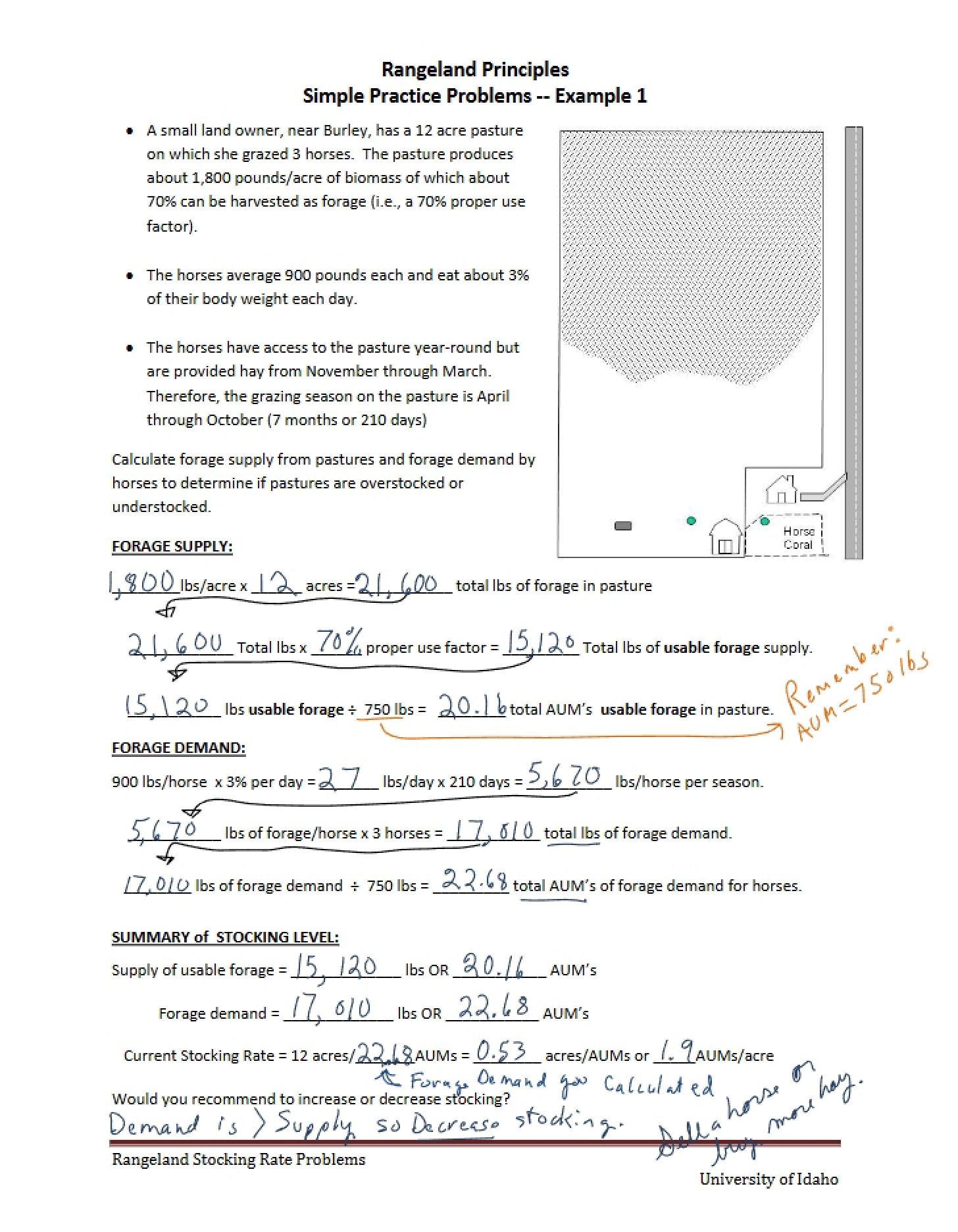
* Considerations for balancing ecological goals with the practical needs of land managers and livestock producers.