What This Document Is
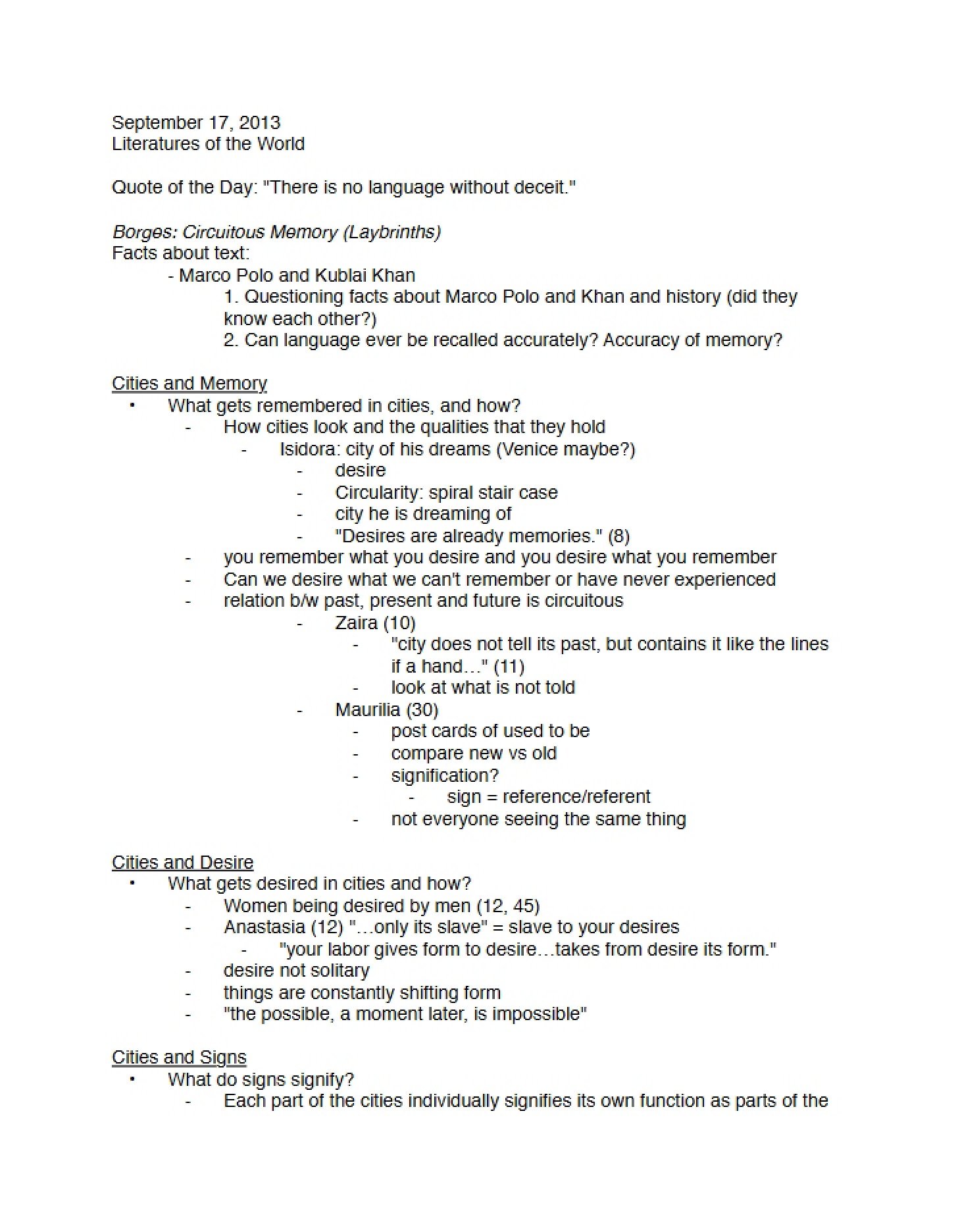
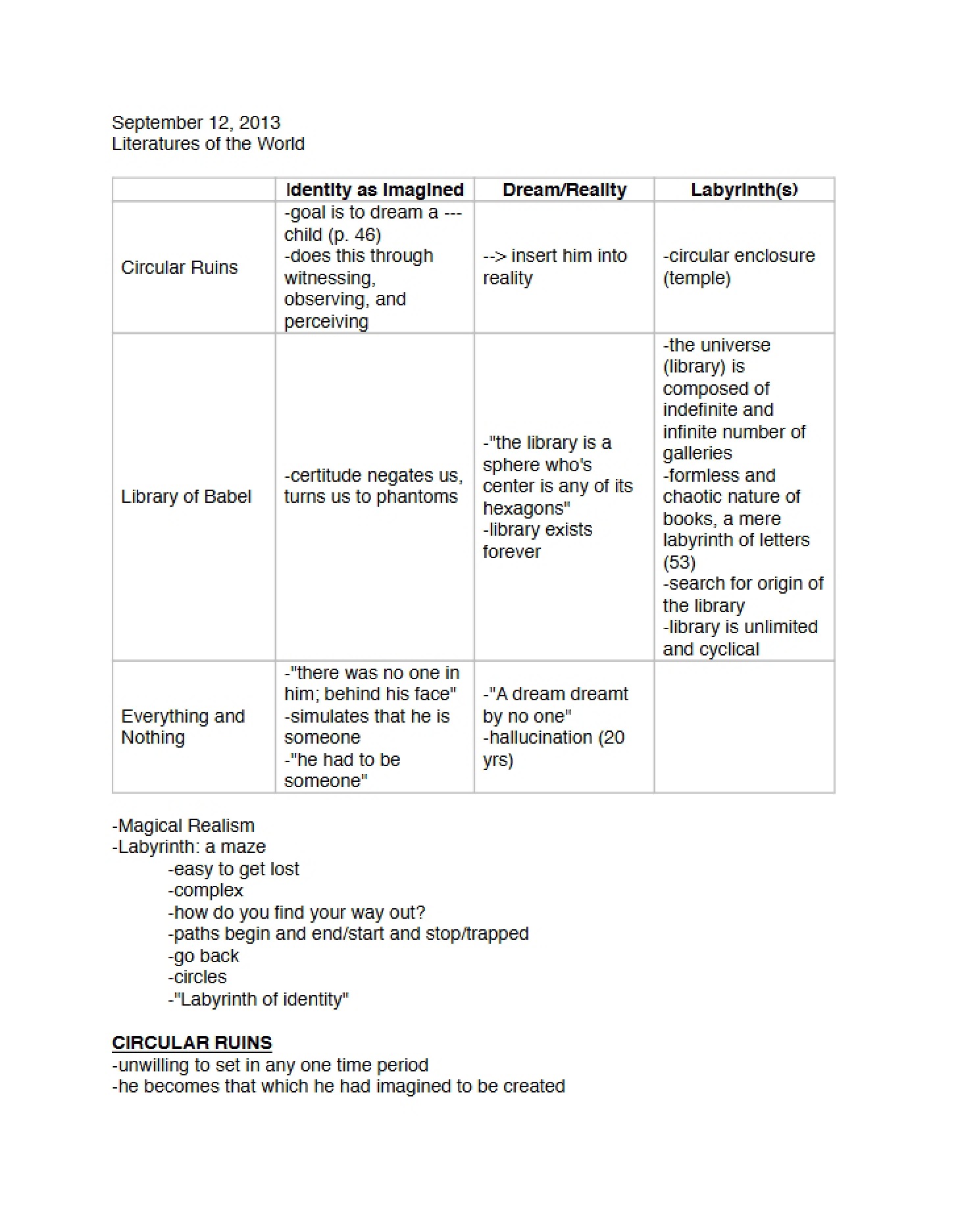
This resource offers a detailed exploration of Italo Calvino’s *Invisible Cities*, a pivotal work within ENG 160: Literatures of the World at the University of Rhode Island. It’s a focused analysis designed to deepen your understanding of the novel’s complex structure and recurring themes. The guide breaks down key sections of Marco Polo’s descriptions to Kublai Khan, examining the underlying philosophical and metaphorical weight of each city presented. It’s not a simple plot summary, but rather a guide to unlocking the layers of meaning embedded within Calvino’s poetic prose.
Why This Document Matters
Students grappling with the abstract nature of *Invisible Cities* will find this particularly helpful. It’s ideal for those preparing for in-class discussions, working on analytical essays, or simply seeking a more robust comprehension of the text. If you’re finding the novel challenging to interpret, or are looking to move beyond surface-level readings, this guide will provide a strong foundation for your studies. It’s best used *while* reading the novel, allowing you to cross-reference and enhance your own interpretations as you progress.
Common Limitations or Challenges
This study guide does not offer definitive interpretations. Instead, it presents a range of analytical perspectives to stimulate your own critical thinking. It will not provide pre-written essay responses or character analyses ready for submission. Furthermore, it focuses specifically on the cities described and their symbolic resonance; it does not delve into extensive biographical information about Calvino or a comprehensive historical context of the work. Access to the full resource is required to reveal the specific insights and detailed breakdowns.
What This Document Provides
* Focused examinations of individual city descriptions (e.g., Diomira, Zaira, Tamara).
* Analysis of recurring motifs and comparative structures within the text.
* Exploration of the relationship between memory, desire, and urban spaces.
* Consideration of the symbolic weight of geographical and architectural details.
* Insights into the dynamic between Marco Polo and Kublai Khan and its implications.
* Discussion of the novel’s broader philosophical themes relating to representation and reality.