What This Document Is
This document provides a focused exploration of fundamental operations related to tree data structures, a core concept in computer science. Specifically, it delves into techniques for manipulating and analyzing binary trees – a foundational structure used in numerous algorithms and applications. It’s designed as a supplemental resource for a Data Structures and Algorithms course, offering a deeper dive into the practical application of tree concepts.
Why This Document Matters
Students enrolled in a Data Structures and Algorithms course, particularly those using Java, will find this resource valuable. It’s ideal for reinforcing classroom learning, preparing for assignments, or gaining a more thorough understanding of tree-based problem-solving. Individuals looking to solidify their understanding of recursive algorithms and data organization will also benefit. This material is most helpful *after* an initial introduction to tree data structures and basic programming concepts. It’s a stepping stone towards more complex tree algorithms and their real-world implementations.
Common Limitations or Challenges
This resource concentrates specifically on operations *on* trees and doesn’t provide a comprehensive introduction to data structures in general. It assumes a basic understanding of object-oriented programming principles and recursion. While it touches upon applications like expression trees, it doesn’t offer exhaustive coverage of all possible tree applications. It also doesn’t include pre-written code libraries or complete, runnable programs – it focuses on the underlying logic and concepts.
What This Document Provides
* A detailed examination of key tree operations, including calculating tree height and counting nodes and leaves.
* An exploration of different tree traversal methods – preorder, inorder, and postorder – and their respective applications.
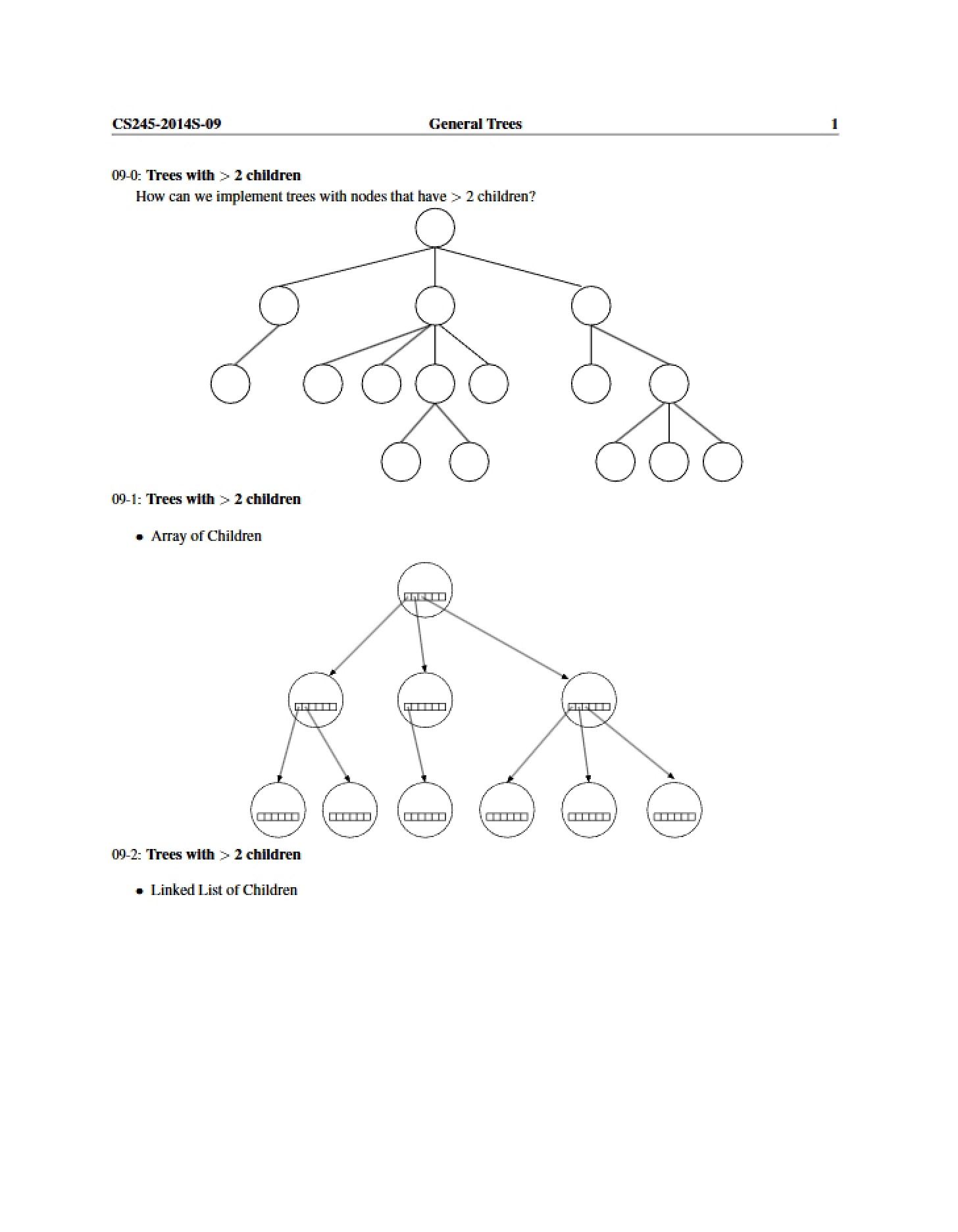
* Discussions on how to visually represent tree structures.
* Conceptual foundations for applying tree operations to solve specific problems, such as evaluating expression trees.
* Illustrative examples to aid in understanding the logic behind each operation (without revealing specific solutions).