What This Document Is
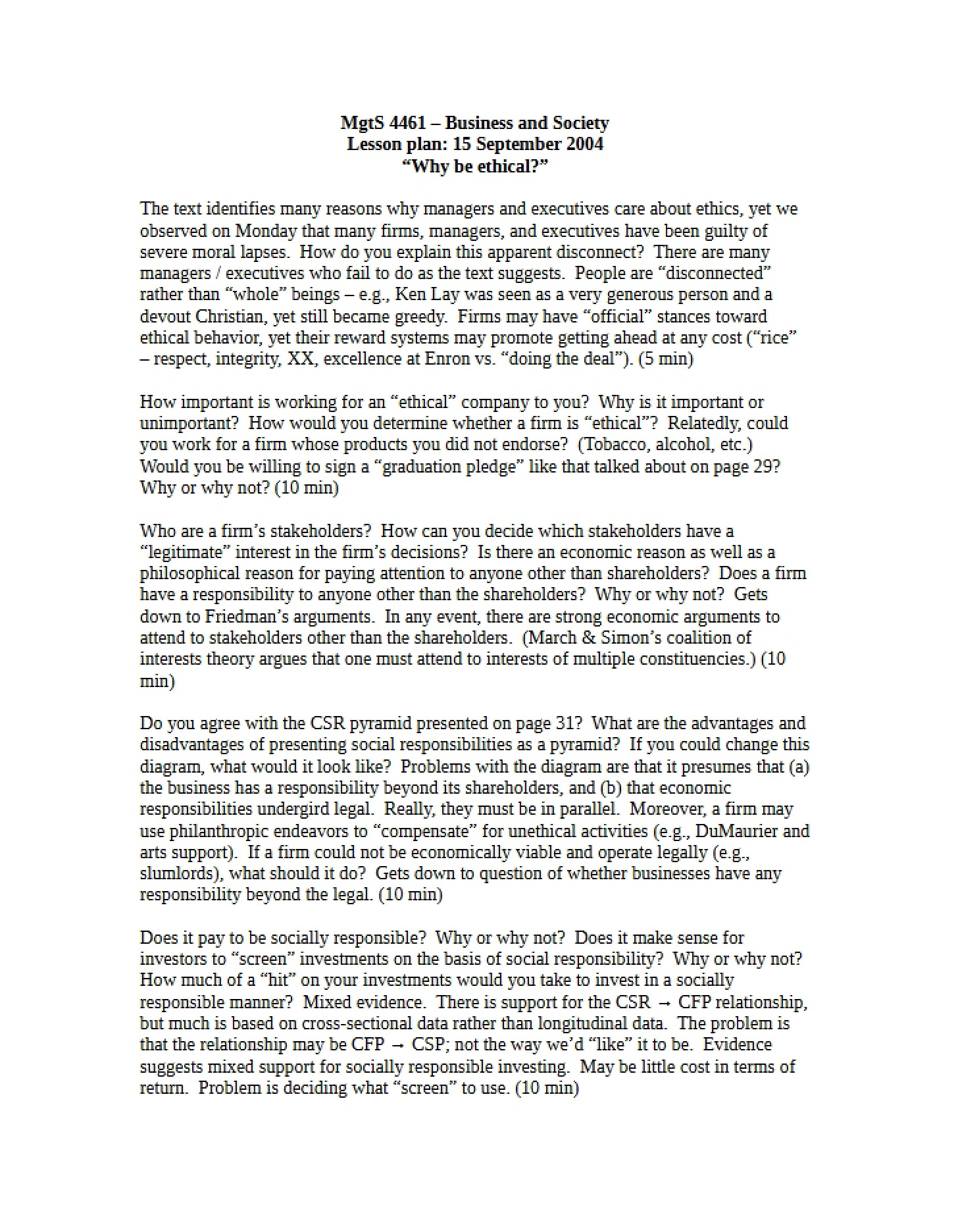
This resource is a focused exploration of the intricate relationship between organizational culture and ethical conduct within businesses. It delves into the ways a company’s underlying values, beliefs, and practices shape – and are shaped by – the ethical decisions made at all levels. The material examines how culture isn’t simply a formal statement, but a living system expressed through everyday interactions and symbolic representations. It’s geared towards upper-level undergraduate and graduate students studying business administration, organizational behavior, or related fields.
Why This Document Matters
Students enrolled in courses like Business and Society, or those preparing for roles in organizational leadership, will find this particularly valuable. It’s ideal for anyone seeking a deeper understanding of how to assess, influence, and navigate the ethical landscape of a company. This material can be used when analyzing case studies, preparing for class discussions, or formulating your own perspectives on corporate responsibility. Understanding these dynamics is crucial for future managers aiming to build and maintain ethical, sustainable organizations.
Common Limitations or Challenges
This resource focuses on the theoretical underpinnings and conceptual frameworks surrounding organizational culture and ethics. It does *not* offer prescriptive solutions to specific ethical dilemmas, nor does it provide a step-by-step guide to implementing cultural change. It also doesn’t cover legal compliance requirements in detail, but rather explores the broader cultural factors that influence ethical behavior *within* the bounds of the law. It’s a foundational piece, best used in conjunction with real-world case analysis and practical application exercises.
What This Document Provides
* An examination of the informal elements that sustain organizational culture.
* Discussion of how accepted standards of behavior impact ethical decision-making.
* Exploration of the role of individuals who embody an organization’s values.
* Analysis of how symbolic actions and narratives communicate cultural norms.
* Considerations regarding the challenges of shifting established organizational cultures.