What This Document Is
This resource is a comprehensive exploration of the historical development of computer operating systems. It delves into the foundational concepts and pivotal advancements that have shaped the OS landscape from its earliest beginnings to more modern approaches. It’s designed to provide a strong understanding of *how* operating systems came to be, not just *what* they are today. This material is geared towards students in a Computer Operating Systems course, offering a crucial historical context for understanding current principles.
Why This Document Matters
This is an essential resource for any student seeking a deeper understanding of operating system fundamentals. It’s particularly valuable for those who want to grasp the reasoning behind current OS designs and appreciate the challenges faced by early computer scientists. It’s ideal for use when beginning a study of OS concepts, as background reading for more advanced topics, or as a reference point throughout your course. Understanding the evolution of these systems provides a powerful framework for learning.
Topics Covered
* Early Computing Environments & Serial Processing
* The Development of Batch Processing Systems
* Key Hardware Advancements Enabling OS Functionality
* The Rise of Multiprogramming and Time-Sharing
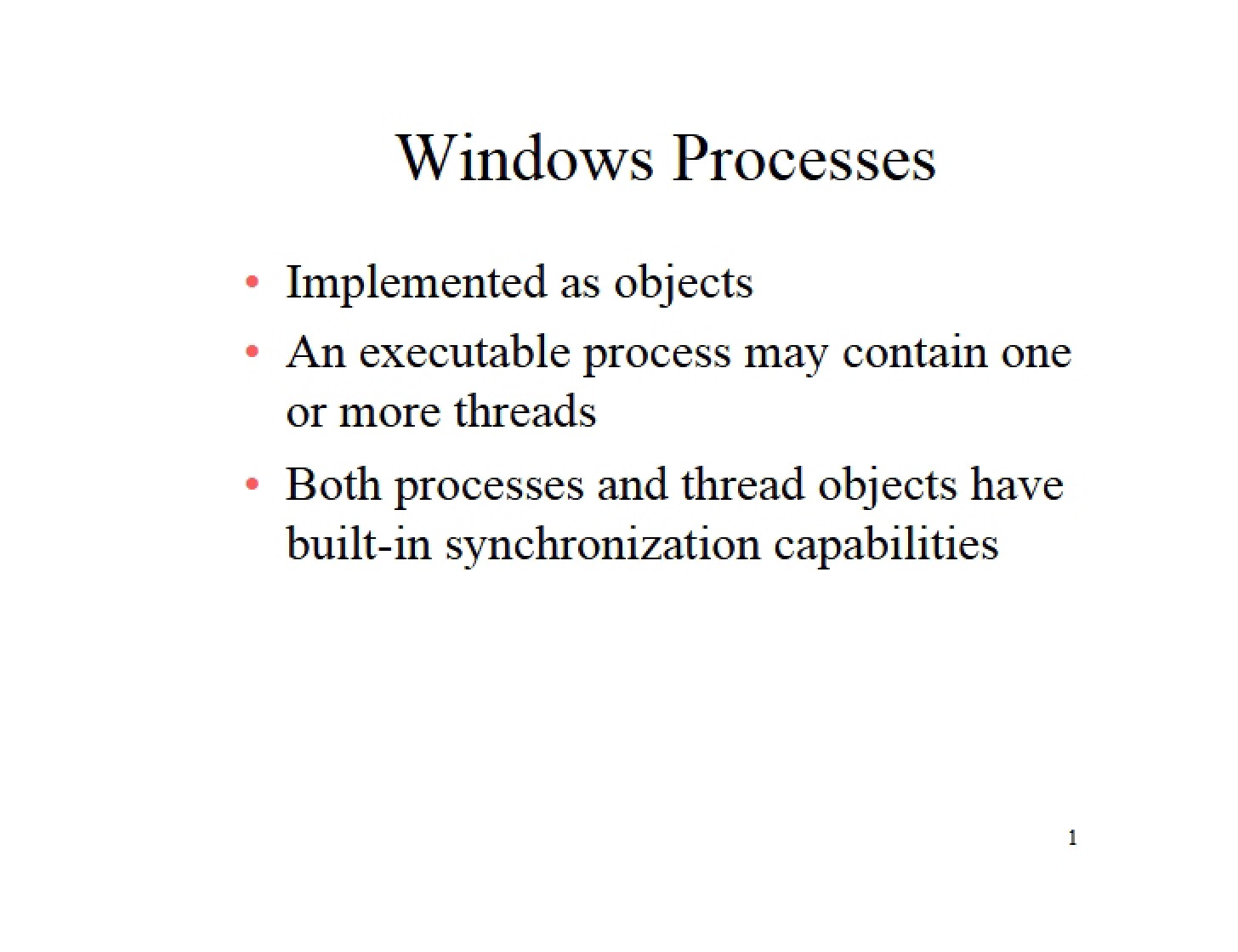
* Fundamental OS Concepts: Processes and Memory Management
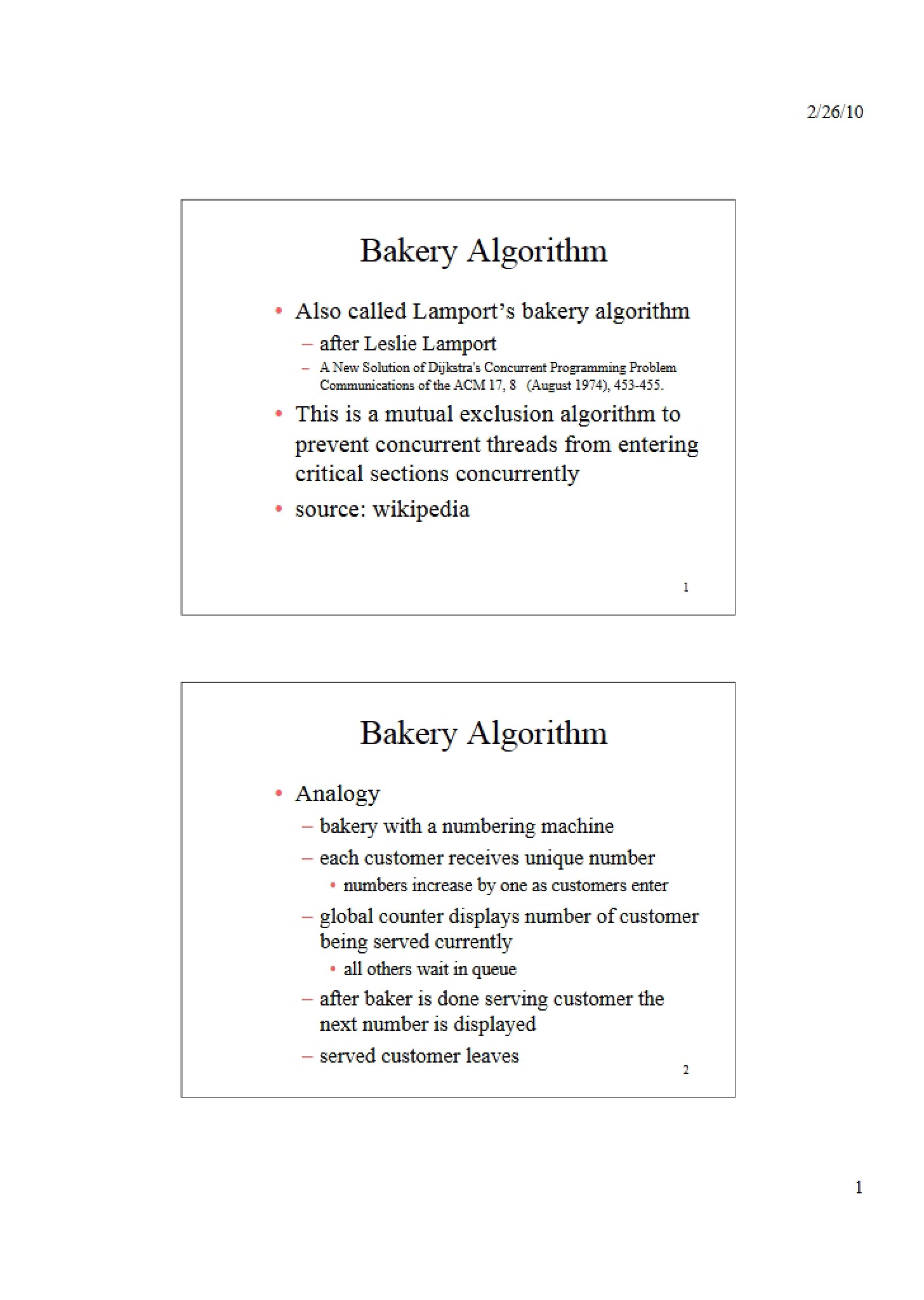
* Challenges in System Software Design (Synchronization, Deadlocks)
* Historical Context of Major OS Achievements
What This Document Provides
* A chronological overview of operating system evolution.
* Discussion of the core components that define operating systems.
* Examination of the relationship between hardware capabilities and OS development.
* Insight into the motivations and solutions behind key OS design decisions.
* A foundation for understanding advanced operating system concepts.