What This Document Is
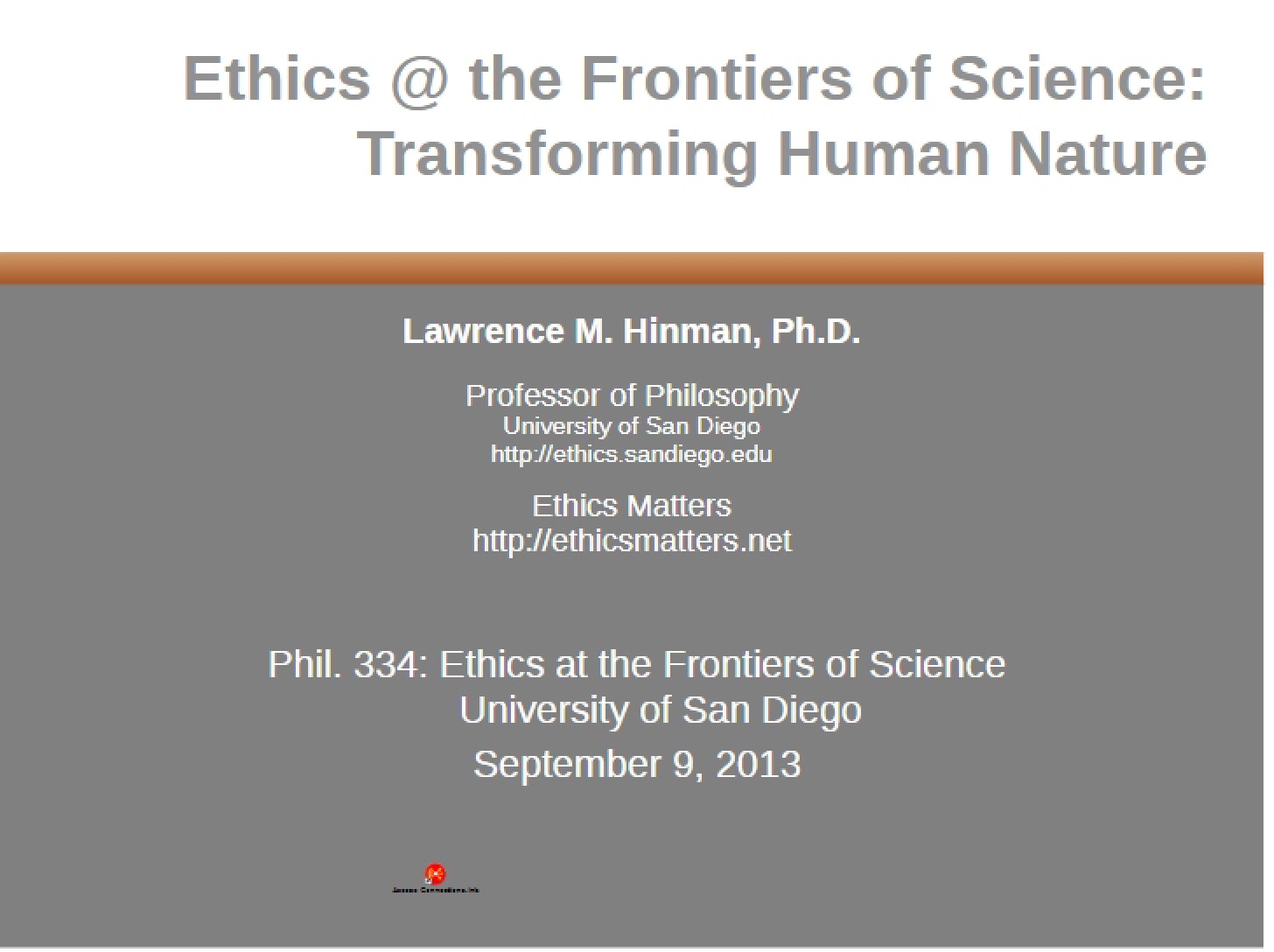
This document offers a foundational overview of core ethical theories, designed for students engaging with complex moral issues – particularly within the context of emerging science and technology. It systematically explores different approaches to ethical reasoning, laying the groundwork for nuanced discussions and critical analysis. The material presents a structured examination of the fundamental questions that have shaped ethical thought throughout history.
Why This Document Matters
This resource is invaluable for students in philosophy, bioethics, pre-law, and related fields. It’s particularly helpful when first encountering ethical frameworks and grappling with how to apply them to real-world dilemmas. It serves as an excellent starting point for understanding the diverse perspectives that inform ethical debates, and is ideal for use at the beginning of a course or when preparing for in-depth study of specific ethical issues. Anyone seeking a clear and organized introduction to the major schools of ethical thought will find this beneficial.
Common Limitations or Challenges
This overview is intended as an introductory resource and does not delve into exhaustive detail on any single theory. It provides a broad landscape of ethical thought, but does not offer definitive answers or solutions to complex moral problems. It also doesn’t include case studies or applications to specific neuroethical scenarios – those are typically explored in supplemental materials. It’s a foundational piece, meant to be built upon with further research and critical thinking.
What This Document Provides
* A categorization of the primary approaches to ethical reasoning.
* An exploration of the central question(s) at the heart of ethical inquiry.
* A discussion of the distinctions between act-oriented and character-based ethical theories.
* An outline of different perspectives within consequentialist ethics, including considerations of scope and measurement.
* An overview of rule-based ethical systems and their underlying principles.
* A brief consideration of the role of religion in shaping ethical frameworks.
* An introduction to the concept of ethical pluralism.