What This Document Is
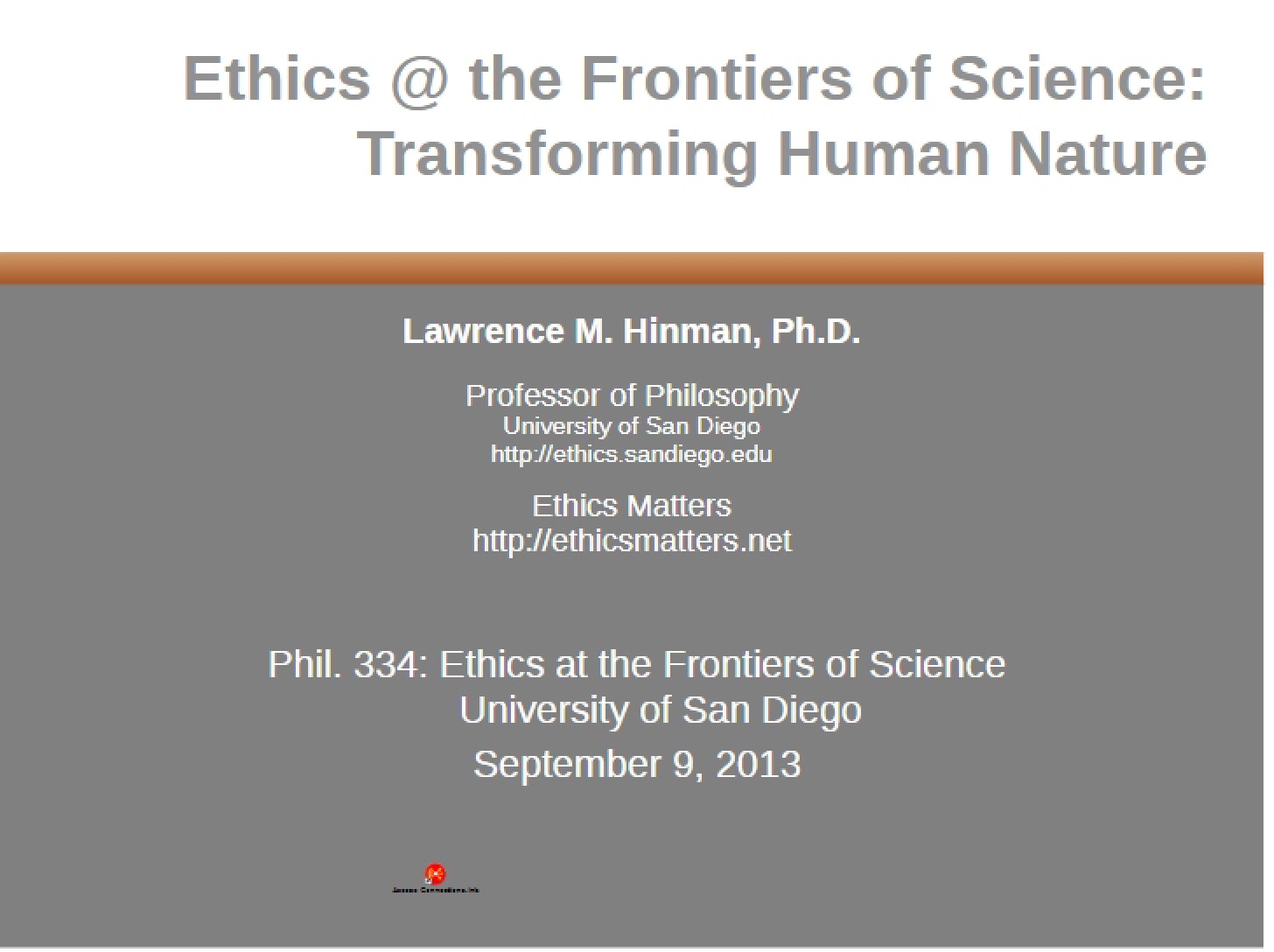
This document is a lecture and discussion outline for an upper-level undergraduate course in Neuroethics, specifically focusing on “Science Frontiers and Ethics” at the University of San Diego. It provides a snapshot of emerging scientific advancements as of early 2008 and frames them within a philosophical and ethical context. The material explores the rapidly evolving intersection of scientific possibility and moral responsibility, examining areas where technological progress is outpacing established ethical guidelines. It’s designed to stimulate critical thinking about the societal implications of groundbreaking research.
Why This Document Matters
Students enrolled in philosophy, bioethics, neuroscience, or related fields will find this resource particularly valuable. It’s ideal for those seeking to understand the ethical debates surrounding cutting-edge scientific developments. This material is most useful when preparing for class discussions, formulating research questions, or seeking a broad overview of the ethical landscape in areas like genetic engineering, stem cell research, and emerging technologies. Anyone interested in the societal impact of science and technology will benefit from exploring the issues raised within.
Common Limitations or Challenges
This document represents a specific point in time (2008) and therefore doesn’t reflect the most current scientific breakthroughs or the evolution of ethical perspectives since then. It serves as a foundational overview and does not offer exhaustive coverage of any single topic. It is not a substitute for primary research or in-depth study of specific ethical frameworks. The document presents a range of scientific developments but does not provide detailed scientific explanations of the processes involved.
What This Document Provides
* An overview of key scientific areas presenting new ethical challenges: stem cell research, genetics, neurosciences, robotics, and computing.
* Discussion points related to the ethical implications of cloning technologies and artificial life.
* References to contemporary news articles and scientific publications from 2007-2008, illustrating real-world applications and debates.
* Considerations regarding the impact of these advancements on fundamental concepts like human identity, privacy, and free will.
* An exploration of the concept of “ethical vacuums” – situations where technology surpasses existing ethical frameworks.