What This Document Is
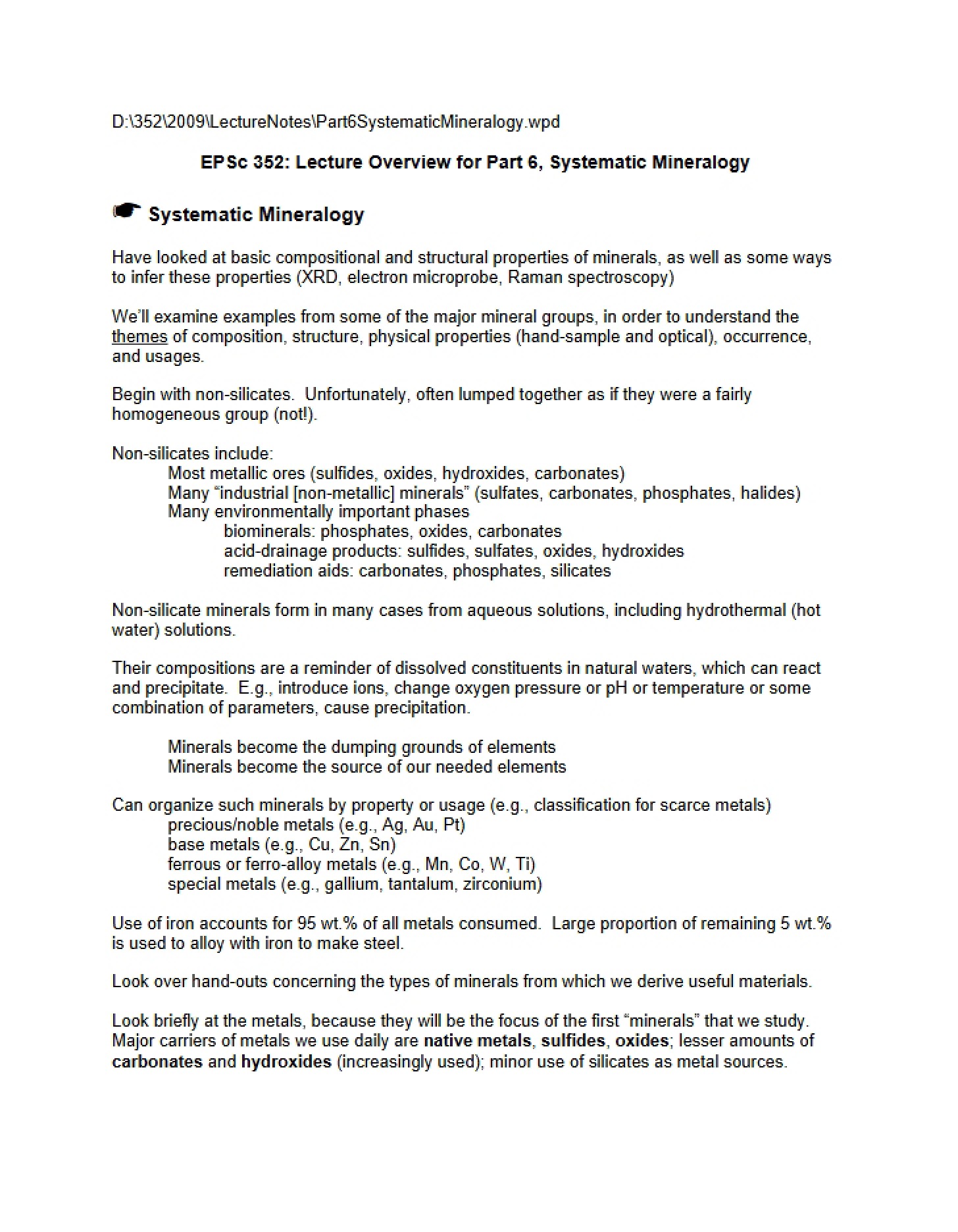
This is a lecture overview for Part Six of EPSc 352: Earth Materials, focusing on Systematic Mineralogy at Washington University in St. Louis. It serves as a guide to the core concepts and organization used when studying non-silicate minerals – a diverse group often overlooked in broader mineralogy discussions. The overview details how mineral characteristics are linked to their formation environments and practical applications, bridging the gap between theoretical understanding and real-world relevance.
Why This Document Matters
This resource is invaluable for students enrolled in an introductory mineralogy course, particularly those seeking to understand the broader context of mineral classification and economic geology. It’s most helpful *before* diving into detailed mineral descriptions, providing a framework for organizing and remembering key properties. Students preparing for lectures or labs on non-silicate minerals will find this overview particularly useful for anticipating key themes and preparing questions. It’s designed to enhance comprehension of complex mineral systems.
Common Limitations or Challenges
This overview is a high-level guide and does *not* contain detailed mineral descriptions, specific chemical formulas, or step-by-step identification procedures. It won’t provide the in-depth structural analyses or optical properties needed for mineral identification in the lab. Access to the full content is required for a complete understanding of the mineral groups discussed and the specific examples used to illustrate key concepts. It assumes a foundational understanding of basic mineral properties and crystallography.
What This Document Provides
* An overview of the organizational approach to studying non-silicate minerals.
* Discussion of the relationship between mineral composition, structure, and occurrence.
* Insight into the connection between mineral formation and natural water chemistry.
* Categorization of metals based on geological abundance and usage.
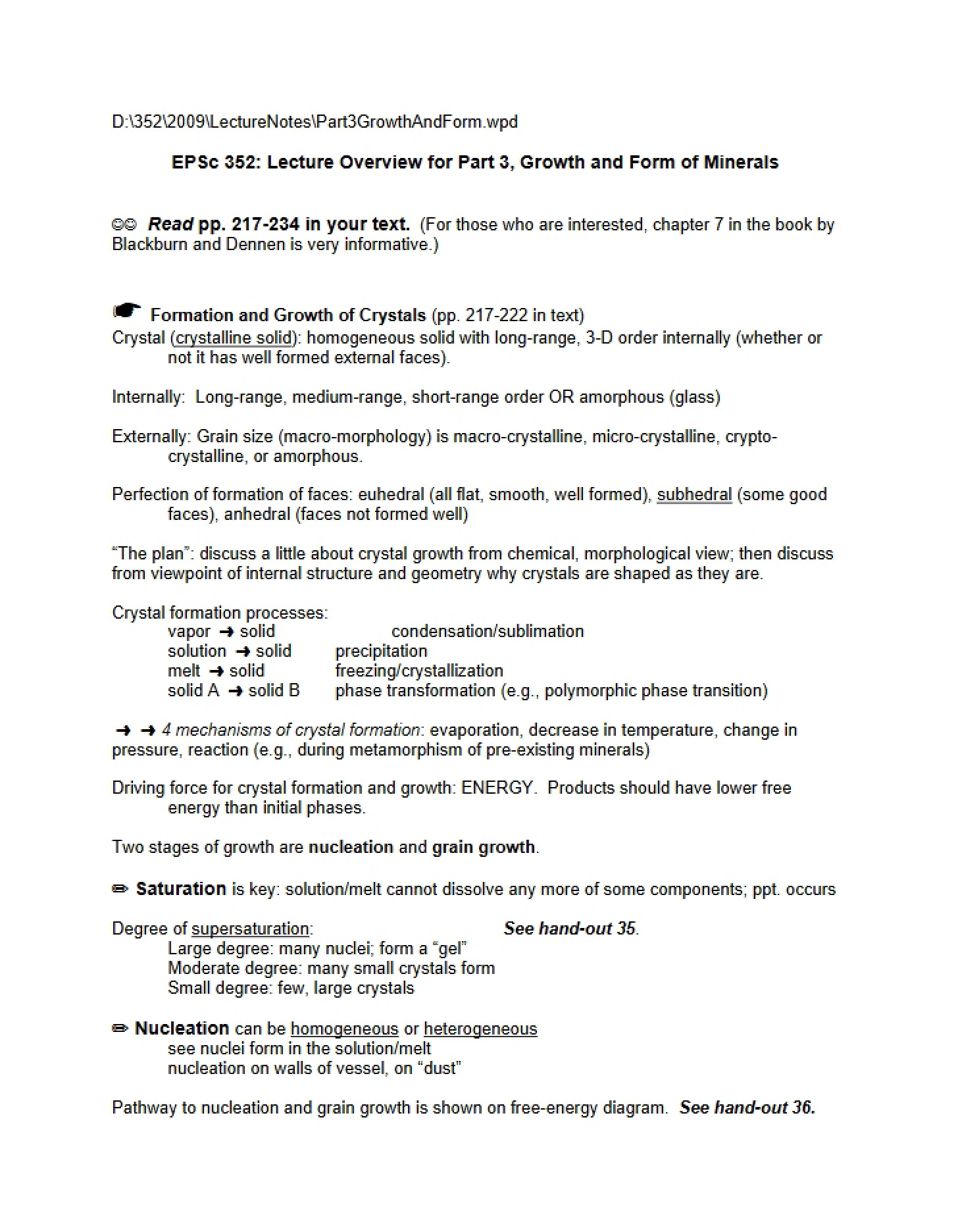
* A preview of the structural considerations relevant to understanding non-silicate mineral groups.
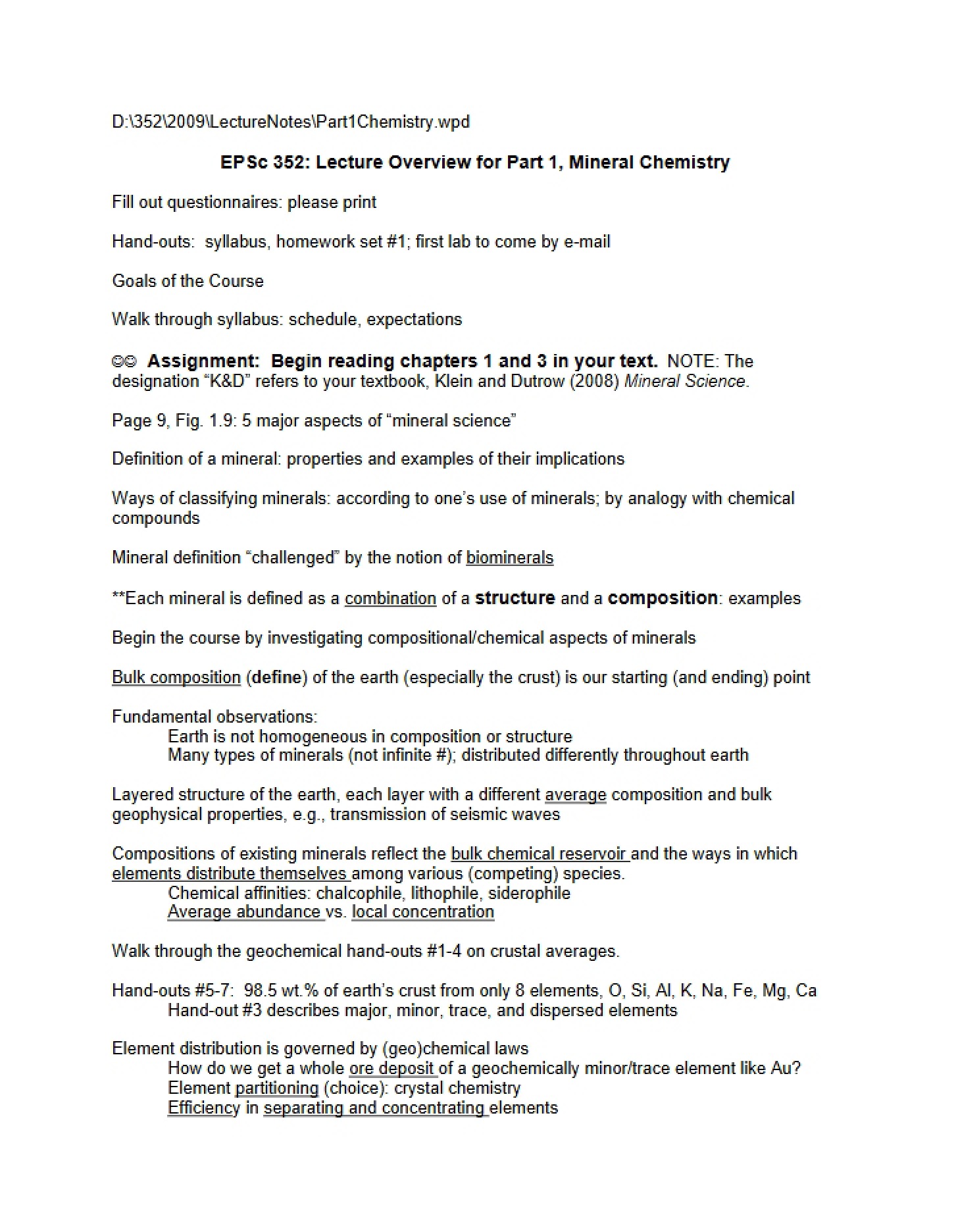
* Identification of key textbook chapters for supplemental reading.