What This Document Is
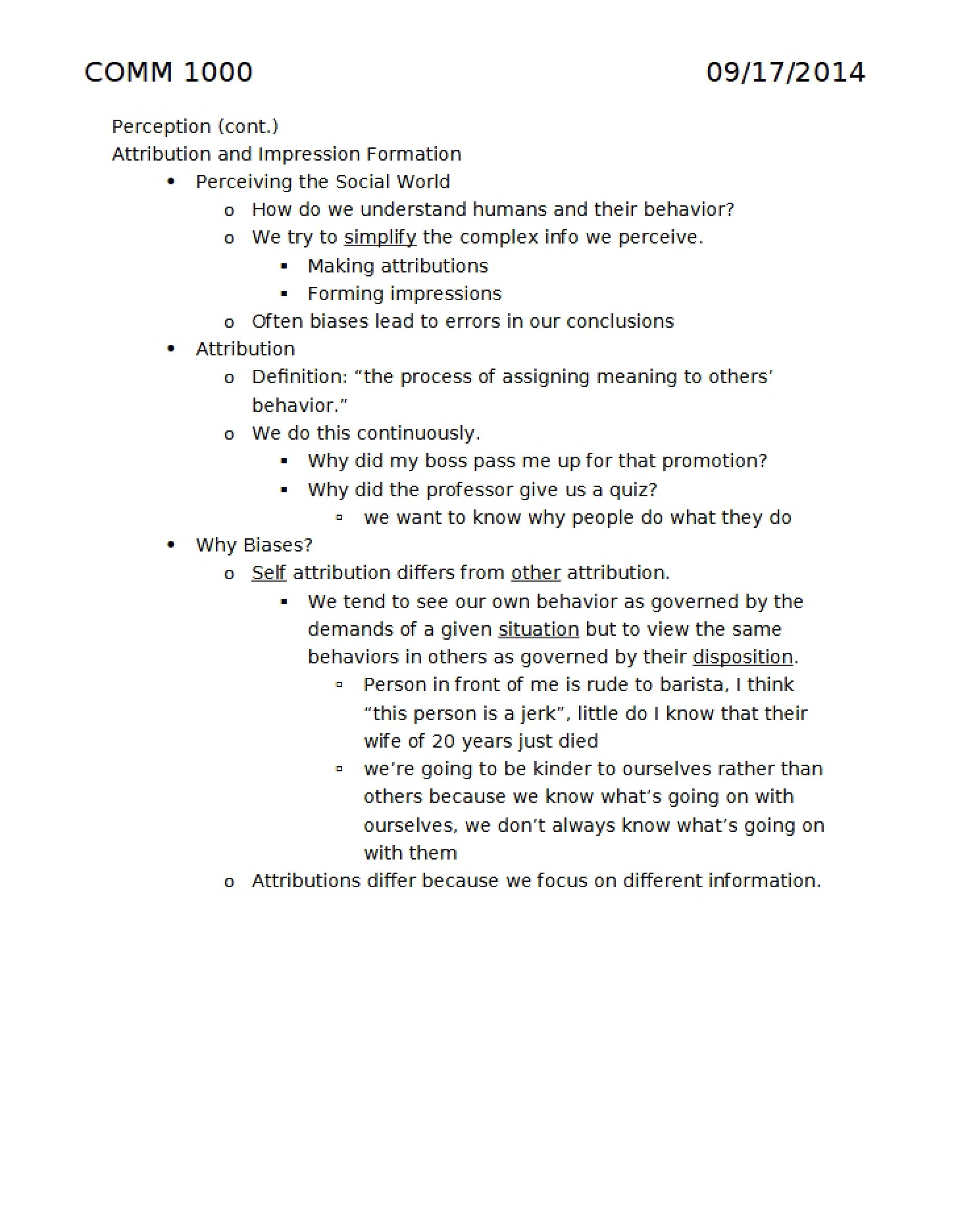
This study guide delves into the core principles of persuasion, a fundamental aspect of effective communication. Designed for students in Communications (Comm 10) at UCLA, it explores the theories and techniques behind influencing beliefs, attitudes, and behaviors. It’s a comprehensive resource for understanding how persuasive messages are constructed and received, moving beyond simple rhetoric to examine the psychological processes at play. This guide provides a foundational understanding of the complexities involved in attempting to change someone’s mind.
Why This Document Matters
This resource is invaluable for any student seeking to master the art of communication. Whether you’re preparing for class discussions, crafting persuasive presentations, analyzing media messages, or simply navigating everyday interactions, a strong grasp of persuasion techniques is essential. It’s particularly helpful when you need to understand *why* certain communication strategies are effective – or ineffective – and how to apply that knowledge in various contexts. This guide will be most useful during coursework focused on communication theory, interpersonal communication, and media studies.
Topics Covered
* The relationship between persuasion and successful communication outcomes.
* Core definitions of attitudes and the factors that shape them.
* Theories of psychological consistency and how individuals strive for balance in their beliefs.
* Methods for utilizing consistency in persuasive messaging.
* Cognitive dissonance and its impact on decision-making.
* The Elaboration Likelihood Model and its two routes to persuasion.
* Various compliance-gaining tactics and their underlying principles.
* The role of credibility in persuasive communication.
What This Document Provides
* A working definition of persuasion, outlining its key components.
* Exploration of established theories like Balance Theory and Cognitive Dissonance.
* Examination of how individuals process information and respond to persuasive appeals.
* Insights into the ethical considerations surrounding persuasive techniques.
* A framework for analyzing persuasive messages in real-world scenarios.
* Discussion points to encourage critical thinking about the nature of credibility.