What This Document Is
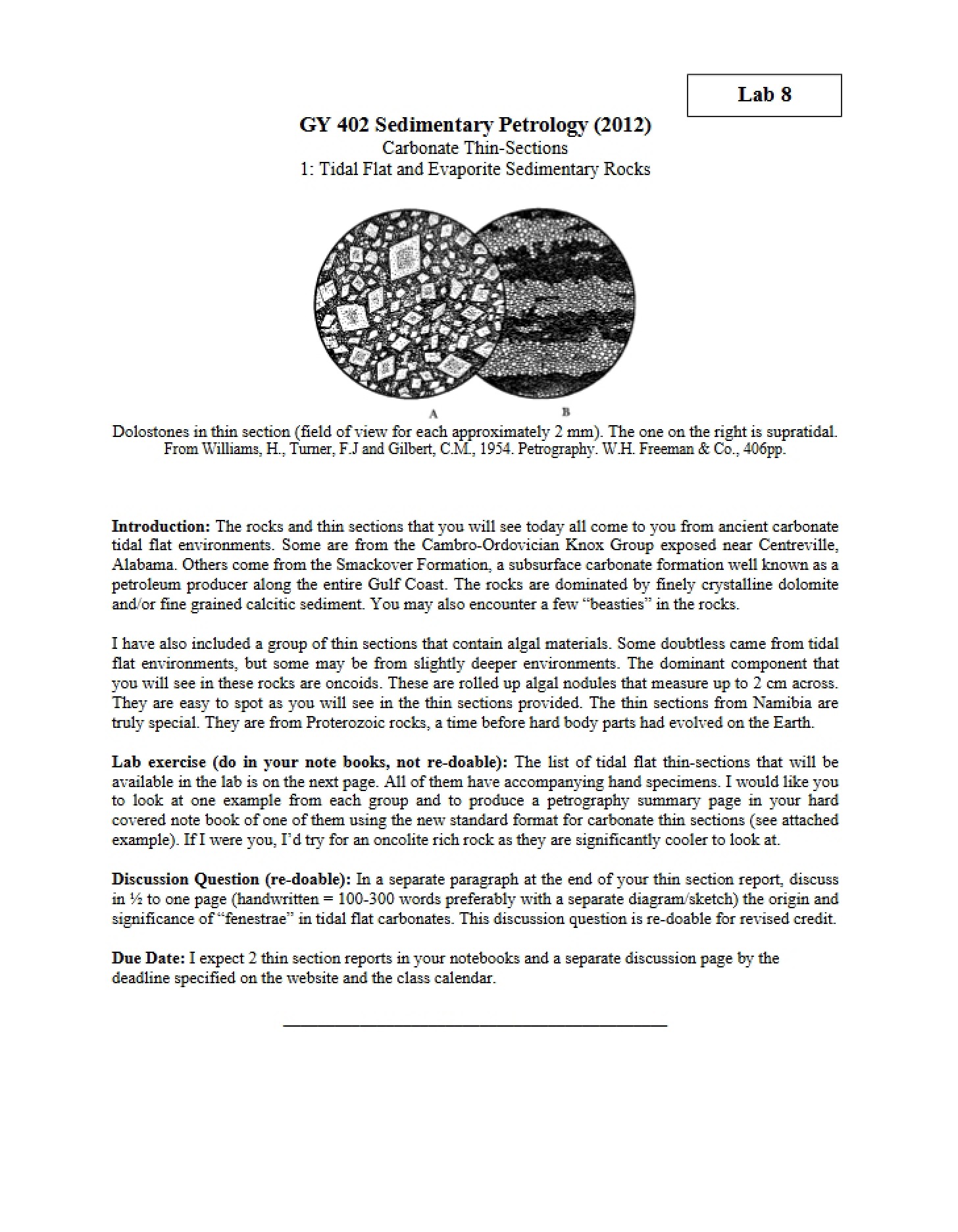
This is a lecture resource focusing on the microscopic study of carbonate rocks – a core component of sedimentary petrology. Specifically, it delves into the identification and characteristics of non-skeletal allochems, which are crucial building blocks within carbonate sedimentary systems. It builds upon prior knowledge of carbonate classification and petrographic techniques, expanding the understanding of rock composition beyond biogenic origins. The material is geared towards advanced undergraduate and graduate students in geology or related earth science disciplines.
Why This Document Matters
Students enrolled in sedimentary petrology, particularly those specializing in carbonate systems, will find this resource invaluable. It’s designed to support coursework involving thin section analysis and the interpretation of depositional environments. Understanding allochem types is fundamental to reconstructing past marine conditions and deciphering the geological history recorded in carbonate rocks. This material is most beneficial when used in conjunction with laboratory exercises and hands-on petrographic observation.
Common Limitations or Challenges
This resource focuses on the *characteristics* of different allochem types, but it does not provide a comprehensive guide to identifying all sedimentary components. It assumes a foundational understanding of carbonate mineralogy, basic petrographic techniques (polarized light microscopy), and sedimentary textures. Detailed descriptions of diagenetic alterations or advanced interpretive workflows are not included. It also does not cover skeletal allochems in detail.
What This Document Provides
* An overview of the classification of carbonate sedimentary rocks based on allochem content.
* A focused exploration of non-skeletal allochems – their formation and significance.
* Detailed descriptions of key non-skeletal allochem types, including ooids, peloids, and intraclasts.
* Discussion of the environmental conditions favorable for the development of specific allochem types.
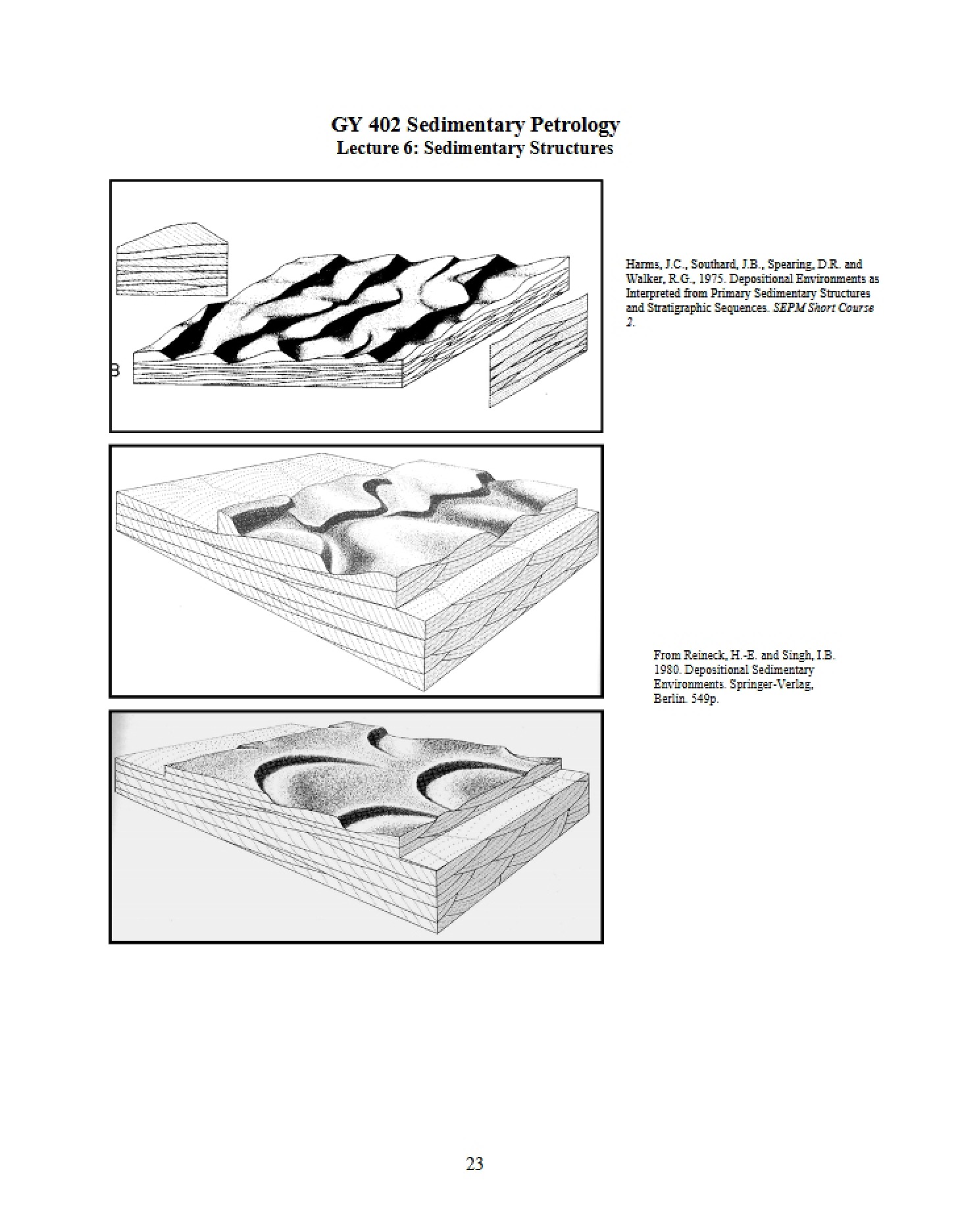
* Visual references to aid in understanding the context of these features within larger sedimentary systems.