What This Document Is
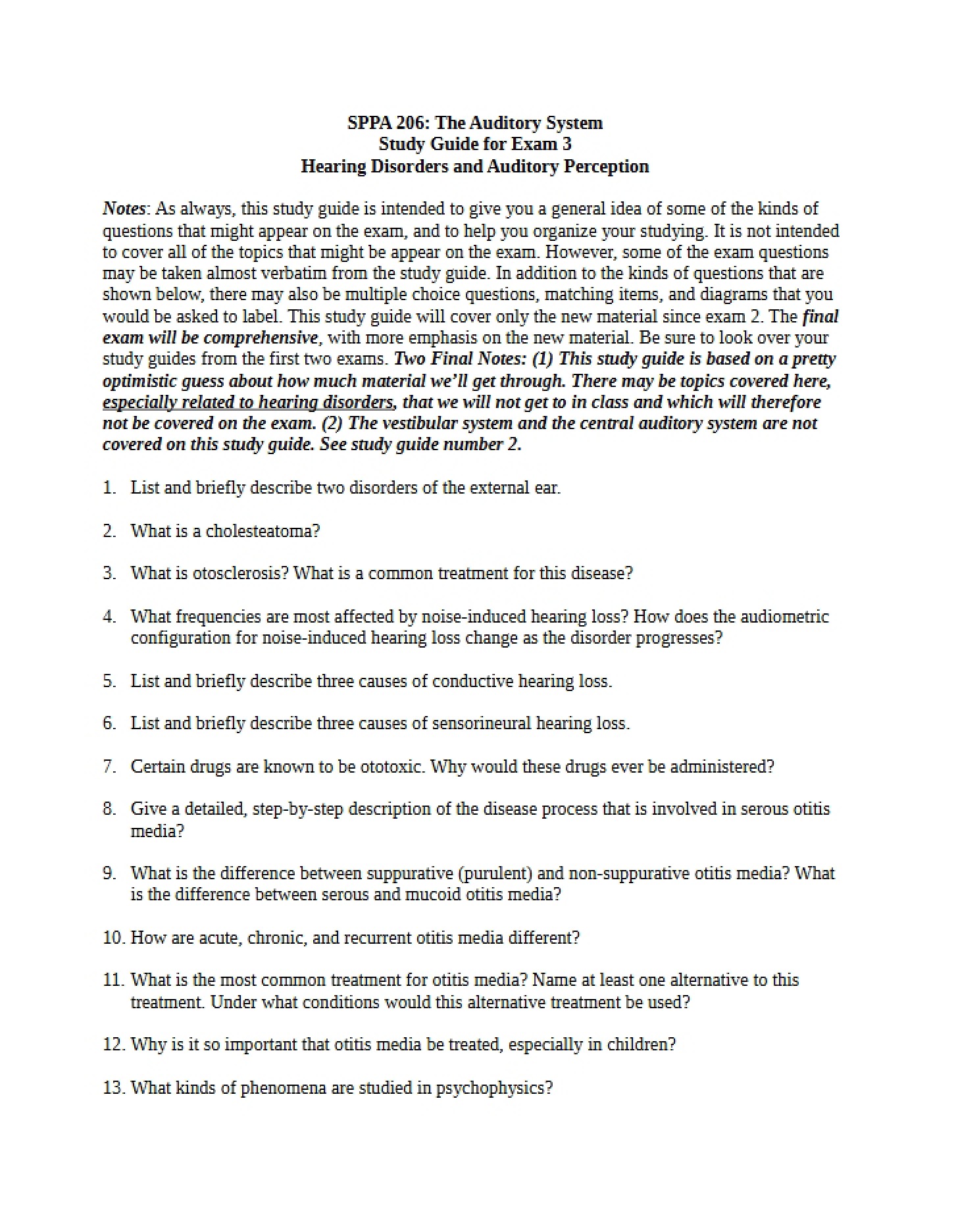
This resource is a focused exploration of the foundational physics principles underlying the phenomenon of sound. Specifically, it delves into the physical properties of sound waves and how they relate to communication – with a strong emphasis on speech. It’s designed to build a core understanding of sound as a physical entity, moving beyond simply *hearing* sound to understanding *what it is*. The material establishes a basis for more complex topics within hearing science and related fields.
Why This Document Matters
This is an essential resource for students in hearing science, speech-language pathology, audiology, and related disciplines. It’s particularly valuable when first encountering the scientific basis of sound, or when needing a refresher on core concepts. Anyone seeking a deeper understanding of how sound is produced, travels, and is ultimately perceived will find this a helpful starting point. It’s best used as a foundational read *before* tackling more specialized topics like acoustics, psychoacoustics, or the mechanics of the ear.
Common Limitations or Challenges
This material focuses on the *physics* of sound. It does not cover the biological aspects of hearing, neurological processing of auditory information, or clinical applications of hearing science. It also doesn’t provide detailed mathematical derivations or complex calculations – the focus is on conceptual understanding. While it touches on the role of sound in speech, it doesn’t offer a comprehensive overview of speech production or perception.
What This Document Provides
* An examination of the relationship between vibration and sound wave creation.
* Discussion of the necessary conditions for sound propagation.
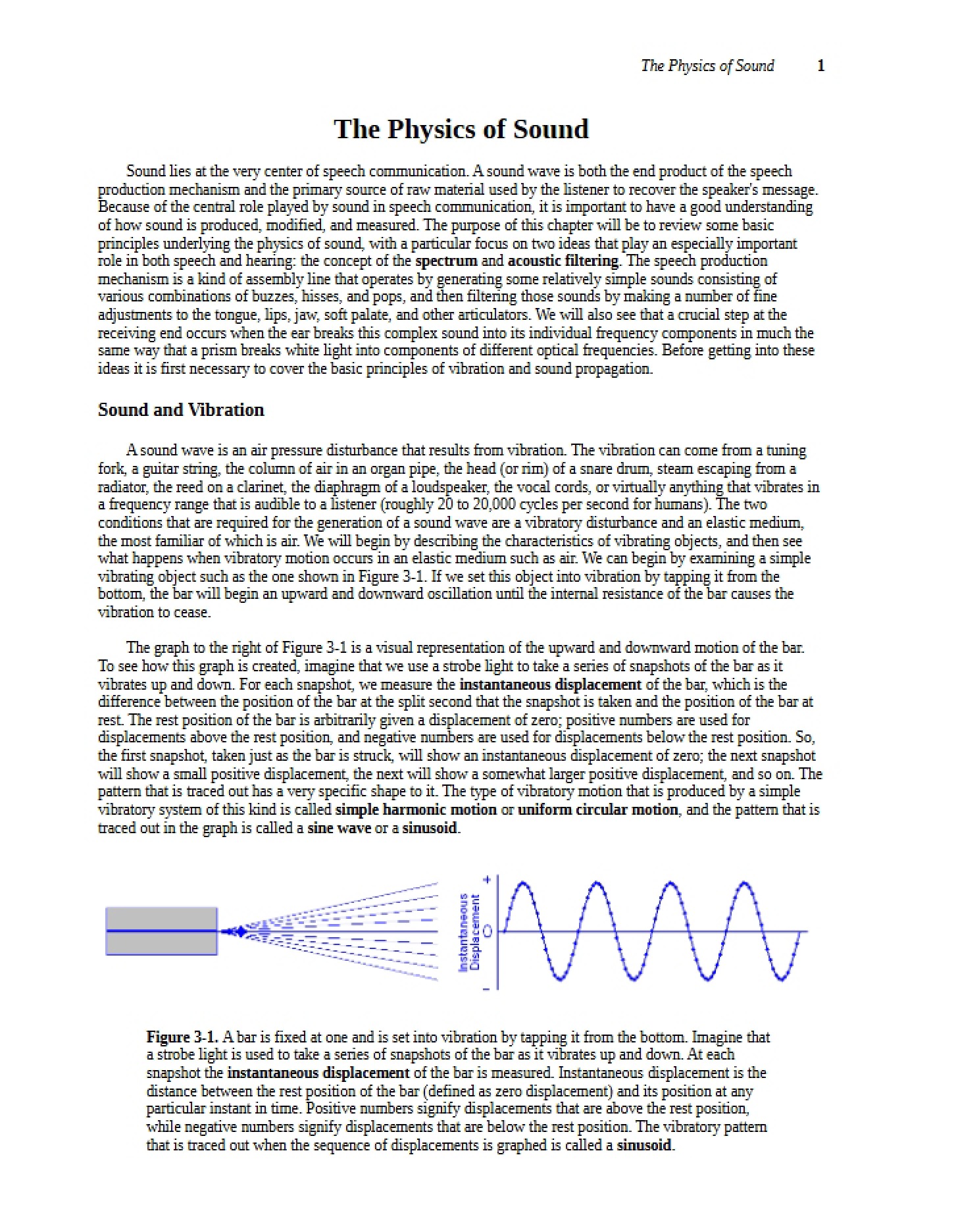
* Introduction to key concepts related to describing vibratory motion.
* Exploration of how complex sounds are built from simpler components.
* A foundation for understanding acoustic analysis and filtering.
* Visual representations to aid in grasping abstract concepts.