What This Document Is
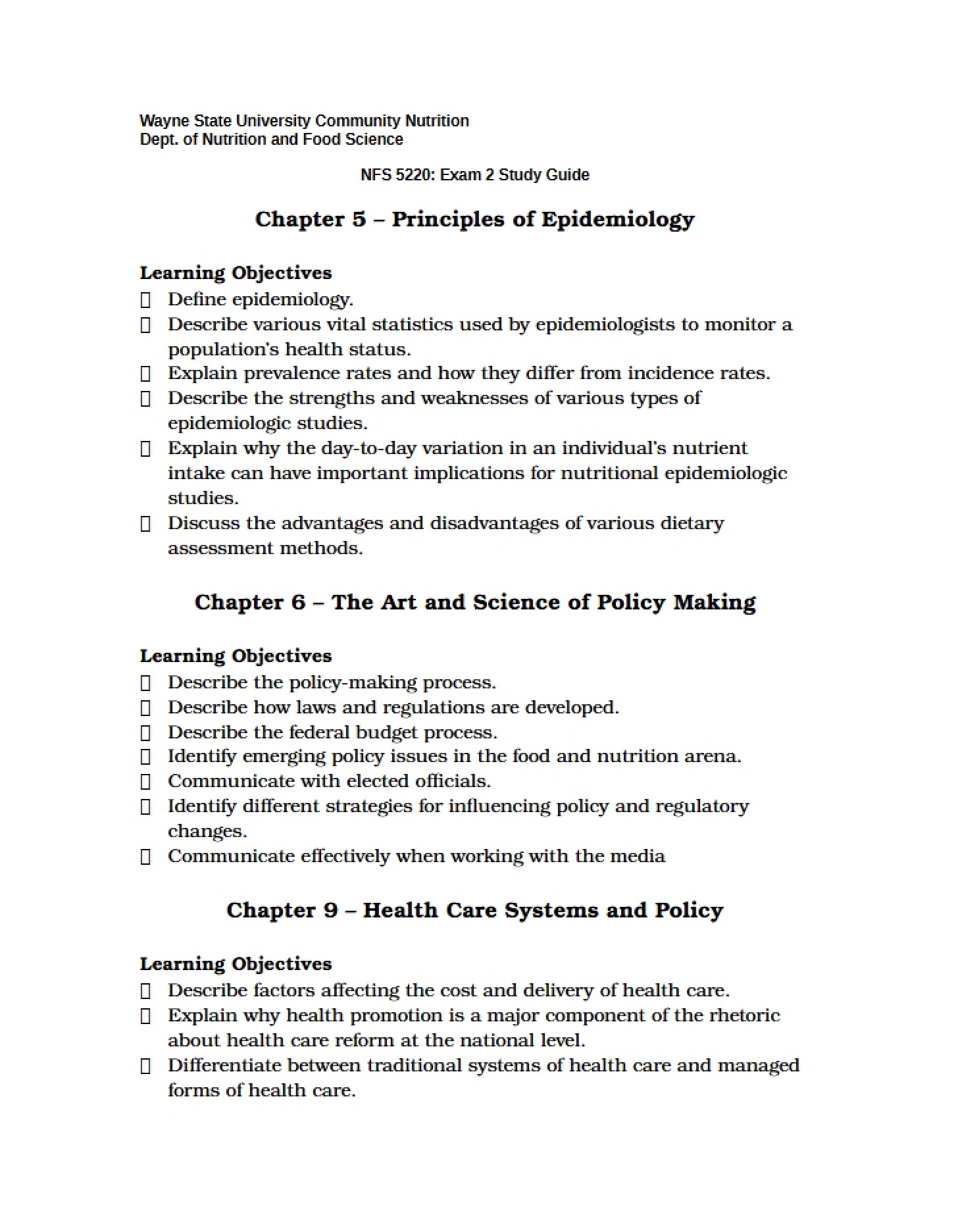
This resource is a chapter excerpt focusing on the complex landscape of health care systems and related policy within the United States. It provides a foundational overview of how health care is financed, delivered, and regulated, examining the various models currently in use. The material delves into the structures and mechanisms that shape access to care and influence health care costs. It’s designed for students seeking a comprehensive understanding of the forces at play in the American health care environment.
Why This Document Matters
This chapter is particularly valuable for students in community nutrition and public health programs, as well as those pursuing careers in health administration, social work, or policy-making. Understanding the intricacies of health care systems is crucial for developing effective community health interventions and advocating for equitable access to care. It’s most helpful when studying health policy, health economics, or the social determinants of health. Professionals working to navigate the health care system for clients or patients will also find this information beneficial.
Common Limitations or Challenges
This excerpt offers a broad overview of the US health care system. It does *not* provide detailed legal analyses of specific policies, nor does it offer step-by-step guides to navigating insurance claims or enrollment processes. It also doesn’t present current legislative updates or predict future policy changes – the focus is on establishing a core understanding of existing structures. It’s intended as a starting point for deeper exploration, not a complete and exhaustive resource.
What This Document Provides
* An examination of different types of private health insurance plans.
* A breakdown of government-funded health insurance programs, including eligibility requirements and coverage details.
* An overview of alternative health care plans and resources.
* Discussion of the factors contributing to rising health care costs.
* Exploration of strategies aimed at containing those costs.
* Insight into the challenges faced by the uninsured population.