What This Document Is
This material represents lecture notes from a University of Southern California Law, Politics, and Public Policy (POSC 130) course session held on February 4th. It delves into the complex interplay between law, political strategy, and public policy, focusing on how different political dynamics influence policy outcomes. The core of the material explores theoretical frameworks for understanding how costs and benefits are perceived in various political scenarios, and how these perceptions shape political action. It then transitions into a discussion of the role of law and courts within the broader political landscape.
Why This Document Matters
Students enrolled in POSC 130, or those studying American politics, constitutional law, or public policy, will find this resource particularly valuable. It’s ideal for reinforcing concepts discussed in class, preparing for discussions, and building a foundational understanding of the forces that shape legal and political decision-making. Individuals seeking to analyze real-world political events through a structured, analytical lens will also benefit from the frameworks presented. This material is best used *in conjunction* with course readings and lectures for a complete understanding.
Common Limitations or Challenges
This material is a snapshot of a single lecture session and does not represent a comprehensive overview of the entire course. It does not include assigned readings, detailed case studies, or practice questions. It focuses on conceptual frameworks and theoretical discussions, and does not offer definitive answers or solutions to complex political problems. It’s designed to *supplement* – not replace – active participation in the course and independent study.
What This Document Provides
* An exploration of different political “arenas” based on the distribution of costs and benefits.
* Discussion of how opportunity structures and strategic choices influence political mobilization.
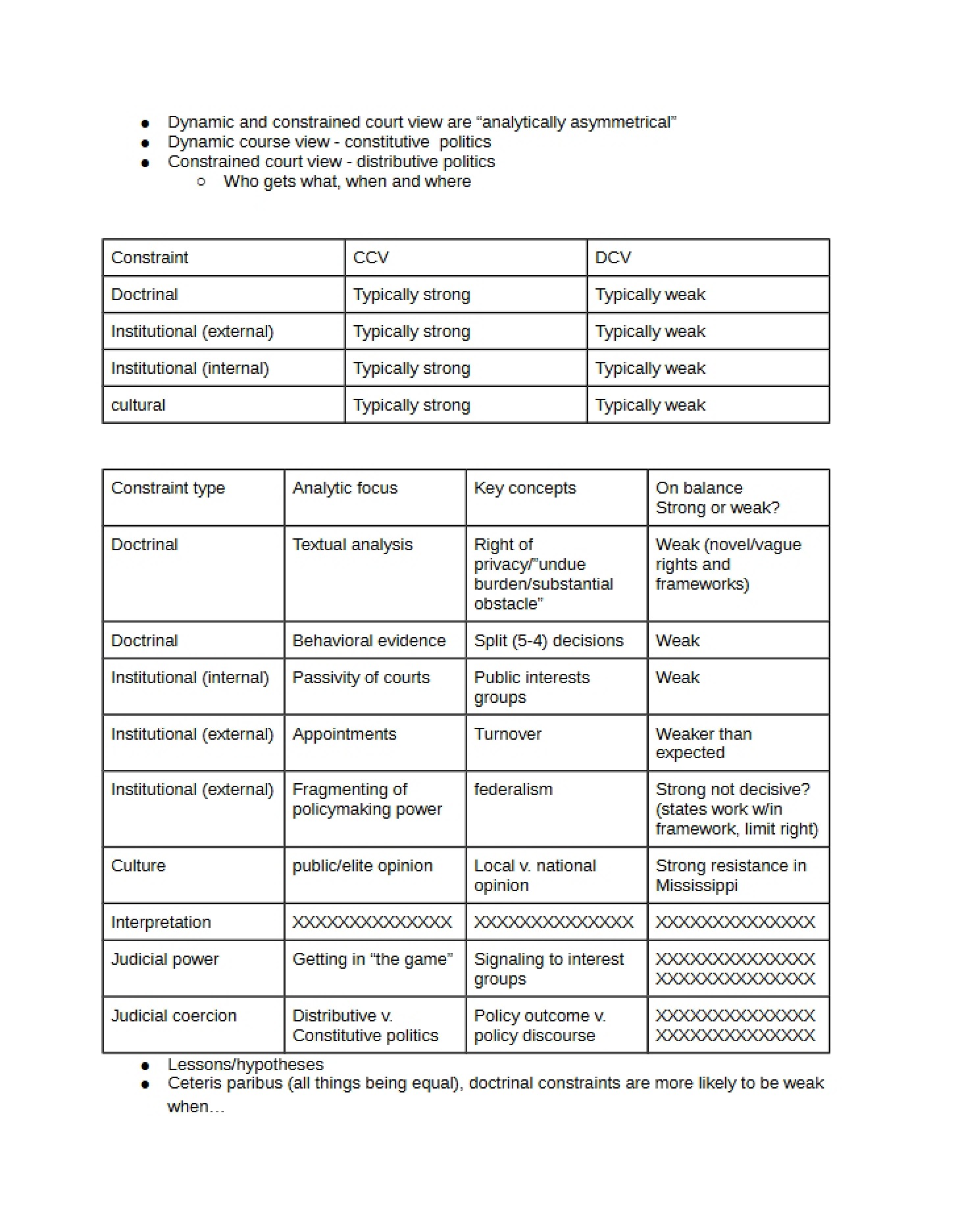
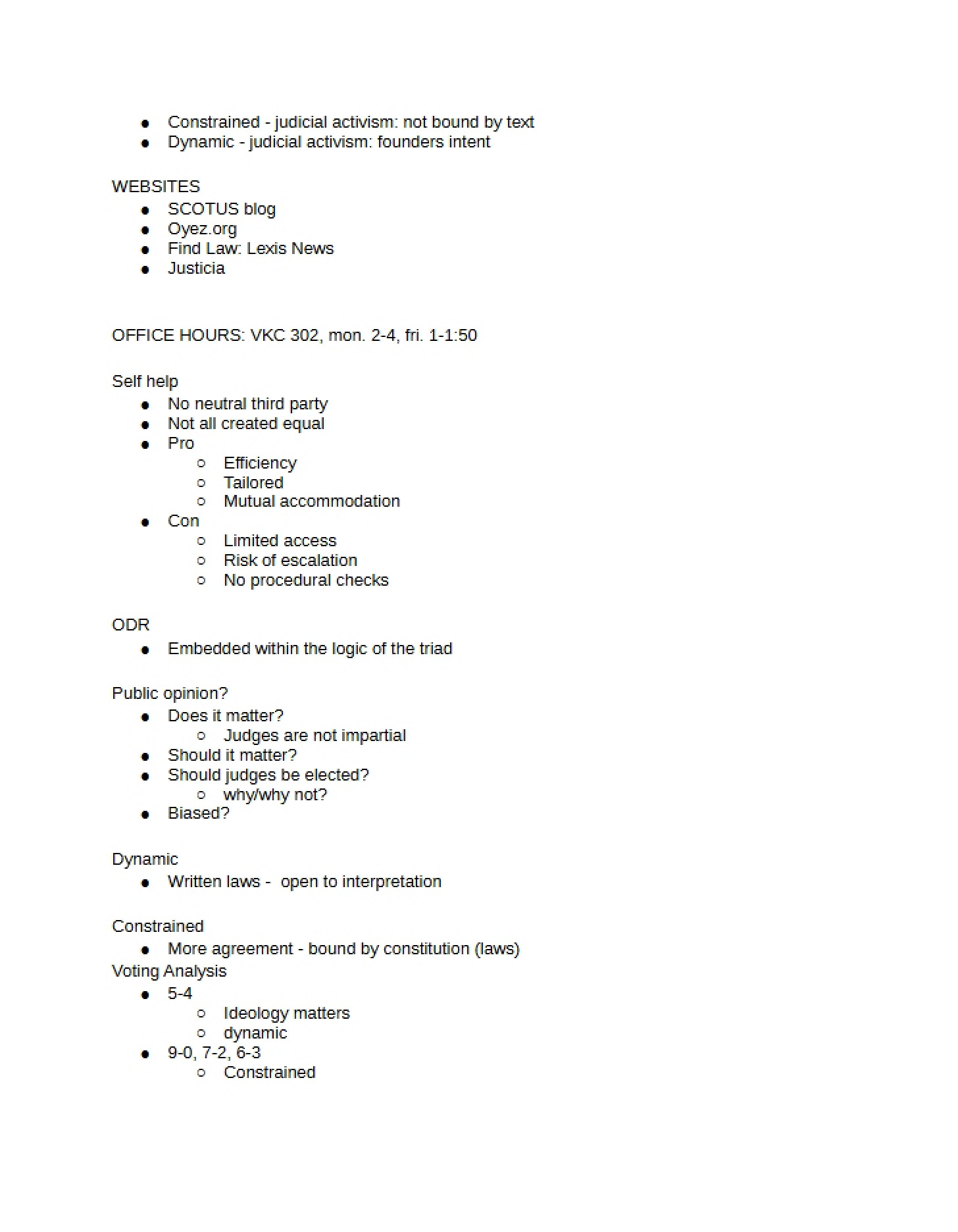
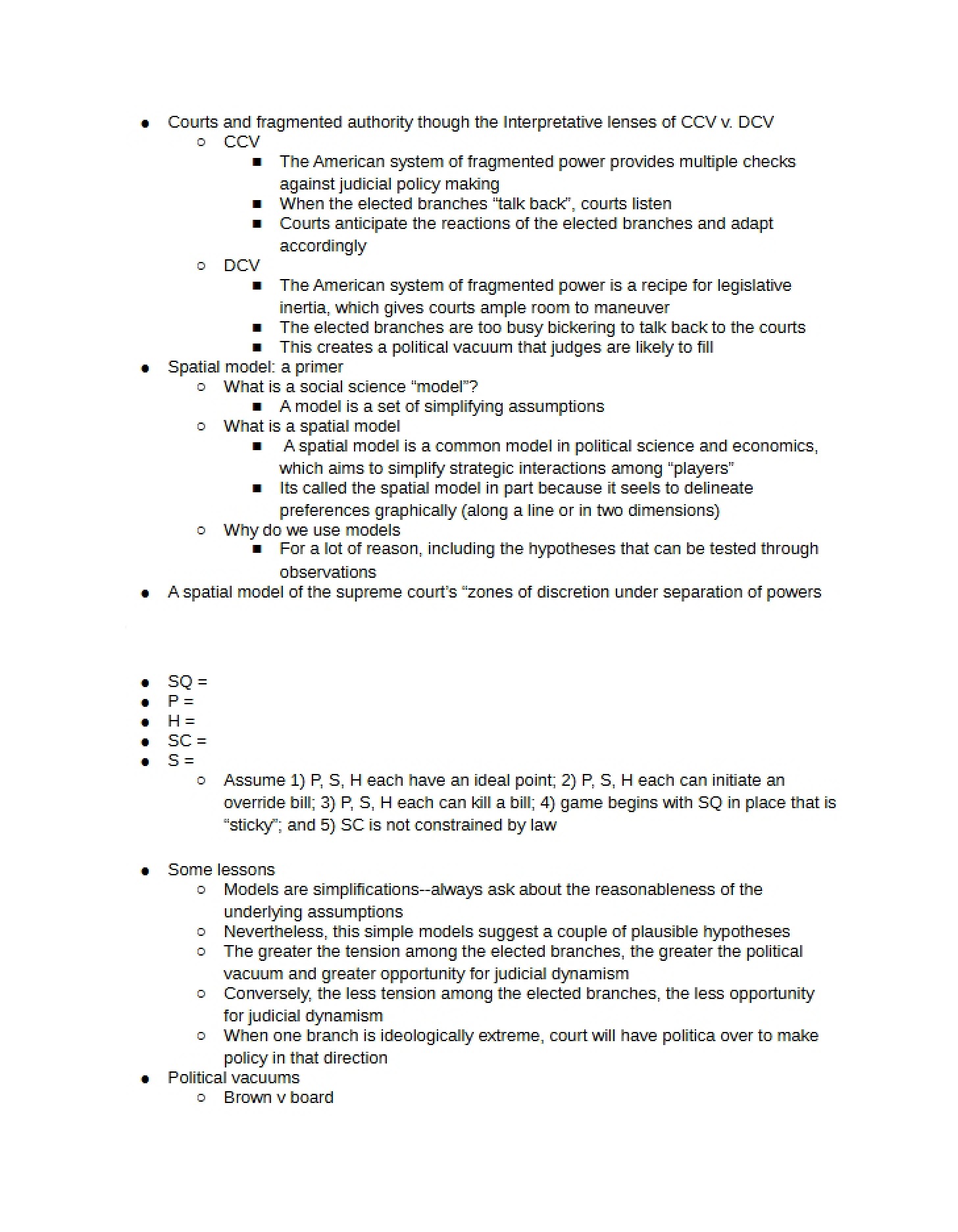
* An overview of the potential limitations on the power of law and courts.
* Categorization of constraints on courts – doctrinal, institutional, and cultural.
* Methods for assessing whether law truly functions as a constraint on judicial decision-making.
* Consideration of how judicial behavior reveals underlying constraints.
* A case study illustrating the interplay between political failures and the potential role of the courts.