What This Document Is
This material represents lecture notes from a University of Southern California Law, Politics, and Public Policy (POSC 130) course session held on January 12th. It delves into the foundational concepts surrounding law, courts, and their role within the broader political landscape. The core focus appears to be an exploration of the theoretical underpinnings of legal systems and judicial behavior, moving beyond simple definitions to examine the complexities of how law functions in practice. It introduces key thinkers and historical perspectives on the nature of law itself.
Why This Document Matters
Students enrolled in POSC 130, or those studying American politics, legal studies, or public policy, will find this resource particularly valuable. It’s ideal for reviewing material covered in class, preparing for discussions, and building a strong conceptual framework for understanding the relationship between law and political power. Those seeking to understand the inherent tensions and dynamics within the judicial system, and the factors influencing judicial decision-making, will benefit from engaging with the ideas presented. It’s best used *in conjunction* with course readings and lectures.
Common Limitations or Challenges
This material is a snapshot of a single class session and does not represent a comprehensive overview of the entire course. It does not offer definitive answers or solutions to complex legal and political questions, but rather presents a starting point for critical thinking and analysis. It will not provide case briefs, legal precedents, or detailed statutory analysis. Access to this material alone will not substitute for active participation in the course and completion of assigned readings.
What This Document Provides
* An examination of the core functions and limitations of law and courts.
* A survey of differing philosophical perspectives on the definition of “law.”
* An introduction to the concept of the “rule of law” and its practical application.
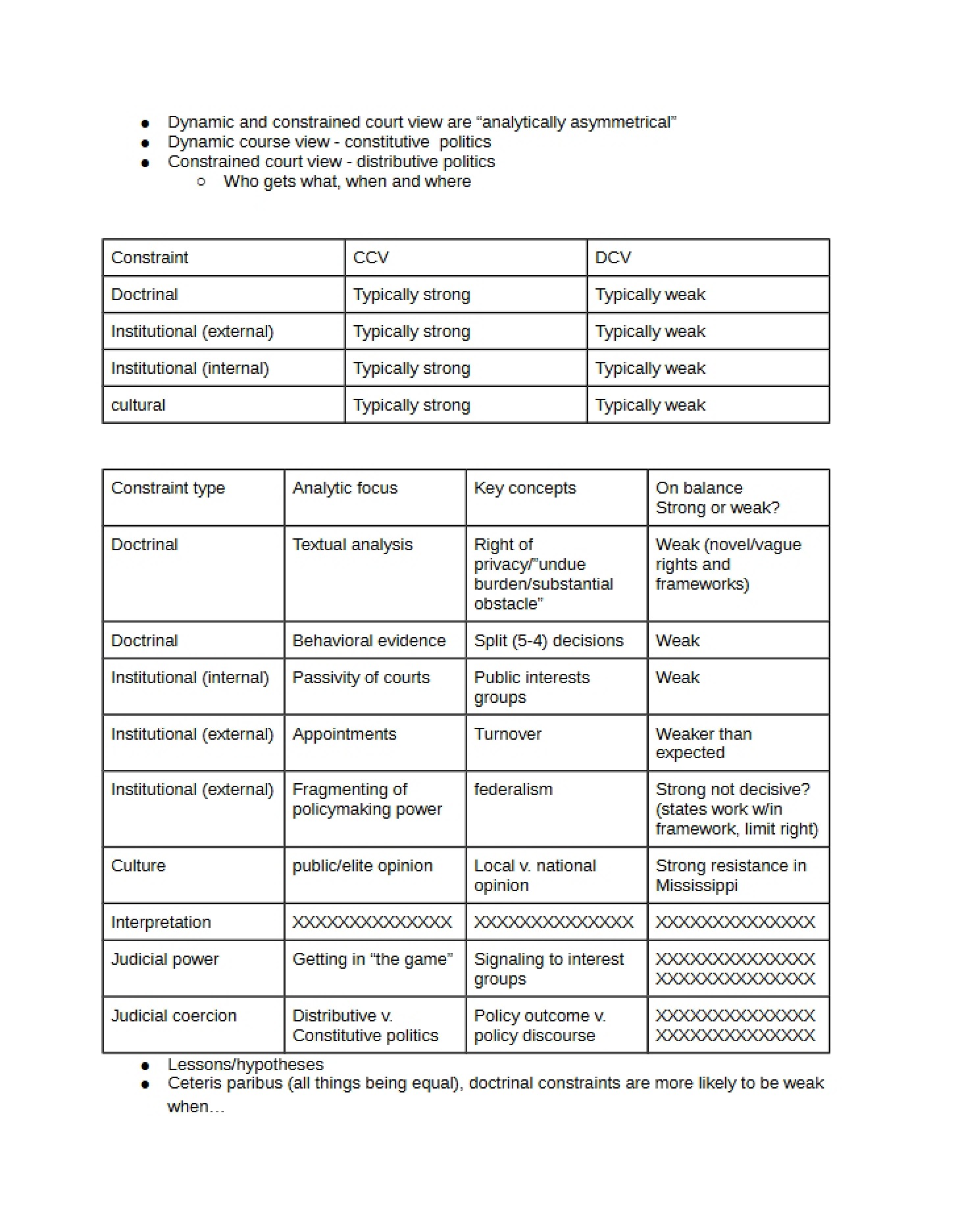
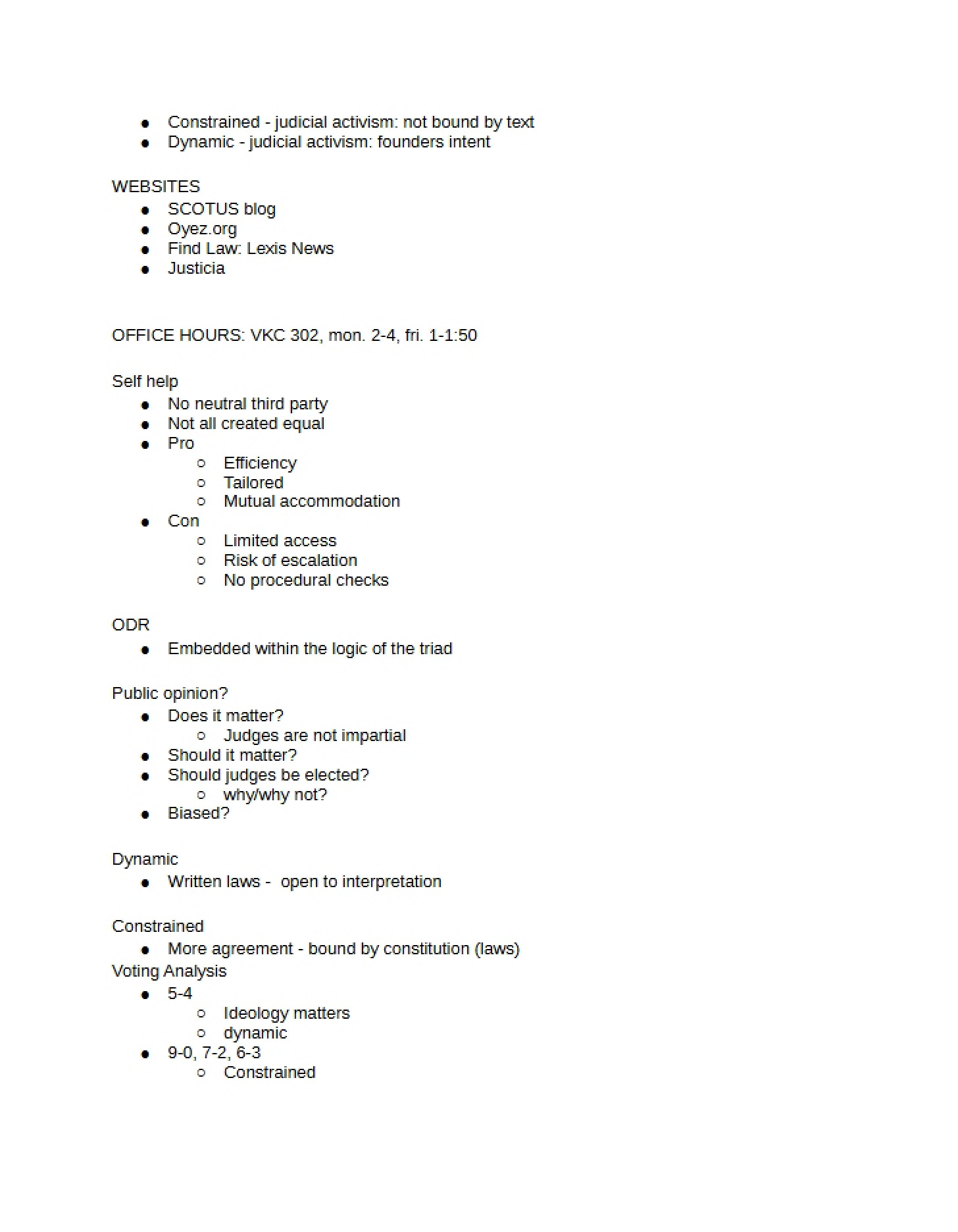
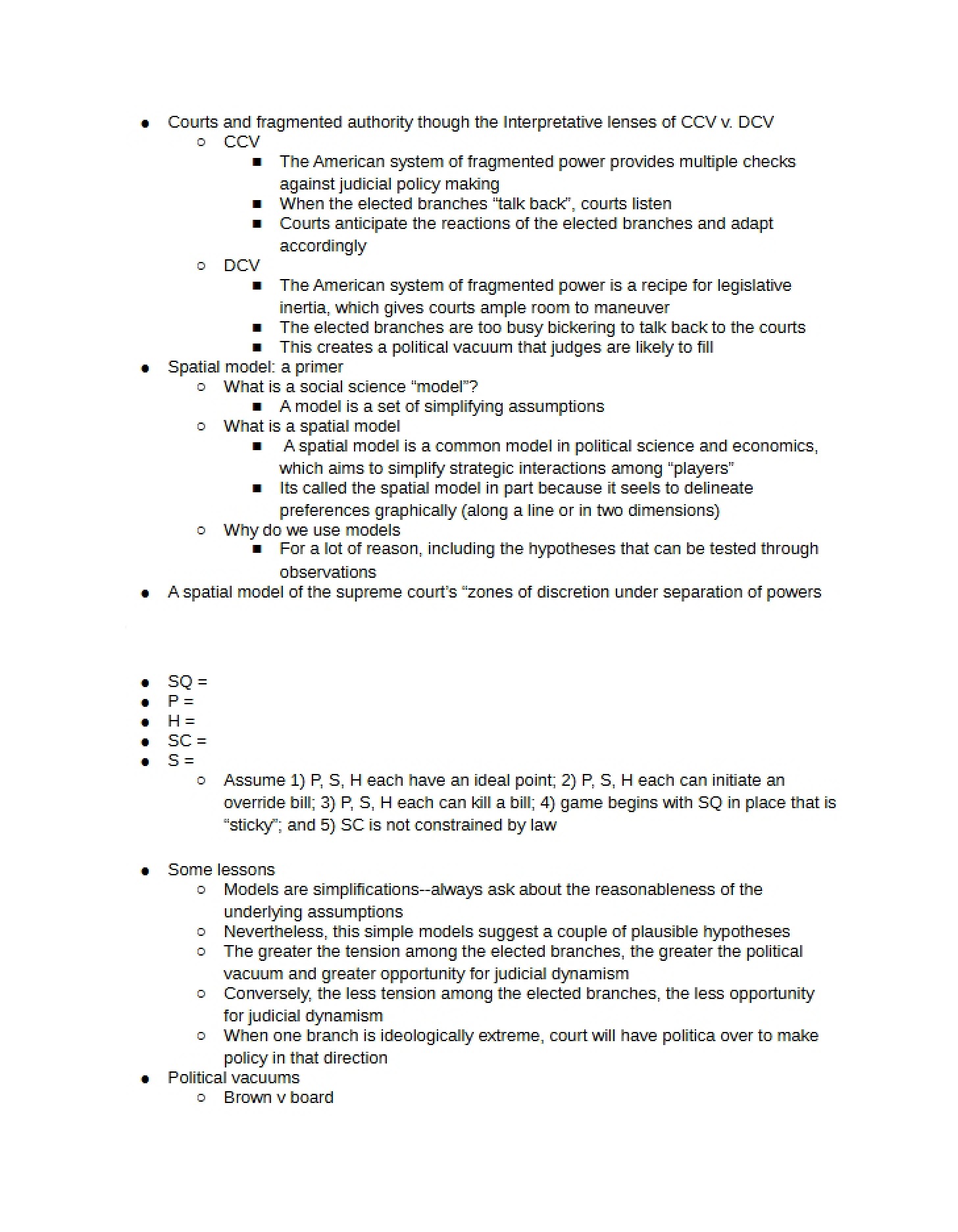
* A framework for analyzing the interactions between litigants and the court system – the “Logic of the Triad.”
* Discussion points relating to judicial philosophy and potential biases.
* Exploration of real-world examples to illustrate theoretical concepts.