What This Document Is
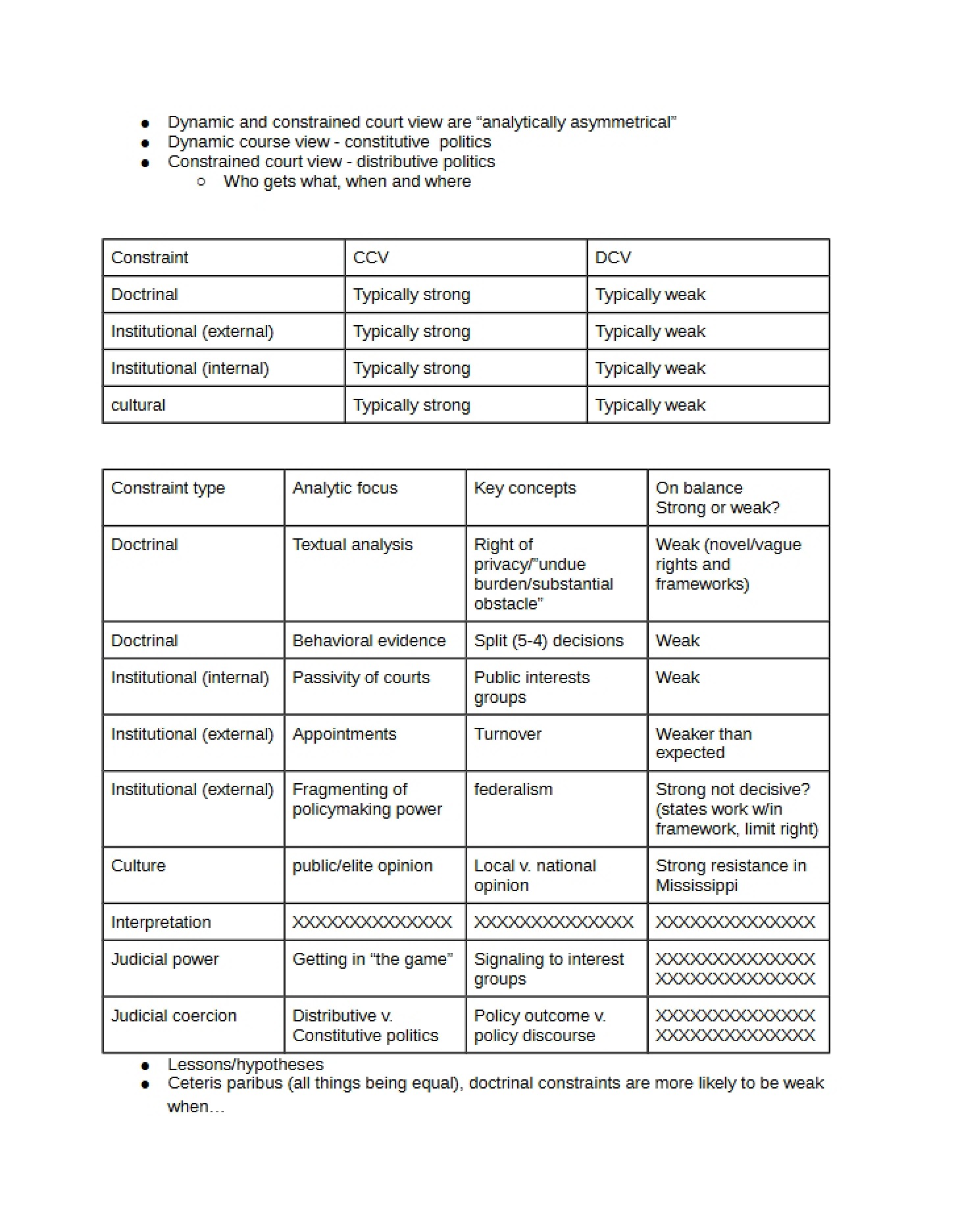
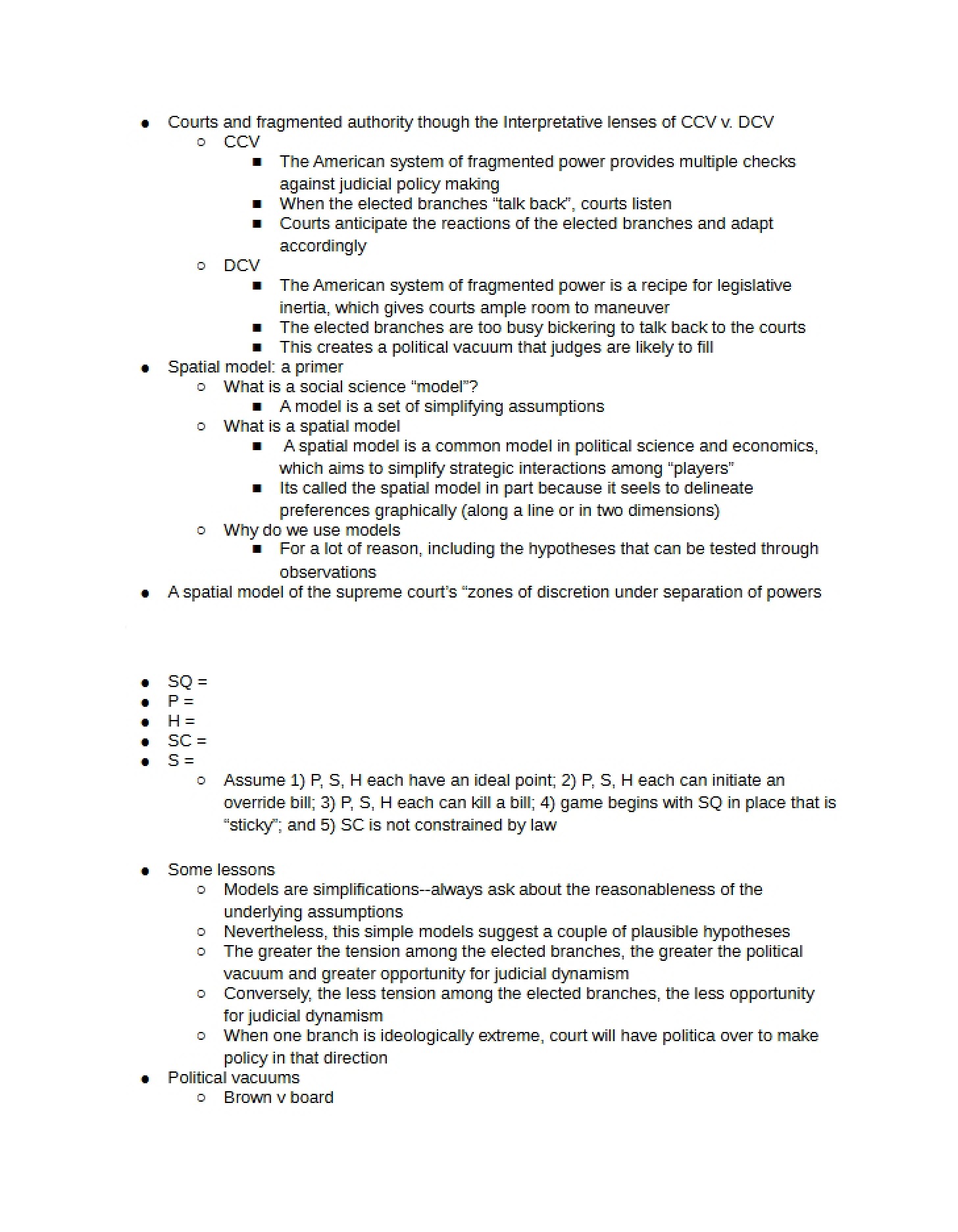
This material represents lecture notes from a University of Southern California Law, Politics, and Public Policy (POSC 130) course session held on January 17th. It delves into the foundational concepts surrounding law, dispute resolution, and the role of courts within a political context. The notes explore theoretical frameworks for understanding “the law” and examine the inherent complexities of orderly dispute resolution, moving beyond simple definitions to consider practical and political implications. It begins to lay the groundwork for analyzing the US legal system’s capacity to handle complex, high-stakes conflicts.
Why This Document Matters
Students enrolled in POSC 130, or those studying introductory law, political science, or public policy, will find these notes particularly valuable. They are best used as a companion to class attendance, aiding in comprehension and recall of key concepts. These notes are especially helpful when beginning to grapple with the theoretical underpinnings of legal and political systems and when preparing to analyze real-world case studies. Anyone seeking a deeper understanding of the relationship between law, politics, and power will benefit from exploring the ideas presented.
Common Limitations or Challenges
These notes are a record of a single lecture and do not constitute a comprehensive overview of the entire course. They are designed to *supplement* – not replace – required readings, class discussions, and independent study. The notes present a starting point for analysis and do not offer definitive answers or complete solutions to complex legal and political questions. Specific details of case analyses and the full scope of arguments presented in class are not fully captured here.
What This Document Provides
* An exploration of differing definitions of “law” and their implications.
* Discussion of the challenges inherent in theoretical frameworks and the need for self-reflection in research.
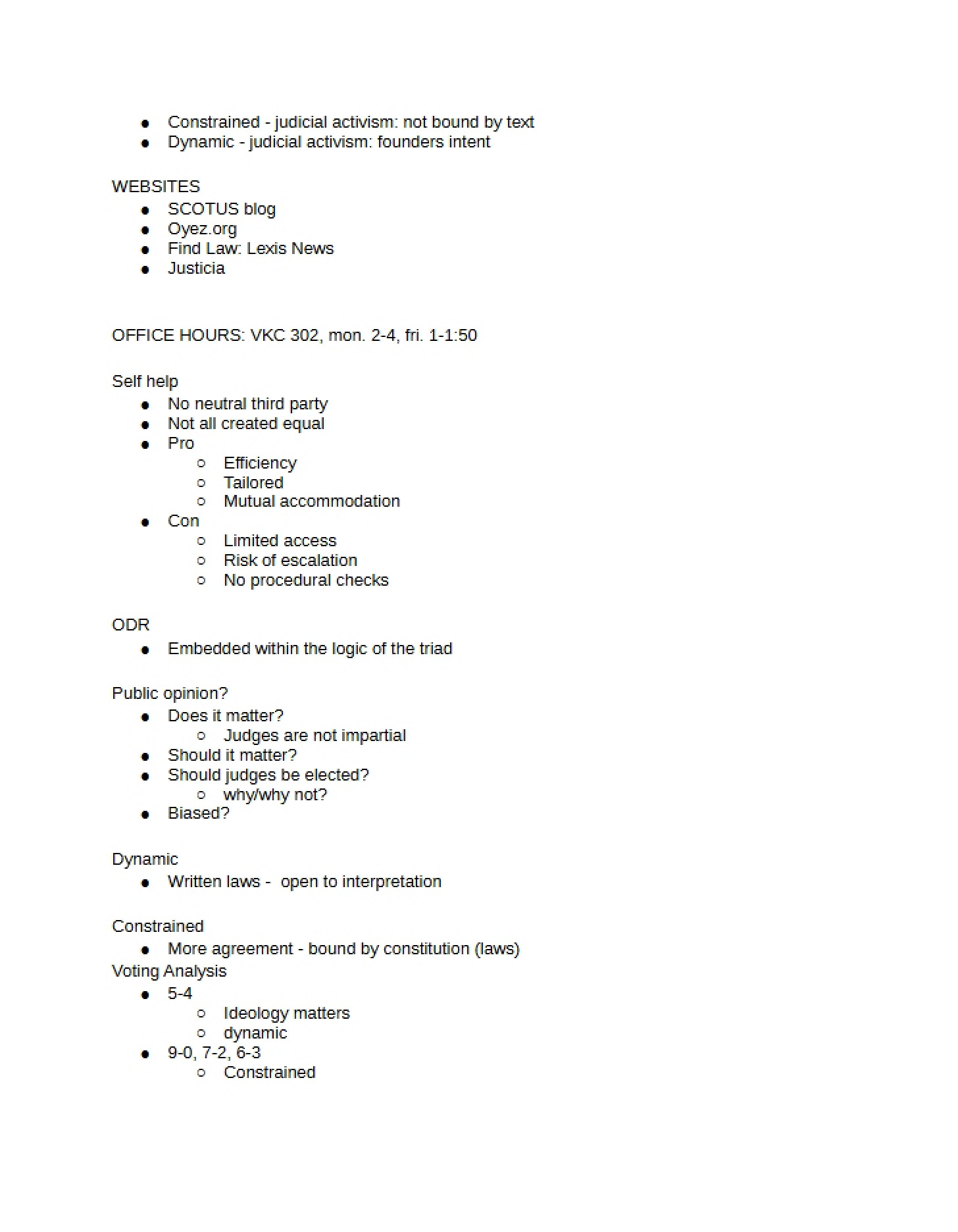
* Introduction to the “Logic of the Triad” as a model for understanding dispute resolution.
* Initial consideration of potential biases within the judicial system.
* A comparison of formal legal processes with alternative methods of dispute resolution.
* An overview of the scale of legal disputes within the US.
* Brief introductions to landmark cases for further study.